
Deciding between an ATEEZ regular album and a limited edition release is a common crossroads for collectors navigating the vibrant world of K-pop. The primary difference lies in the physical presentation, the rarity of the included collectibles, and the overall production volume, while the musical content on the disc remains identical. Regular editions are designed for accessibility, featuring standard packaging and a predictable set of inserts at a budget-friendly price point. In contrast, limited or special editions serve as premium collector’s items, boasting oversized packaging, exclusive merchandise, and restricted production runs that make them highly sought after.
Choosing the right version requires balancing your personal collecting goals, available shelf space, and budget. While a regular edition allows you to support the group and enjoy the physical media without breaking the bank, a limited edition offers a unique display piece that may not be repressed once sold out. Understanding these distinctions ensures you invest your hard-earned ₱ wisely, especially when managing a growing collection in a tropical climate where storage conditions require careful planning.
Core Differences Between Regular and Limited Editions
The physical distinctions between ATEEZ regular and limited edition albums are apparent from the moment you handle them. Regular editions typically utilize standard K-pop packaging formats, such as compact photobooks, digipaks, or jewel cases. These versions are designed for mass production and continuous distribution, meaning they are easily restocked by major retailers over time. The packaging is streamlined, lightweight, and uniform, making it easy to store multiple versions of the same era side by side on a standard bookshelf.
Products mentioned in this guide
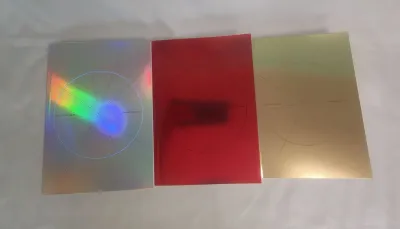

Prices are valid at publication and may change. Please refer to the product page for the latest price.
Limited or special editions, on the other hand, are designed to make a visual statement. They often feature premium packaging materials, such as thick cardboard box sets, magnetic closures, or oversized slipcases. The dimensions of these releases can vary wildly from the standard versions, sometimes resembling coffee table books or display boxes. Because these are produced in restricted quantities during the initial comeback window, they carry an inherent exclusivity that appeals to dedicated collectors who view physical albums as art pieces.
The collectible inclusions inside the packaging represent another major point of divergence. While both versions contain the essential photobook and music disc, the assortment of random inserts differs significantly. Regular editions generally include standard photocards, postcards, and sticker sheets. Limited editions elevate this experience by offering exclusive items such as lenticular cards, mini-posters, special booklets, or rare polaroids. In some special releases, the photobook itself features entirely different concept photos that cannot be found in the regular versions, providing a completely unique visual experience.
Finally, naming conventions and availability windows play a crucial role in how these albums are marketed. ATEEZ releases often feature multiple regular versions (such as A, DIARY, and Z versions) alongside a designated limited or special edition. You might also encounter “Platform” or “Poca” versions, which are ultra-compact, digital-focused releases containing QR codes instead of physical CDs. While regular and digital versions remain in print for months or even years, limited editions are typically restricted to a single production run, meaning once the initial stock is depleted, finding them at retail price becomes exceptionally difficult.
Comparing the Collecting Experience and Storage
Owning a physical music collection involves practical considerations that go beyond the initial excitement of unboxing. Limited editions, with their irregular shapes and heavier weights, present unique display challenges. A bulky box set can take up the space of three regular albums, quickly crowding your shelves if you collect multiple groups. If your display space is limited, a collection consisting primarily of uniform regular editions is much easier to organize, stack, and maintain over time.

The unboxing experience of a limited edition is undeniably thrilling, but it also demands a higher level of care. Premium packaging often features delicate materials, such as matte finishes that easily attract fingerprints, or foil stamping that can flake if handled roughly. To preserve the value and condition of these items, collectors must invest in protective measures. This includes using acid-free plastic sleeves for the outer album covers and placing rare photocards immediately into archival-grade toploaders or dedicated binder sleeves to prevent scratching and bending.
Long-term preservation is a critical factor, particularly in tropical environments like the Philippines, where high humidity and ambient heat pose constant threats to paper goods. Excess moisture in the air can cause photobook pages to warp, stick together, or develop mold over time. To safeguard your investment, store your albums in a well-ventilated room away from direct sunlight, which can fade the vibrant colors of the packaging. Utilizing sealed plastic storage bins with reusable silica gel packs is an effective way to control humidity levels and keep your exclusive collectibles in pristine condition.
Furthermore, the weight of larger limited editions can put a strain on standard shelving. If you plan to display several heavy box sets, ensure your shelves are sturdy and securely anchored. Regular editions, being lighter and more compact, distribute weight more evenly and are less likely to cause wooden shelves to sag. Balancing your collection with a mix of both formats can help manage physical space while still allowing you to showcase a few standout, high-value display pieces.
ATEEZ Album Version Comparison Matrix
| Feature | Regular Edition | Limited/Special Edition |
|---|---|---|
| Packaging Type | Standard photobooks, digipaks, or jewel cases | Premium box sets, oversized slipcases, or unique materials |
| Collectible Inclusions | Standard photocards, postcards, and stickers | Exclusive lenticulars, polaroids, mini-posters, or special booklets |
| Storage Space Needed | Minimal; uniform dimensions make stacking easy | Substantial; irregular shapes and heavier weights |
| Primary Appeal | Budget-friendly, easy to collect multiple versions | High display value, exclusive concepts, and rarity |
| Verification Focus | Confirming specific version (e.g., A, DIARY, Z) | Verifying completeness of rare inserts and seal integrity |
How to Decide Which ATEEZ Album to Buy
Choosing the right ATEEZ album version comes down to defining your priorities as a fan and collector. If your primary goal is to support the group’s chart performance, enjoy the physical disc, and collect a few standard photocards, the Regular Edition is the most logical choice. This option is highly budget-friendly, allowing you to allocate your ₱ toward other fan experiences, such as concert tickets, official lightsticks, or streaming memberships. It is also the ideal route if you have limited shelf space and prefer a clean, uniform look for your physical library.
If you view your collection as a curated gallery and appreciate high-end packaging design, the Limited Edition is well worth the investment. These versions are designed to be showcased on your shelves, serving as conversation starters and central display pieces. The premium unboxing experience and the inclusion of rare, version-specific collectibles provide a sense of exclusivity that regular editions cannot match. However, you should only opt for this version if you have the dedicated space to store it safely and are willing to take extra precautions to protect it from environmental wear.
Before making a purchase, it is essential to verify whether the specific comeback era you are interested in actually features a designated limited version. K-pop release strategies are dynamic, and the terminology used by entertainment agencies can change from one comeback to the next. Some eras may skip a traditional physical limited box set entirely, opting instead for special digital platform versions or limited-run vinyl records. Researching the official album details released by the group’s agency prior to the preorder period will help you avoid confusion and plan your budget accordingly.
Additionally, consider your long-term collecting habits. If you are a completionist who aims to own every single photocard of your favorite member, regular editions are often more practical because they are easier to trade within the fan community. Because limited editions have smaller print runs, trading their exclusive inserts can be highly competitive and expensive. Deciding whether you want to focus on a complete photocard collection or a curated selection of unique physical packages will guide you toward the version that brings you the most satisfaction.
Smart Buying and Verification Checklist
To ensure you receive a genuine, complete product and avoid the disappointment of counterfeit items or missing inclusions, follow this practical verification checklist before finalizing your purchase:
- Cross-Reference Official Previews: Before buying, consult the official album details, concept photos, and tracklist announcements posted on the group's official social media channels. This helps you confirm exactly what items (and how many photocards) should be included in the specific version you are purchasing.
- Buy from Authorized Retailers: Purchase your albums from established K-pop specialty stores or certified retailers that contribute directly to official music charts like Hanteo and Circle. Avoid unverified third-party sellers on general online marketplaces, as they may sell unsealed albums with the valuable photocards removed.
- Inspect the Seal and KOMCA Sticker: Upon delivery, check that the plastic shrink-wrap is completely intact. Look for the official KOMCA (Korea Music Copyright Association) reflective sticker on the back of the album. This sticker is a primary indicator of authenticity and features a holographic pattern that is difficult to replicate.
- Verify Barcodes and Catalog Numbers: Check the barcode and catalog number printed on the packaging. You can cross-reference these numbers online to ensure the physical item matches the exact edition and version you ordered, preventing mix-ups with regular and limited stock.
- Record an Unboxing Video: Always film a continuous, unedited video of yourself opening the shipping package and unboxing the album for the first time. This serves as undeniable proof of any missing inclusions or transit damage, which is crucial when requesting a replacement or refund from the retailer.
Frequently Asked Questions (FAQ)
Do limited edition ATEEZ albums include different music tracks?
No, the audio content on the physical disc is almost always identical to the regular editions of the same album. The differences between the versions are strictly physical, focusing on the packaging design, photobook concepts, and the exclusivity of the collectible inserts. You will not miss out on any songs, instrumentals, or hidden tracks by choosing a regular edition over a limited one.
How can I track restocks for sold-out limited editions?
Because limited editions are produced in restricted quantities, official restocks from the manufacturer are rare once the initial print run sells out. To find remaining stock, monitor the social media accounts of authorized local K-pop shops, sign up for email notifications on official brand stores, and check trusted collector communities. Be cautious of scalpers on general e-commerce platforms who inflate prices in ₱, and always verify the seller’s reputation before purchasing a secondhand copy.

Community discussion
Share your experience or ask a question. Comments are reviewed before publication.