
Choosing your first set of cymbals is a major milestone in your drumming journey. If you are looking for an affordable way to upgrade from the cheap, tinny brass discs that often come with entry-level drum kits, Arborea cymbals present a highly practical option. This brand has gained traction among beginners and intermediate players for offering genuine bronze alloys at a fraction of the cost of legacy Western brands.
For new drummers, the decision to invest in Arborea comes down to balancing cost with sound quality and structural durability. While they may not deliver the highly polished, consistent tonal profiles of high-end professional lines, they provide a resonant, musical experience that far exceeds basic brass. They are particularly well-suited for home practice, garage rehearsals, and small local gigs where budget efficiency is the primary driver.
However, navigating an entry-level brand requires a clear understanding of what you are buying. Because budget-friendly manufacturers often produce a wide variety of series using different metals, you must know how to read their specifications. By understanding the trade-offs in tone and build quality, you can make an informed decision that supports your development without draining your savings.
Products mentioned in this guide
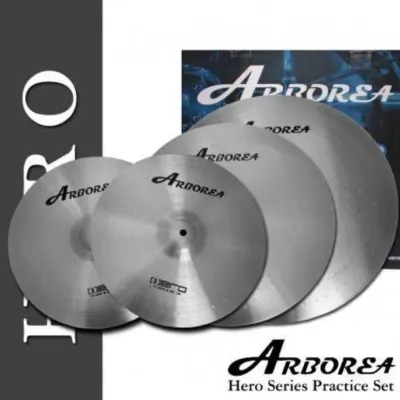

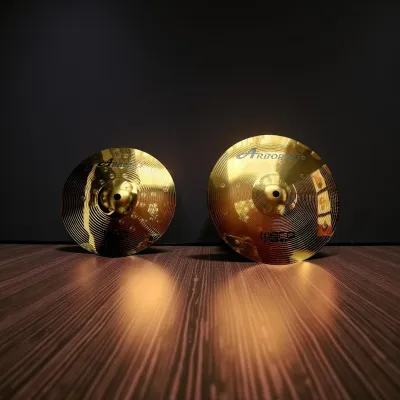
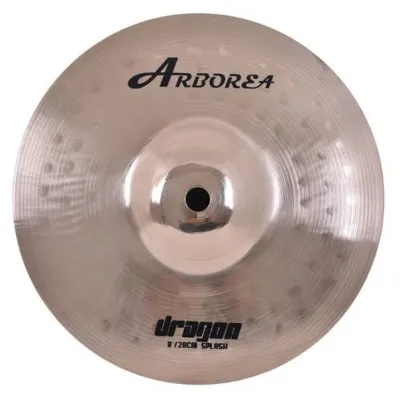
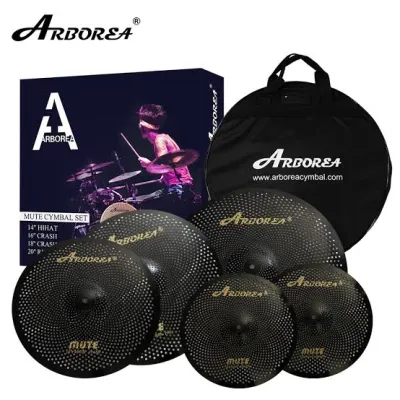
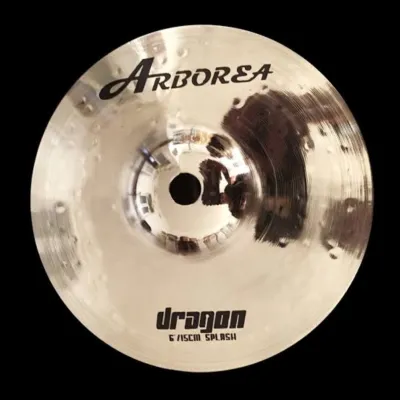
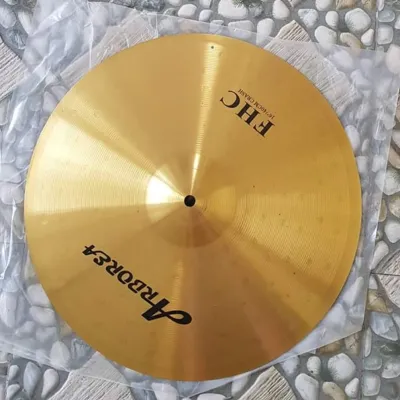
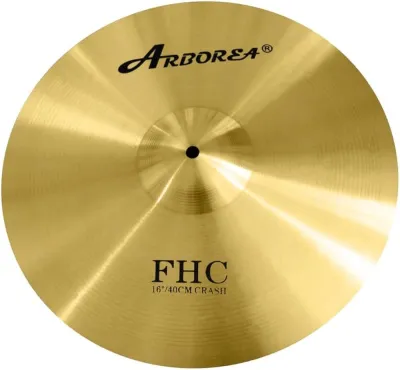
Prices are valid at publication and may change. Please refer to the product page for the latest price.
Core Requirements for a Beginner's First Cymbal Set
Before evaluating any specific brand, you must understand what makes a cymbal suitable for a beginner. The physical demands of learning the drums place unique stress on your equipment. New drummers are still developing their muscle memory, stick control, and striking angles, which means their first set of cymbals must be highly forgiving.
Durability is the most critical factor during this learning phase. Beginners frequently strike cymbals with excessive force or at improper angles, such as hitting directly into the edge rather than using a glancing blow. A fragile or overly thin cymbal will quickly crack under these conditions. Consequently, a beginner needs a robust alloy that can absorb inconsistent impacts while you refine your physical technique.
Sound characteristics also play a vital role in your practice environment. In the Philippines, many drum kits are set up in residential spaces, concrete-walled garages, or small bedrooms. These environments tend to amplify harsh, high-frequency tones, making cheap brass cymbals sound painfully bright and abrasive. A good beginner cymbal should offer a warmer, more controlled frequency response that does not cause immediate ear fatigue during long practice sessions.
Finally, smart budget allocation is essential when building your first setup. Instead of buying a massive array of specialty effects cymbals, you should focus your resources on the core components of the drum kit. A standard setup requires a reliable pair of hi-hats, a versatile crash, and a clear ride cymbal. Balancing your budget in ₱ across these three essential pieces ensures you get the best possible quality where it matters most.
Evaluating Arborea Cymbals for Sound and Durability
To determine if Arborea cymbals are right for your kit, you must look closely at how they are made. The brand offers several distinct product lines, and their performance depends heavily on the raw materials and manufacturing methods used for each series.

Checking the Alloy Specifications
When browsing Arborea’s catalog, your first step is to identify the metal alloy used in the specific series you are considering. This information is typically found in the product specifications on the manufacturer’s website or authorized retailer listings.
- Brass Alloys: These are the most affordable but offer the lowest sound quality. They produce a dull, quiet wash with very little sustain and are only recommended for absolute beginners on an extremely tight budget.
- B8 Bronze (92% Copper, 8% Tin): This alloy is bright, focused, and highly durable. B8 cymbals cut through loud music easily and are excellent for rock or pop practice because they resist cracking under heavy hitting.
- B20 Bronze (80% Copper, 20% Tin): Traditionally reserved for premium professional cymbals, B20 is a softer, more complex alloy. It delivers a warmer, darker tone with rich overtones. Arborea is unique because they offer B20 options at prices comparable to other brands' entry-level B8 lines.
Weight Profiles and Lathing Patterns
The physical shape and finish of the cymbal dictate how it responds to your drumstick. Thicker, heavier cymbals offer higher volume and a brighter pitch, but they require a stronger strike to open up and can feel stiff to play. Thinner cymbals speak quickly at lower volumes and are more flexible, which actually helps prevent cracks by absorbing the energy of your strike.
You should also examine the lathing patterns—the circular grooves cut into the surface of the metal. Deep, consistent lathing helps disperse sound waves, resulting in a smoother wash and a more controlled decay. Some of Arborea’s budget lines feature raw, unlathed bells or heavily hammered surfaces, which dry out the sound and reduce unwanted ring, making them easier to control in small practice rooms.
Recognizing Tonal Limitations
While Arborea’s bronze options sound significantly better than standard brass, they do have limitations. Budget-friendly bronze cymbals can sometimes exhibit inconsistent overtones or a slightly metallic “clang” in the decay. They may also lack the extreme projection and dynamic sensitivity required for large, unmic’ed concert venues. For daily practice and local band rehearsals, however, these minor tonal imperfections are rarely a distraction.
Building Your First Arborea Cymbal Setup
Creating a balanced setup requires selecting the right sizes and weights to complement your drum kit. A mismatched set can make your playing sound disjointed, so it is best to choose sizes that offer a natural progression of pitch.
Recommended Size Ranges
For a versatile beginner setup that can handle everything from rock to jazz, aim for the standard industry sizes. These dimensions provide a familiar physical layout and a balanced acoustic response:
- Hi-Hats (14-inch): This size offers the ideal balance of a crisp "chick" sound when closed and a controllable wash when played semi-open.
- Crash Cymbal (16-inch): A 16-inch crash speaks quickly and decays fast enough that it does not overwhelm your drum fills.
- Ride Cymbal (20-inch): A 20-inch ride provides a clear, distinct stick definition on the bow and a cutting, musical tone when you strike the bell.
Prioritizing Your Budget in ₱
If you cannot afford a complete matched set all at once, prioritize your purchases based on how often you strike each instrument. You will play your hi-hats and ride cymbal constantly to keep time, while the crash is used occasionally for accents. Therefore, you should allocate a larger portion of your budget in ₱ to a high-quality pair of bronze hi-hats and a solid ride cymbal first, then add a budget-friendly crash later.
Matching to Your Drum Kit Type
Consider whether you are playing an acoustic or an electronic drum kit. If you are using an acoustic kit in a highly resonant room, look for Arborea’s low-volume or muted cymbal series, which feature perforated holes across the surface to reduce volume by up to 70% while maintaining a real metal feel. If you are using a hybrid setup, ensure your cymbal stands are sturdy enough to support the weight of traditional bronze models.
Purchasing Guide and Pre-Play Inspection Checklist
Because budget musical instruments are imported, you must take extra care when purchasing and receiving your gear. Buying from the right sources and conducting a thorough physical inspection will protect your investment.
Verifying Authorized Sources
To avoid counterfeit products or damaged factory seconds, purchase your cymbals through authorized local music distributors in the Philippines or reputable online music stores. Avoid buying from unverified third-party sellers on general ecommerce platforms who cannot provide a clear manufacturer warranty. Legitimate dealers will offer a return policy and can assist you if you receive a defective item.
Visual and Physical Inspection Checklist
As soon as your cymbals arrive, unbox them carefully and perform the following checks before you strike them with a drumstick:
- Edge Smoothness: Run your finger gently along the entire outer edge of the cymbal. Feel for any tiny notches, rough burrs, or micro-cracks. Even a microscopic nick on the edge can quickly expand into a major crack once you start playing.
- Center Hole Integrity: Inspect the mounting hole in the center of the bell. It should be perfectly round and smooth. Any oval shaping, rough drilling marks, or sharp metal burrs can cause keyholing—a defect where the hole wears sideways, ruining the cymbal's balance.
- Surface Flatness: Place the cymbal flat on a completely level table. It should sit evenly without wobbling. A warped cymbal will not vibrate correctly and is highly prone to premature cracking.
- The Flex Test: Gently press down on the edges of the cymbal to check its flexibility. A healthy bronze cymbal should have a slight, springy give without feeling brittle or making any clicking sounds.
Understanding Warranties and Returns
Always read the retailer’s return policy regarding musical instruments. Most standard warranties cover manufacturing defects, such as structural cracks that develop along the lathing lines within the first few months. However, warranties almost never cover damage caused by improper striking technique, dropping the cymbal, or using incorrect cleaning chemicals. Keep your original receipt and packaging in a dry place in case you need to make a claim.
Frequently Asked Questions (FAQ)
How long do entry-level cymbals typically last?
An entry-level bronze cymbal can last for several years if played with proper technique. The primary factor in cymbal longevity is how you strike it; using a glancing blow across the edge rather than hitting directly down prevents the metal from absorbing too much direct shock. If you play with excessive force or mount your cymbals too tightly on their stands without protective plastic sleeves, even high-quality alloys can crack within a few months.
Can I mix Arborea cymbals with other brands on my kit?
Yes, you can absolutely mix and match different cymbal brands on a single drum kit. There are no rules preventing you from using Arborea hi-hats alongside a crash or ride from another manufacturer. However, you should pay attention to the tonal balance. Mixing a very bright, high-pitched brass cymbal with a dark, warm B20 bronze cymbal can sound jarring, so try to match the general alloy types or weight profiles to ensure a cohesive sound.
What is the best way to clean and maintain new cymbals?
To protect your cymbals from the high humidity and sweat common in the Philippines, wipe them down with a dry microfiber cloth after every practice session. Avoid using harsh household chemical cleaners, abrasive scrubs, or steel wool, as these will strip away the manufacturer’s protective lacquer coating and logos. If you need to clean off dirt, use a mild dish soap diluted in warm water, rinse thoroughly, and dry the metal completely before storing the cymbals in a padded bag.
Community discussion
Share your experience or ask a question. Comments are reviewed before publication.