
Deciding which version of the AHOF album to add to your collection is an exciting milestone. Whether you are drawn to the stunning visual concepts, the physical collectibles, or simply want a high-quality way to support your favorite artists, choosing the right edition requires balancing your budget with your collecting goals. With multiple physical and digital formats often available, understanding what comes inside each package ensures you get the exact experience you want without overspending.
Quick Answer: Which AHOF Album Version Fits Your Fan Goals?
To make the best decision, it helps to identify your primary motivation as a collector. Fans generally fall into three distinct categories, each matching a specific tier of the AHOF album. By aligning your budget and space with these profiles, you can narrow down your choices immediately.
The Dedicated Collector is someone who values physical memorabilia, exclusive merchandise, and complete sets. If you love displaying photobooks on your shelf, trading photocards, and owning a piece of music history, the Deluxe or Limited Edition is your best match. These premium tiers offer the highest volume of physical inclusions, unique packaging, and rare collectibles that are highly sought after in the fan community.
Products mentioned in this guide
![AHOF - 3th Mini Album [ RUN TO YOU ] PHOTOBOOK ver](https://img.lazcdn.com/g/ff/kf/Sa5a287f43d2e4034a13273831f134135h.jpg_400x400q80.jpg_.webp)
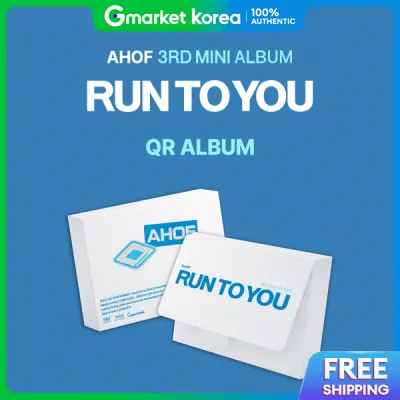
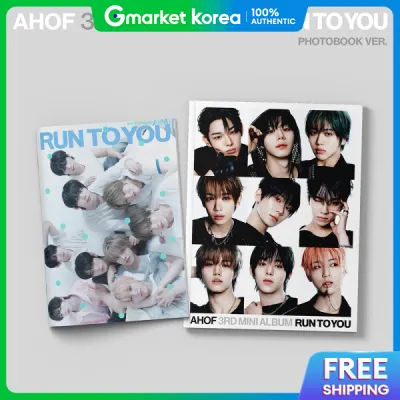
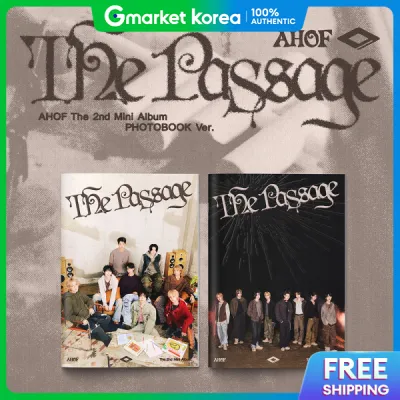
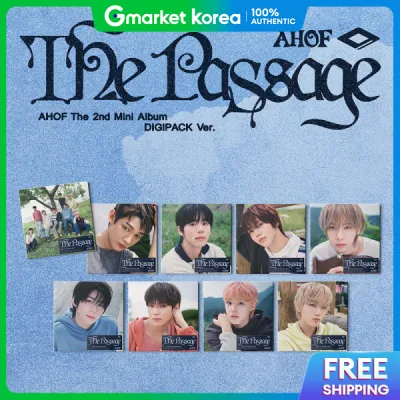
Prices are valid at publication and may change. Please refer to the product page for the latest price.
The Casual Listener appreciates having a physical copy of the music but does not feel the need to collect every single photocard variation or exclusive poster. For this group, the Standard Edition provides the perfect balance. It delivers the core physical experience—usually including the CD, a high-quality photobook, and a select few randomized inserts—at a moderate price point that fits comfortably within a standard entertainment budget.
The Budget-Conscious Fan or digital-first listener wants to support the artist’s chart performance and access the music legally but has limited physical storage space or a strict spending limit. If this sounds like you, the Digital or Kit Album version is the ideal choice. These versions typically replace the bulky CD and large photobook with a compact, tech-friendly format, offering digital access to the tracks and a smaller, curated selection of physical cards at a fraction of the cost.
Ultimately, the primary trade-off when choosing an album tier is between price and physical inclusions. While a premium edition offers a treasure trove of visual content, it requires a larger financial investment and more physical storage space. Standard and digital versions keep your collection lean and affordable while still ensuring your support directly contributes to the artist’s success.
Breaking Down the AHOF Album Inclusions
Before diving into specific editions, it is essential to understand the typical anatomy of a modern physical album. Physical releases are no longer just about the music; they are carefully curated art pieces designed to offer a multi-sensory experience. Knowing what categories of items to expect helps you evaluate whether a particular version is worth your investment.

Most physical albums contain three main categories of inclusions: the media format (such as a CD or digital code), the visual print material (photobooks and posters), and the randomized collectibles (photocards, postcards, and stickers). Because exact contents can vary between production runs, always verify the official tracklist and look for verified unboxing videos from trusted fan creators to see the physical scale and quality of the items before finalizing your purchase.
Standard vs. Deluxe Editions
The choice between a Standard and a Deluxe edition of the AHOF album often comes down to how much you value premium packaging and exclusive merchandise. Standard editions are designed for wide distribution, featuring lightweight cardboard slipcases or jewel cases that fit easily on standard bookshelves. They contain the essential photobook and a standard set of randomized photocards, making them an accessible entry point for most fans.
In contrast, Deluxe editions elevate the unboxing experience with heavy-duty box packaging, larger physical dimensions, and superior paper stock for the photobook. These premium sets often include exclusive merchandise not found in the standard version, such as mini-posters, lyric booklets, fabric patches, or even wearable items. The visual concepts in deluxe versions are frequently distinct, offering a completely different aesthetic theme from the standard release.
In the Philippines, this upgrade comes with a noticeable price premium. While a Standard edition might range from ₱900 to ₱1,400, a Deluxe edition can easily cost between ₱2,000 and ₱3,500 depending on the complexity of the packaging and shipping logistics. For casual fans, the standard version is usually more than enough to satisfy the desire for a physical keepsake. However, if you plan to display the album prominently or highly value the exclusive visual concepts, the deluxe version’s premium materials and extra collectibles can justify the higher cost.
Platform-Exclusive and Limited Versions
Beyond the standard retail editions, you will often encounter platform-exclusive versions and limited-run pressings of the AHOF album. Major online marketplaces, official brand stores, and international music retailers frequently partner with publishers to offer unique incentives. These are designed to encourage pre-orders and can make choosing where to buy just as important as choosing which version to buy.
Platform-exclusive versions typically feature unique pre-order benefits (POBs), such as exclusive holographic photocards, alternate cover sleeves, or special poster designs that are only distributed through that specific retailer. These items are printed in limited quantities and are highly prized by collectors. If you have a specific visual concept or a favorite group member you want to collect, researching which platform offers your preferred POB is a crucial step before placing an order.
Limited-run versions, on the other hand, are pressed only once and are not restocked after the initial production run sells out. While these editions offer the ultimate sense of exclusivity, they carry a high risk of FOMO (fear of missing out). If you do not secure a limited edition during the pre-order window, you may have to rely on the secondary market. In the Philippines, secondary market markups for out-of-print limited editions can double or triple the original retail price, making early verification and timely ordering essential.
How to Compare AHOF Album Versions Before You Buy
With multiple versions, platform exclusives, and price points to consider, making a final decision can feel overwhelming. To avoid buyer’s remorse, it is helpful to use a structured evaluation framework. By analyzing your options through the lenses of budget, logistics, and physical condition, you can make a smart, satisfying purchase.
Budget vs. Value
The first step is to calculate the actual value of what you are paying for. A simple way to do this is by determining the cost per inclusion. Take the total price of the album (including local shipping) and divide it by the number of physical items you actually care about. If a Deluxe edition costs ₱2,500 but contains ten items you love, the cost per item is ₱250. If a Standard edition costs ₱1,200 but only contains two items you want, the cost per item jumps to ₱600.
Setting a strict spending limit before you start browsing prevents emotional overspending during high-hype release periods. Remember that your collection should bring you joy, not financial stress. If the premium version exceeds your budget, consider buying the standard version and purchasing individual exclusive photocards later from trusted local sellers who split albums.
Shipping and Logistics
For fans in the Philippines, shipping and logistics can significantly impact the final cost of your album. International shipping fees from overseas entertainment hubs can sometimes equal or exceed the price of the album itself. When comparing versions, always factor in these hidden costs, along with potential customs duties and local delivery fees.
To mitigate these expenses, many local fans participate in group orders (GOs) organized by reputable fanbases or local shops. Group orders allow buyers to split international shipping costs, making premium or heavy deluxe editions much more affordable. However, group orders require patience, as shipping via sea cargo can take several weeks or months to arrive in the Philippines compared to faster but more expensive air cargo options.
Condition and Sealing
The physical condition of your album is paramount, especially if you plan to keep it as a long-term collectible. When purchasing from third-party sellers or local resellers, always verify that the album is factory-sealed in its original plastic wrap. A broken seal often means the randomized inclusions—such as the highly coveted photocards—have been sorted or removed.
Additionally, consider the impact of the local climate on your physical media. The high humidity and tropical temperatures in the Philippines can cause photobook pages to warp, stick together, or develop mold over time. When evaluating packaging types, look for sturdy, enclosed boxes that offer better protection against moisture. Once your album arrives, store it in a cool, dry place away from direct sunlight, and consider placing silica gel packets inside your storage shelves to absorb excess humidity.
Where to Buy and How to Verify Authentic AHOF Merch
To ensure your money directly supports the artists and that you receive genuine, high-quality products, you must be selective about where you shop. The market for music merchandise is flooded with counterfeit items, making verification a vital skill for every collector.
Always prioritize purchasing from official brand websites, authorized local music distributors, or verified flagship stores on reputable e-commerce platforms. These sellers source their inventory directly from the publishers, ensuring that your purchase is counted toward official music charts. Many authorized local shops in the Philippines have physical storefronts in major malls, allowing you to inspect the album’s condition in person before buying.
When shopping online, especially on secondary marketplaces, watch out for red flags that indicate counterfeit merchandise. Fake albums often exhibit blurry or low-resolution printing on the cover, thin or flimsy paper stock in the photobook, and incorrect barcodes. Authentic albums typically feature official holographic authentication stickers on the back cover; these stickers reflect light in a specific pattern and are difficult for counterfeiters to replicate. If a deal seems too good to be true—such as a deluxe album priced significantly lower than the standard retail rate—it is highly likely to be a counterfeit or an unsealed copy missing its inclusions.
Finally, protect yourself against shipping mishaps by practicing safe unboxing habits. Whenever you receive a package, record a continuous, unedited unboxing video starting from the moment you open the courier’s bubble wrap. This video serves as your official proof of condition. If the album arrives damaged, or if there are missing inclusions due to a manufacturing error, reputable sellers will require this unedited video to process a return, exchange, or refund.
Frequently Asked Questions (FAQ)
Do I need a specific player for digital or Kit album versions?
Yes, digital and Kit album versions typically require specific hardware or software to access the music. Instead of a traditional CD player, these formats use Near Field Communication (NFC) chips, QR codes, or proprietary plug-in devices that connect directly to your smartphone. To play them, you must download the official companion application specified on the album packaging. Before purchasing, verify that your smartphone’s operating system is compatible with the app and that your device supports NFC if the format requires physical tapping to unlock the content.
Can I get pre-order benefits if I buy the album after the release date?
Generally, no. Pre-order benefits (POBs) are promotional incentives designed to encourage early purchases and are strictly limited to the pre-order window and the very first production run (first-press). Once the album is officially released and the first-press stock is exhausted, subsequent pressings (second-press and onward) will not include these bonus items. If you buy an album after the release date, you will receive the standard inclusions, but you will likely miss out on exclusive posters, special photocards, or limited-edition packaging details.
Community discussion
Share your experience or ask a question. Comments are reviewed before publication.