
The primary differences between aespa’s various album versions lie in their physical formats, packaging dimensions, photocard pools, and digital playback methods. While standard photobook editions offer large-scale concept art and substantial shelf presence, compact formats like digipacks, jewel cases, and SMini versions prioritize portability, specific member-focused designs, and digital-first media access. Choosing the right version depends on whether you collect physical media, target specific member photocards, or prefer space-saving formats that integrate with mobile applications.
Since their debut, the South Korean group aespa has integrated a high-tech, futuristic concept into both their music and their physical merchandise. This unique aesthetic translates directly into their album packaging, which often features diverse visual themes ranging from virtual-world avatars to sleek, minimalist designs. For collectors, navigating these multiple editions requires understanding what each package contains and how the physical items align with personal collection goals.
Common aespa Album Formats Explained
Standard CD editions represent the traditional format for K-pop releases. These versions are characterized by their large physical dimensions, heavy paper stock, and extensive photobooks that showcase the group’s visual concepts in high resolution. Because of their size and weight, standard editions offer a significant shelf presence, making them highly desirable for fans who enjoy displaying their collection as art pieces. Inside, you will typically find a physical CD, a large-format photobook, postcards, stickers, and a selection of random photocards.
Products mentioned in this guide
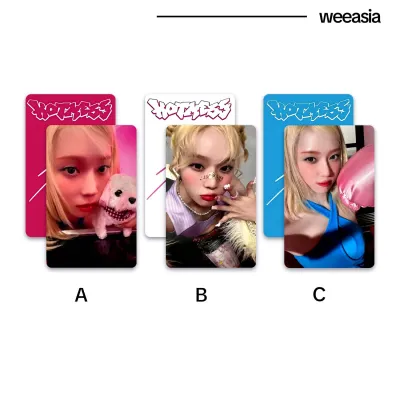

![[55pcs/box] AESPA Lomo Cards / Photo Cards KPOP](https://img.lazcdn.com/g/p/fae02bf55f4620976d1224e0187f4a95.jpg_400x400q80.jpg_.webp)

Prices are valid at publication and may change. Please refer to the product page for the latest price.
Compact editions, such as digipacks and jewel cases, offer a smaller and more streamlined alternative to standard photobooks. Digipacks are usually made of heavy cardstock with a plastic tray to hold the CD, and they frequently feature individual member covers, allowing collectors to purchase a version dedicated entirely to their favorite group member. Jewel cases utilize the classic clear plastic packaging, offering a nostalgic feel while keeping the overall footprint of the album minimal. These compact versions contain smaller booklet-style inserts and a more limited selection of physical extras, but they remain highly popular due to their lower price point and ease of storage.
Smart or digital formats, most notably the SMini version, represent a shift toward disc-less music consumption. An SMini package consists of a miniature plastic case, often designed to look like a tiny CD case, complete with a ball chain so it can be used as a keychain. Instead of a playable CD, it contains a small, round Near Field Communication (NFC) card. To play the music, you must tap this card against an NFC-enabled smartphone, which prompts the device to access the tracks through a dedicated mobile application. These smart formats are designed for collectors who prioritize portability and digital convenience over traditional physical media playback.
Comparing Inclusions and Photocard Pools
The physical inclusions within aespa’s albums vary significantly depending on the format you choose. Standard photobook editions generally feature the largest and most diverse array of paper goods, such as folded posters, large-format postcards, sticker sheets, and lyric booklets. The paper quality in these editions is typically premium, with matte or glossy finishes that highlight the intricate details of the group’s concept photography. In contrast, compact editions scale down these inclusions to fit their smaller dimensions, often replacing large postcards with mini-cards or small sticker sets.

Photocard pools are also structured differently across the various album formats. Standard editions usually draw from a broad, group-wide pool of photocards, meaning any given album could contain a card of any member. Compact editions, particularly member-specific digipacks or SMinis, often feature photocard pools that are tailored to that specific member, though some releases still include a random draw from a collective pool. The total number of unique photocards available to collect across an entire comeback can easily exceed dozens of designs, making it essential to check the official inclusion templates before attempting to complete a set.
Pre-order benefits (POBs) and retailer-specific extras add another layer of variation to the collecting experience. When purchasing an album during the pre-order period, authorized distributors often include exclusive photocards, holographic cards, or mini-posters that are not available in standard retail pressings. These exclusive items are produced in limited quantities and are highly sought after by dedicated collectors. Because these benefits are tied to specific retail partners, the inclusions you receive will depend entirely on where the album was originally sourced.
To ensure you know exactly what to expect from a specific release, it is highly recommended to verify the inclusion list through official channels. SM Entertainment typically publishes detailed album detail graphics on their official social media accounts prior to a comeback, outlining the exact dimensions, page counts, and photocard templates for each version. Additionally, watching verified unboxing videos from reputable creators can provide a realistic look at the physical quality, paper thickness, and overall scale of the packaging before you make a purchase.
How to Align Album Versions With Your Collection Goals
Choosing the right aespa album version requires a clear understanding of your personal collecting priorities and display preferences. If your primary goal is to appreciate the visual storytelling and high-concept photography of the group, standard photobook editions are the most rewarding option. These larger formats allow the art direction to shine, providing a tactile experience that compact versions cannot replicate. They are best suited for collectors who have dedicated shelf space and enjoy flipping through physical art books.
If your main objective is to collect photocards or secure items featuring your favorite member on a budget, compact editions are the logical choice. Digipacks and jewel cases allow you to target specific member covers, reducing the randomness of your purchase. Because these versions are more affordable than standard photobooks, they enable collectors to purchase multiple copies to increase their chances of pulling rare photocards without overspending. Their small size also makes them ideal for those with limited storage space, as they can be easily stacked or filed away.
Before purchasing, it is crucial to verify how the photocard pools are distributed for the specific comeback you are targeting. Some releases may feature shared pools across different versions, while others keep the pools strictly separated. If you are looking for a highly specific photocard design, buying a version with a shared pool might result in duplicate cards or members you did not intend to collect. Consulting fan-made photocard templates and trading communities can help you identify which album version offers the highest probability of obtaining your desired cards.
Finally, buyers must consider their playback preferences, especially when evaluating smart album formats like SMinis. If you expect to play your physical music on a traditional CD player, a car stereo, or a dedicated home audio system, smart albums will not meet your needs. These formats do not contain playable CDs and rely entirely on third-party mobile applications and stable internet connections for streaming. If you do not wish to install additional apps on your smartphone or prefer the simplicity of physical disc playback, sticking to standard or compact CD formats is the best path forward.
Purchasing and Verifying Authenticity in the Philippines
Sourcing physical K-pop albums in the Philippines requires careful navigation to ensure you receive authentic, undamaged products that count toward official Korean music charts like Hanteo and Circle Chart. To guarantee authenticity, it is best to prioritize authorized K-pop specialty retailers and official brand stores operating on major online marketplaces. These established sellers import their stock directly from South Korean distributors, ensuring that your purchase supports the artists directly and contains all the advertised first-press inclusions and pre-order benefits.
When buying from third-party sellers or individual collectors on local e-commerce platforms, verifying physical authenticity markers is essential. Authentic aespa albums feature an official KOMCA (Korea Music Copyright Association) holographic sticker on the back of the packaging, which shines under direct light and displays a unique serial number. Additionally, inspect the overall print quality, typography, and shrink-wrap seal; counterfeit albums, though rare, often exhibit blurry text, washed-out colors, or loose, uneven plastic wrapping.
Evaluating the reputation of online merchants is another critical step before committing to a purchase. Always read customer reviews, paying close attention to uploaded photos of the received items to verify that they were packaged securely in bubble wrap and sturdy boxes. Check the seller’s return and refund policies, particularly regarding items that arrive damaged or with missing inclusions. Since physical albums travel long distances from South Korea, reputable local sellers will typically offer clear guidelines on how to handle transit-related issues.
Local environmental factors and shipping logistics also play a significant role in the purchasing process within the Philippines. The country’s tropical climate and high humidity can easily damage paper-based collectibles, causing photobooks to warp or develop mold over time. To protect your investment, store your albums in a cool, dry place away from direct sunlight, and consider placing silica gel packets inside your display cabinets. Furthermore, keep in mind that shipping origins, customs duties, and local delivery fees will influence the final retail price, which typically ranges from ₱600 for compact versions to ₱1,500 or more for deluxe standard editions.
Frequently Asked Questions (FAQ)
Do all aespa album versions include a physical CD?
No, not all aespa album versions contain a physical CD. While standard photobooks, digipacks, and jewel cases include a traditional CD, smart formats like the SMini version do not. Instead, these compact digital editions utilize NFC technology or QR codes that require a compatible smartphone and a dedicated mobile application to access and stream the music.
Are photocard pools the same across all versions of a single comeback?
No, photocard pools are typically unique to each specific album format. The photocard designs found in a standard photobook version will generally differ from those included in a digipack or an SMini version of the same comeback. To find a specific card, collectors should review the official inclusion previews and photocard templates released by the agency before purchasing.
Community discussion
Share your experience or ask a question. Comments are reviewed before publication.