
Quick Answer: Which Piano Bench Fits Your Setup?
Choosing the right piano bench depends on who is playing and where the instrument is placed. If your household has multiple players of different heights, or if you are supporting a growing child, an adjustable piano bench is essential to maintain proper playing posture. Conversely, a fixed-height piano bench is highly suitable for a single adult player who has already found their ideal height and prefers a classic, stable piece of furniture that matches their instrument. Before making a purchase, you can validate your choice by measuring the distance from your floor to the top of your keyboard keys, then comparing this to the height specifications of potential benches.
Core Differences in Design and Functionality
To choose effectively, it helps to understand how these two bench types are built. Adjustable benches typically feature mechanical systems to alter the seating height. These systems include dual side knobs that turn to raise or lower the seat, hydraulic levers for quick pneumatic adjustments, or pin-lock mechanisms on metal X-style folding frames. When browsing online marketplaces, always check the product descriptions to verify whether the adjustment mechanism is made of solid steel or lighter alloys, as the material directly impacts long-term durability.

In humid environments, mechanical parts require occasional attention. Metal gears and adjustment screws can accumulate moisture, which may lead to rust or squeaking over time if left unmaintained. Choosing an adjustable bench with powder-coated metal parts or high-quality brass gears can help mitigate these issues, ensuring the mechanism continues to turn smoothly without sticking.
Products mentioned in this guide
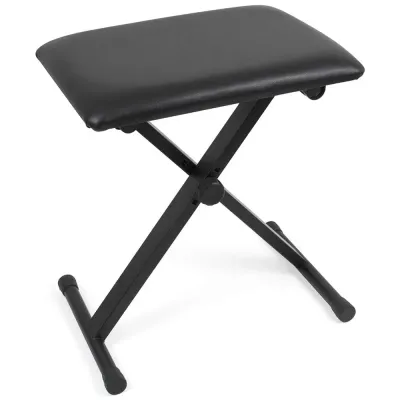
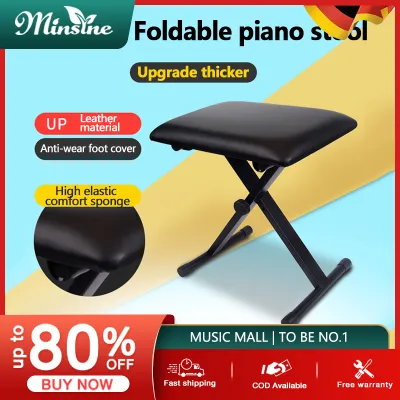
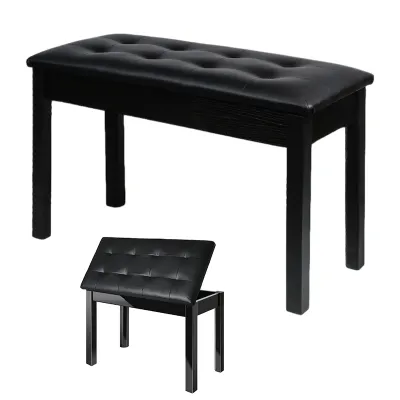
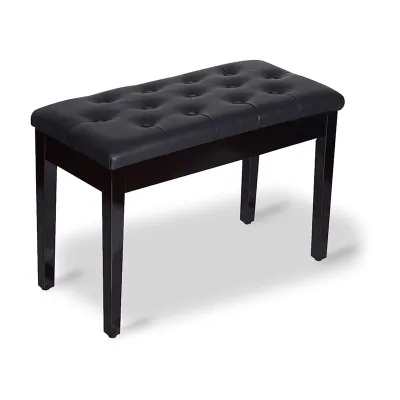
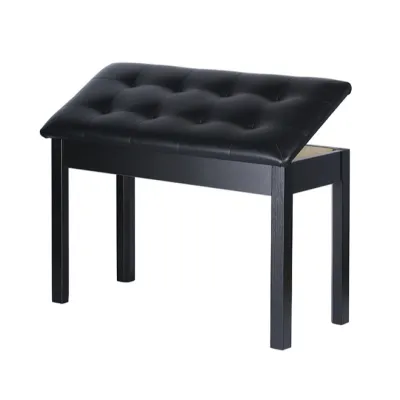
Prices are valid at publication and may change. Please refer to the product page for the latest price.
Fixed benches rely on a solid, non-moving frame, usually supported by four wooden or metal legs. Because they lack moving parts, fixed benches generally offer high structural stability and even weight distribution. They do not develop the slight wobble or mechanical play that some lower-end adjustable benches might experience over years of use. This makes them a reliable choice for heavy daily practice sessions where absolute stillness is preferred.
Portability and storage also differ significantly between the two designs. Many fixed benches feature a hinged seat that opens to reveal a spacious storage compartment, perfect for keeping sheet music, metronomes, and cleaning cloths organized. On the other hand, adjustable benches—especially metal X-style models—often prioritize portability. These can be folded flat for transport to gigs or stored in a closet when space is limited, though they rarely offer built-in storage for music books.
Ergonomics: How Bench Height Affects Your Playing
Proper ergonomics are vital for preventing physical strain during long practice sessions. When you sit at the piano, your elbows should be slightly higher than or level with the keyboard, allowing your forearms to rest parallel to the floor. This alignment ensures your wrists can remain flexible and relaxed, which is crucial for executing complex passages and avoiding repetitive strain injuries.
Your seating height also directly influences your foot placement and pedal control. If you sit too high, you may find yourself bending too far forward to reach the pedals, which disrupts your balance. If you sit too low, your legs may feel cramped, making it difficult to apply smooth, controlled pressure to the sustain pedal. A proper bench height ensures your feet can rest flat on the floor with your heels aligned, providing a stable anchor for pedaling.
To find your ideal seating height, sit on a temporary chair at your piano or digital keyboard. Use books or firm cushions to adjust your height until your elbows align correctly with the keys. Measure the distance from the top of the seat (including the compressed cushion) to the floor. This measurement is your target bench height, which you can use to evaluate whether a fixed bench will work or if you need the precise customization of an adjustable model.
Ignoring these ergonomic principles can lead to noticeable physical discomfort. If your bench is too low, you may find yourself raising your shoulders or dropping your wrists, which quickly causes tension in your upper back and neck. If the bench is too high, you might hunch over the keys, putting unnecessary pressure on your lower back. Recognizing these signs of fatigue early can help you decide if your current seating setup needs an immediate upgrade.
Matching the Bench to Your Household and Practice Needs
In a shared household, a single fixed bench rarely accommodates everyone comfortably. If a parent and a young child both practice on the same digital piano, their ergonomic needs will be vastly different. An adjustable bench allows each player to quickly dial in their correct height, ensuring that the child does not develop poor posture habits early in their musical journey.
This flexibility is equally important for home studios and music classrooms. Teachers who host students of various ages and sizes throughout the day rely heavily on adjustable seating to ensure every student starts their lesson with the correct posture. A quick turn of a knob or pull of a lever prepares the bench for the next student, saving valuable lesson time.
For a dedicated practice space used by a single adult, a fixed bench often provides the perfect blend of aesthetic appeal and functional simplicity. In tropical climates like the Philippines, high humidity can sometimes affect wooden furniture. A high-quality fixed wooden bench with a moisture-resistant finish can withstand these environmental factors well, offering a permanent, elegant seating solution that complements a classic acoustic piano or a premium digital console in your living room.
For gigging musicians, music students, or those living in compact apartments, space-saving designs are highly valuable. A portable, adjustable metal bench is easy to pack into a car trunk for weekend performances or church services. These benches are designed to withstand frequent transport, making them a practical choice for players who do not have a permanent, dedicated music room.
Adjustable vs. Fixed Piano Bench Comparison
The table below outlines the key differences to help you compare your options at a glance.
| Feature | Adjustable Piano Bench | Fixed Piano Bench |
|---|---|---|
| Height Flexibility | High (typically adjusts by several inches) | None (fixed standard height) |
| Primary Mechanism | Side knobs, hydraulic levers, or pin-locks | Solid legs with no moving parts |
| Storage Capacity | Rarely available (except in premium duet models) | Frequently includes under-seat storage |
| Best Suited For | Multiple players, growing children, gigging | Single adult players, permanent home setups |
| Portability | High in metal folding models; low in heavy wood models | Low (designed to remain in one place) |
When evaluating specific models on online marketplaces, look closely at the manufacturer’s specifications. Verify the maximum weight capacity to ensure the bench can safely support your needs. Additionally, check the details regarding padding thickness and upholstery material; in warm, humid environments, breathable fabrics or high-grade synthetic leathers that resist peeling are often preferred for long-term comfort.
Final Decision Framework: Which One Should You Get?
To finalize your decision, consider how your specific setup matches these practical criteria.
Choose an adjustable bench if:
- Multiple people of different heights will share the same instrument.
- You are buying a bench for a growing child who will need height adjustments over the years.
- You play on a non-standard keyboard stand that sits higher or lower than a traditional acoustic piano.
- You need a portable seating option that can fold flat for travel or storage.
Choose a fixed bench if:
- You are the sole player and a standard 19-to-20-inch height aligns perfectly with your keyboard.
- You want built-in storage to keep your sheet music and accessories organized.
- You prefer a classic, furniture-grade look that matches the wood finish of your piano.
- You want a highly stable seat with zero risk of mechanical wear or wobbling over time.
Verify first if:
- The bench feet are compatible with your flooring; look for rubber end caps or felt pads to protect delicate hardwood or tile floors.
- The bench dimensions fit comfortably within your practice space, especially if you have limited room between your keyboard and nearby furniture.
- The product description specifies the materials used, ensuring they can withstand local humidity levels without warping or degrading.
Frequently Asked Questions (FAQ)
Can I use cushions or blocks to adjust a fixed bench?
Using temporary solutions like cushions, foam pads, or wooden blocks under a fixed bench is generally not recommended for regular practice. Cushions can compress unevenly, leading to an unstable seating surface that forces your core muscles to overcompensate, which can cause lower back fatigue. Placing blocks under the legs of a bench poses a significant slipping hazard, especially on smooth tile or polished wooden floors. If you find that your fixed bench does not position you at the correct height, it is safer to transition to a dedicated adjustable piano bench rather than risking your posture and safety with DIY modifications.
Are adjustable benches less stable than fixed ones?
Adjustable benches are not inherently unstable, but their stability depends heavily on their build quality and design. High-quality adjustable benches featuring heavy-duty steel frames or solid wood legs with robust metal adjustment gears offer excellent stability that rivals fixed models. However, budget-friendly folding models may exhibit a slight lateral wobble if the joints or locking pins are not fully tightened. To ensure a stable playing experience, check user feedback regarding structural rigidity and verify that the bench features secure locking mechanisms before making your purchase.
Community discussion
Share your experience or ask a question. Comments are reviewed before publication.