
Quick Answer: Which Drumset Instrument for Adult Beginners is Best?
Choosing the right drumset instrument for adult learners is an exciting milestone, but it often comes with a major dilemma: should you go acoustic or electronic? There is no single universal answer to this question. The ideal drumset instrument for adult beginners depends heavily on your immediate living conditions, personal goals, and noise tolerances.
An electronic drumset is the most practical choice if you live in an apartment, share walls with neighbors, or need the flexibility to practice quietly with headphones at any hour of the day. Conversely, an acoustic drumset is the superior option if you have a dedicated, sound-isolated space and want to develop authentic dynamic control and natural stick rebound from day one. Both paths lead to excellent musical development, but practical constraints usually dictate the final decision for adults.
Noise and Living Space: The Biggest Constraint for Adult Learners
For adult beginners, especially those living in densely populated urban areas or high-rise condominiums in the Philippines, space and noise are the ultimate gatekeepers. Before you even strike a single note, you must evaluate where the instrument will live and how its sound will travel through your home.
Products mentioned in this guide
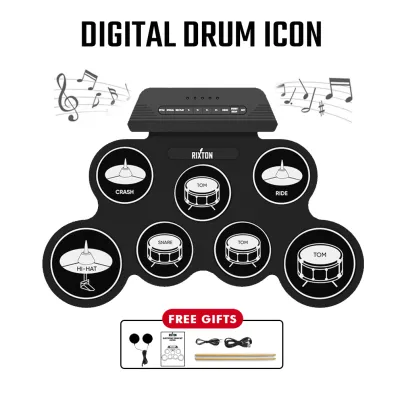
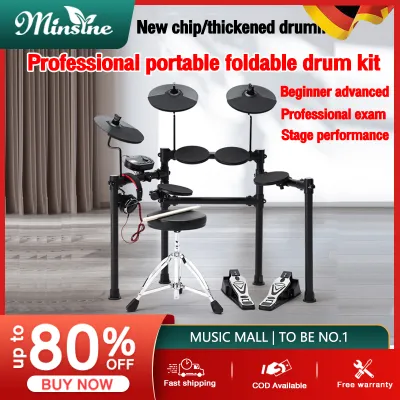
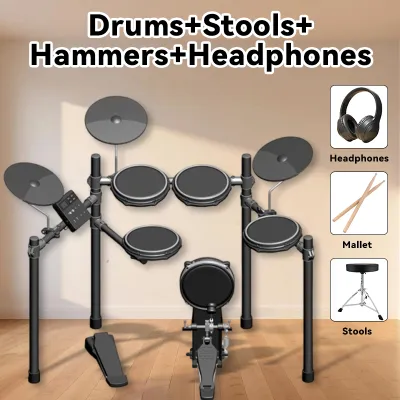
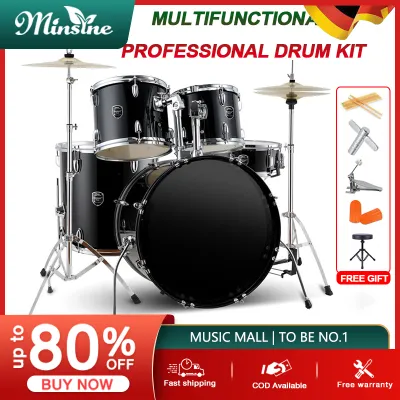
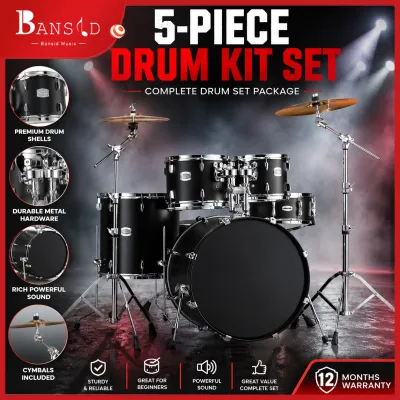

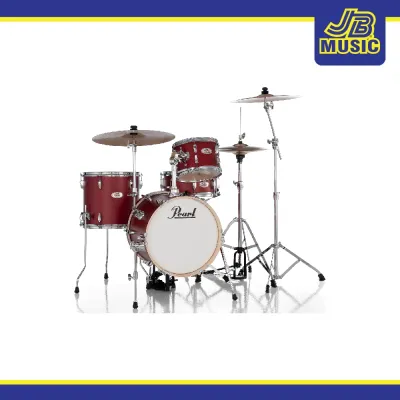
Prices are valid at publication and may change. Please refer to the product page for the latest price.

Acoustic drums are inherently loud, often exceeding 110 decibels during normal play. This volume level is comparable to a power lawnmower operating inside your room. Attempting to mute an acoustic kit with rubber pads or mesh heads is possible, but doing so severely compromises the stick rebound and ruins the joy of hearing the instrument’s natural tone. If you share walls with neighbors or live with family members who require quiet, an acoustic kit can quickly lead to household friction.
Electronic drums solve this issue by routing the sound directly to your headphones, allowing you to practice silently. However, there is a common misconception that electronic kits are completely noiseless. While the airborne sound of plastic and rubber strikes is relatively low, the physical impact of your foot striking the kick pedal and hi-hat pedal creates low-frequency, structural vibrations.
In concrete-framed or wood-framed buildings, this structural vibration travels directly through the floorboards, sounding like a heavy hammer to the neighbors below. To prevent complaints, adult beginners living on upper floors often need to construct or purchase a noise isolation platform, such as a tennis-ball riser or a high-density acoustic foam mat, to decouple the drum rack from the floor.
Physical footprint is another major differentiator. A standard five-piece acoustic drumset requires a permanent space of at least 1.5 by 1.5 meters, and it cannot be easily moved once set up. In contrast, many electronic kits feature compact, lightweight rack systems. Some electronic models are even designed to fold up with the pads still attached, allowing you to store the kit in a closet or corner when it is not in use, making them highly suitable for studio apartments.
Feel, Sound, and Learning Goals: Acoustic vs Electronic
The playing experience differs significantly between these two types of drumsets. The choice you make will shape how you develop your muscle memory, timing, and stylistic preferences.
Acoustic Drums: Authentic Rebound and Dynamic Control
Acoustic drums offer an organic physical feedback loop that digital samples cannot fully replicate. When you strike a mylar drumhead, the air inside the wooden shell compresses and vibrates, sending immediate tactile feedback through your drumsticks and into your hands. Cymbals made of bronze or brass respond to your touch with complex, swelling overtones that change depending on where, how hard, and at what angle you strike them.
This physical responsiveness forces you to develop genuine dynamic control. You learn the delicate art of playing quietly (ghost notes) and loudly (rimshots) purely through physical technique and stick height. This path is highly recommended if your primary musical goals include playing in live rock bands, jazz ensembles, or acoustic settings where authentic tone and physical touch are paramount.
Electronic Drums: Consistency and Built-in Learning Tools
Electronic drumsets rely on digital triggers to translate your physical strikes into synthesized or pre-recorded drum samples. The physical feel depends heavily on the pad material. Basic electronic kits use solid rubber pads, which can feel stiff, bouncy, and cause wrist fatigue during long practice sessions. For adult beginners, it is highly recommended to prioritize mesh heads, which are made of woven fabric and can be tensioned with a drum key to mimic the rebound of a real drumhead.
An electronic drum module, often called the “brain,” offers a suite of built-in educational tools. Most modules include highly accurate metronomes, coaching programs that grade your timing, and pre-loaded play-along tracks across various musical genres. Furthermore, electronic kits offer seamless digital integration. You can connect the module to a computer or smartphone via USB or MIDI, allowing you to record your practice sessions directly, play along with online tutorials, or trigger high-end virtual drum libraries.
This makes electronic drums an exceptional tool for self-guided learners, home music producers, and those who want to practice with absolute consistency. When purchasing, always verify the specific trigger interfaces, MIDI/USB output compatibility, and audio codecs supported by the model, rather than relying on brand reputation alone.
Setup, Maintenance, and Practical Constraints
Owning a drumset involves ongoing care and physical management that goes beyond just playing. Understanding the maintenance requirements of each instrument will help you avoid unexpected headaches.
Assembly and Tuning
- Acoustic Drums: These are highly mechanical instruments. They require regular tuning to keep the top (batter) and bottom (resonant) heads in harmony, which is a skill that takes time to master. You will also need to replace worn-out drumheads periodically and lubricate moving hardware parts like the bass drum pedal and hi-hat stand.
- Electronic Drums: These are largely plug-and-play once assembled. However, they require meticulous cable management. A maze of trigger cables connects the pads to the central module; keeping these cables organized and secured with velcro straps is essential to prevent tripping hazards, accidental disconnections, or physical damage to the input jacks.
Climate and Environment
- Acoustic Drums: The tropical climate of the Philippines introduces unique maintenance challenges. High humidity and dramatic temperature swings can cause wooden acoustic drum shells (often made of poplar, birch, or maple) to warp over time, which ruins their ability to hold a tune. Moisture in the air can also cause chrome-plated hardware, tension rods, and cymbals to rust if the kit is kept in a non-airconditioned room.
- Electronic Drums: While electronic drum pads are generally less vulnerable to wood warping, high humidity can still corrode internal trigger sensors, piezo elements, and the delicate circuitry inside the drum module. To protect your investment, always keep your drums away from open windows during the monsoon season, use a protective dust cover when not playing, and consider placing silica gel packets near the electronic module or inside the acoustic shells.
Portability and Storage
- Acoustic Drums: Transporting an acoustic drumset requires significant physical labor. You must pack heavy metal stands, bulky wooden shells, and fragile cymbals into individual bags, requiring a large vehicle and multiple trips to transport them to a gig or rehearsal space.
- Electronic Drums: An electronic kit is far more portable. The lightweight rack can often be folded down, and the entire setup can fit into the trunk of a standard sedan with minimal effort, making it highly convenient for gigging musicians who travel frequently.
Budget and Value: What to Expect When Buying
Navigating the financial aspect of buying a drumset instrument for adult beginners requires looking beyond the initial sticker price. You must account for the quality of the components and the necessary accessories that may not be included in the box.
Avoid ultra-cheap, generic kits in both categories. Extremely cheap acoustic kits often feature soft, low-grade wood shells that warp easily, unstable hardware that slips while you play, and cymbals that sound like trash can lids. Similarly, the cheapest electronic kits suffer from high latency (the delay between striking the pad and hearing the sound), unrealistic rubber pads, and poor trigger response that fails to register fast or quiet strokes. These flaws can quickly frustrate a beginner and lead to bad habits.
For a successful learning journey, aim for the mid-range sweet spot. Look for entry-to-mid-tier acoustic kits from established, reputable global manufacturers who are known for durable hardware and quality shell construction. For electronic kits, prioritize mid-range models that feature all-mesh drumheads, dual-zone cymbals (allowing you to choke the cymbal or play the bell), and a sturdy four-post rack system. Be sure to verify the regional power adapter compatibility and pre-loaded software licensing before finalizing your purchase.
Remember to factor in the hidden costs of essential add-ons that are rarely included in the base price of a drum kit:
Acoustic Hidden Costs
- Cymbals: Many starter packages do not include cymbals, or they include low-quality brass cymbals that you will want to replace immediately.
- Hardware: You will need to purchase heavy-duty cymbal stands, a high-quality kick pedal, and a sturdy drum throne. Do not skimp on the drum throne, as a cheap, unsupportive seat can lead to poor posture and lower back pain during long practice sessions.
- Hearing Protection: High-fidelity earplugs or isolation headphones are mandatory to prevent permanent hearing damage.
Electronic Hidden Costs
- Headphones: You must factor in the cost of a high-quality pair of studio monitor headphones for clear, undistorted sound.
- Amplification: If you want to play out loud or jam with friends, you will need to purchase a dedicated drum amplifier or a small PA system, as standard guitar amplifiers cannot handle the deep, low-frequency punch of an electronic kick drum and can blow out their speakers.
- Pedals and Accessories: You may also need to purchase a separate bass drum pedal, an isolation mat, and a drum throne, as these are rarely bundled with mid-to-high-end electronic kits.
Always check with reputable local music stores in the Philippines to compare package deals, and verify what accessories are included in the PHP (₱) price before finalizing your purchase.
Final Decision Framework: Choose Acoustic or Electronic?
To help you make the final leap, let us summarize the choice into a practical, condition-based decision matrix.
Choose an electronic drumset if:
- You live in an apartment, condominium, or shared household where loud noise is prohibited.
- You plan to practice late at night, early in the morning, or during irregular hours.
- You want access to built-in metronomes, coaching programs, and digital play-along tracks.
- You plan to record your playing directly into a computer for music production or video creation.
Choose an acoustic drumset if:
- You have a dedicated, sound-isolated space, such as a garage, a basement, or a soundproofed room.
- Your primary goal is to develop authentic stick rebound, dynamic control, and traditional technique.
- You plan to play live acoustic gigs, join a traditional band, or perform in settings where natural acoustic tone is required.
- You enjoy the mechanical aspect of tuning, maintaining, and customizing physical drum hardware.
Before spending your hard-earned money, always verify the specific rules of your living space. Consult your condominium administration, landlord, or household members regarding noise regulations and acceptable practice hours. Even an electronic kit can cause disputes due to pedal vibrations, so a quick conversation beforehand can save you from immediate post-purchase conflicts.
Frequently Asked Questions (FAQ)
Can I start on an electronic drumset and switch to acoustic later?
Yes, the fundamental skills you learn on an electronic kit—such as limb independence, rhythm, timing, and basic rudiments—will transfer directly to an acoustic drumset. However, you should expect a brief adjustment period when making the switch. You will need to adapt to the significantly louder volume, the heavier physical resistance of real cymbals, and the need to control your dynamics manually without the aid of a volume knob.
Do I need an amplifier for an electronic drumset?
No, you do not need an amplifier if you plan to practice privately. A high-quality pair of over-ear headphones is perfectly sufficient and is actually the preferred method for silent practice. However, if you want to play without headphones, perform for an audience, or jam with other musicians, you will need to invest in a dedicated electronic drum amplifier or a portable PA system that can accurately reproduce the wide frequency range of a drum kit.
Community discussion
Share your experience or ask a question. Comments are reviewed before publication.