
Choosing your first drumset instrument for adults is an exciting milestone, but it presents a classic dilemma: should you go with a traditional acoustic kit or a modern electronic setup? The decision depends primarily on your living environment, your noise tolerance, and your practice goals. While acoustic drums provide an unmatched physical response and natural dynamic range, electronic drums offer volume control and compact footprints that make them highly practical for modern households.
For an adult beginner, balancing a busy work schedule with a new hobby requires a setup that minimizes friction. If your drumset is too loud to play after office hours, or if it takes up an entire room in a compact home, it will likely gather dust. By evaluating your physical space, your musical aspirations, and the true cost of ownership, you can select an instrument that fits seamlessly into your daily life.
Assess Your Living Space and Noise Constraints
Before purchasing any drumset instrument for adults, you must realistically evaluate where the instrument will live and how its sound will travel. Acoustic drums are inherently loud, easily producing sound levels between 90 and 110 decibels. This intense acoustic energy does not just travel through the air; it vibrates through floors, walls, and ceilings. Even if you try to mute the drums with rubber pads or blankets, you cannot completely eliminate the low-frequency thud of the bass drum, which travels easily through structural concrete and wood.
Products mentioned in this guide
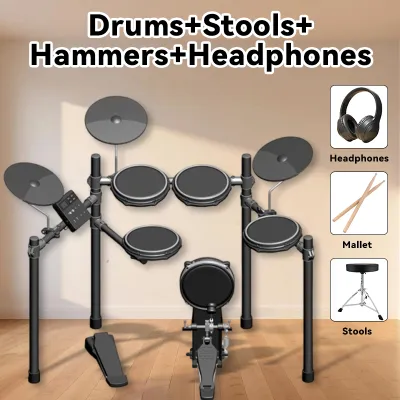
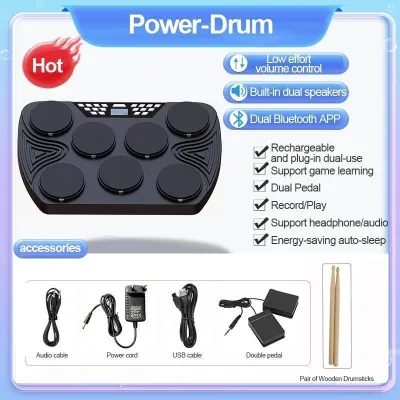
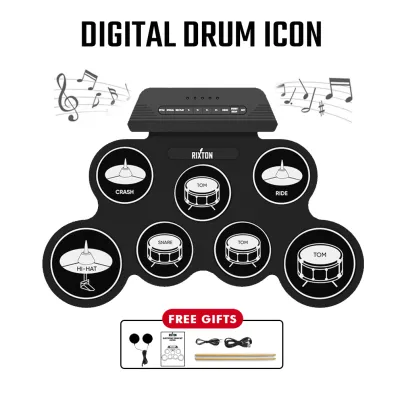
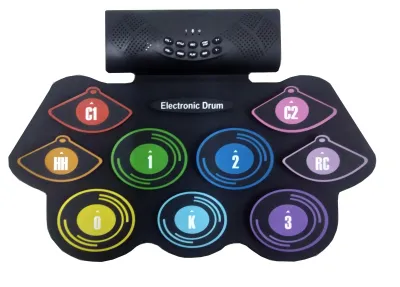
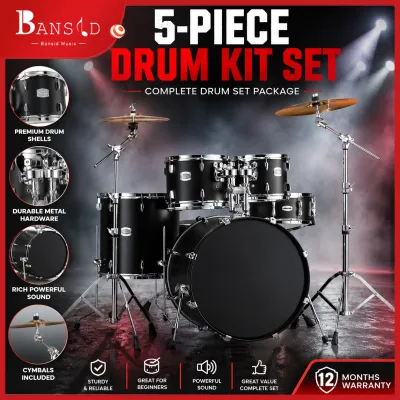
Prices are valid at publication and may change. Please refer to the product page for the latest price.
In the Philippines, high-density living situations make noise a primary consideration. If you reside in a condominium in Metro Manila, a townhouse with shared walls, or a closely built residential subdivision, an acoustic drumset will almost certainly trigger complaints from neighbors or family members. The sound of sticks hitting brass cymbals and mylar drumheads can easily penetrate standard concrete walls and hollow blocks, turning your practice sessions into a source of community friction.
Physical footprint and portability are also critical factors. An acoustic drumset requires a dedicated space of at least 1.5 by 2 meters, and once it is set up, moving it is a labor-intensive process. Electronic drumsets, by comparison, are highly compact and often feature folding racks. You can easily tuck an electronic kit into the corner of a bedroom or a multi-purpose home office, making it a highly efficient choice for smaller living spaces.
To determine your noise tolerance, ask yourself the following questions:
- Who shares your walls? Consider whether you have immediate neighbors above, below, or beside you who can hear structural vibrations.
- When will you practice? If your only free time is early in the morning or late at night after work, acoustic drums are practically unusable without soundproofed rooms.
- How do your household members feel? Even inside your own home, continuous drumming can disrupt family members reading, working, or sleeping in adjacent rooms.
Define Your Musical Goals and Practice Needs
Your choice of instrument should also align with how you want to learn and the styles of music you hope to play. Both acoustic and electronic kits can teach you the fundamentals of rhythm, but they offer vastly different tactile experiences and learning tools.

Acoustic Drums for Dynamic Control and Authentic Feel
Acoustic drums teach you how to coax a wide range of tones and volumes from a physical object. When you play an acoustic drum, your hands receive direct physical feedback from the vibration of the drumhead and the shell. Learning to control this feedback is essential for developing true dynamic control, which ranges from delicate ghost notes to powerful rimshots.
Cymbal play on an acoustic kit is also highly nuanced. A real bronze cymbal responds differently depending on where you strike it, the angle of your stick, and how hard you hit. This level of expressive control is vital for adult beginners who aim to play in live bands, perform traditional jazz, or explore genres where subtle acoustic textures are central to the music.
Electronic Drums for Built-in Coaching and Versatility
Electronic drumsets leverage technology to streamline the learning process for self-taught or structured beginners. Most modern drum modules feature built-in metronomes, training programs, and play-along tracks that help you develop timing and precision. You can also connect the module directly to a laptop or tablet to use interactive learning software, making daily practice feel more engaging.
Another major benefit is sonic versatility. With the press of a button, you can switch your kit sound from a classic rock setup to a jazz kit, a hip-hop drum machine, or a massive arena metal kit. This variety keeps practice sessions fresh and allows you to explore different genres without buying extra gear.
However, you must consider the physical feedback loop. Many modern electronic kits use mesh heads, which can be adjusted with a standard drum key to change their tension. While mesh heads are quiet and offer excellent rebound, they do not vibrate in the same way as mylar acoustic heads. The stick rebound on mesh can sometimes feel overly bouncy, which requires a brief adjustment period when you eventually play on an acoustic kit.
Evaluate Your Budget and Hidden Maintenance Costs
Many beginners look only at the initial price tag of a drumset, but the long-term cost of ownership can vary significantly between acoustic and electronic options. In the Philippines, entry-level acoustic kits typically range from ₱15,000 to ₱30,000, which usually includes the wood shells, basic hardware, and a set of entry-level brass cymbals. Entry-level electronic kits generally cost between ₱20,000 and ₱45,000, consisting of the drum module, rubber or mesh pads, and a mounting rack.
Acoustic kits carry ongoing maintenance needs that require both time and money. Drumheads are consumable items; they stretch, lose their tone, and eventually dent or crack, requiring regular replacement. Tuning an acoustic kit is also an art form that takes time to master, and changes in tropical humidity can cause wood shells to expand or contract, throwing the drums out of tune. Furthermore, the cymbals included in budget acoustic packages often sound harsh and thin, meaning you will likely want to upgrade to higher-quality bronze cymbals as your skills progress.
Electronic kits have fewer moving parts to tune, but they come with their own maintenance considerations. The drum module is a digital device that must be protected from power surges and excessive moisture. While mesh pads are durable, rubber pads can harden or degrade over time under heavy use. Additionally, you cannot hear an electronic kit out of the box without accessories; you must factor in the cost of a dedicated drum amplifier or a high-quality pair of closed-back headphones to hear your playing clearly.
Finally, consider the practicalities of transport and setup. Shipping an acoustic kit within the Philippines can be costly due to the sheer size and weight of the wooden shells and heavy steel hardware. Electronic kits are much lighter and ship in more compact boxes, making them easier to transport if you move houses or need to bring your kit to a rehearsal space.
The Verdict: Matching Your Profile to the Right Drumset
To make your final decision, look at which profile matches your current living situation and musical goals:
Path A: Choose an Acoustic Drumset If:
- You live in a detached home or have a dedicated, sound-isolated room where high volume is not an issue.
- Your primary goal is to play in a live rock, jazz, or blues band, where mastering physical stick dynamics and cymbal feedback is essential.
- You enjoy the mechanical aspect of instruments, including tuning drumheads, changing hardware, and customizing your physical shells.
Path B: Choose an Electronic Drumset If:
- You live in a condominium, apartment, or a closely built subdivision where quiet practice is mandatory.
- You need the flexibility to practice at any hour of the day or night using headphones without disturbing others.
- You want a compact, space-saving setup that can easily fold away or fit into a small bedroom.
- You appreciate built-in coaching tools, metronomes, and the ability to record your practice sessions directly to a computer.
If you are leaning toward an acoustic kit but still worry about noise, consider hybrid compromise solutions. You can outfit an acoustic kit with mesh mute heads and low-volume perforated cymbals, which reduce the volume by up to 80 percent while preserving the physical layout of a real kit. Alternatively, if your budget allows, you can invest in a high-end electronic kit that features full-sized wooden shells and advanced acoustic modeling modules to bridge the gap between both worlds.
Before making your final purchase, visit a local music store in your area. Sit behind both types of kits, hold the sticks, and feel the physical rebound of the pads and heads. Testing the instruments in person will give you the ultimate clarity on which setup feels right for your hands and your home.
Frequently Asked Questions (FAQ)
Can I learn on an electronic drumset and later switch to acoustic?
Yes, you can absolutely start your drumming journey on an electronic kit. The core skills of drumming—including hand-to-hand rudiments, timing, limb independence, and reading sheet music—transfer perfectly between the two styles of instruments. When you eventually transition to an acoustic kit, you will experience a brief adjustment period. You will need to adapt to the much louder physical volume, the larger physical distances between the drums and cymbals, and the unique rebound characteristics of real mylar drumheads.
Do electronic drums feel exactly like acoustic drums?
No, electronic drums do not feel identical to acoustic drums. While high-end mesh heads do an excellent job of mimicking the rebound of a real drumhead, they lack the physical vibration and deep resonance of a wooden drum shell. The impact shock of hitting a rubber pad or a mesh head is also different, which can affect your wrist fatigue during long sessions. Additionally, electronic cymbal pads cannot fully replicate the complex physical sway, edge-to-bell transitions, and natural decay of real bronze cymbals.
What essential accessories do I need for either drumset?
Regardless of which kit you choose, you will need a sturdy, adjustable drum throne to maintain proper posture, a few pairs of quality drumsticks (such as size 5A or 7A), and a heavy-duty drum rug to prevent your pedals and stands from sliding across the floor. For an acoustic kit, you must invest in high-quality hearing protection (like earplugs or isolation earmuffs) to protect your ears from high decibels, along with a standard metal drum key for tuning. For an electronic kit, you will need a pair of closed-back headphones with a wide frequency response, a dedicated drum amplifier if you want to play out loud, and the appropriate audio cables to connect your module to your devices.
Community discussion
Share your experience or ask a question. Comments are reviewed before publication.