
When shopping for an acoustic guitar, understanding how its physical components interact is the key to finding an instrument that sounds rich and feels comfortable to play. While aesthetic details like binding, inlays, and colorful finishes catch the eye, the core tonal character and playability of the instrument are driven by a few critical parts: the soundboard (top), the bridge, the saddle, the nut, and the tuning machines. Minor hardware components, such as pickguards and strap buttons, serve primarily cosmetic or protective roles and have virtually no influence on the guitar’s voice. By focusing on these essential structural elements, you can make a much more informed decision whether you are browsing at a local music store or evaluating options online.
The Soundboard (Top): The Primary Voice
The soundboard, or the top of the acoustic guitar, is the single most important component for determining the instrument’s overall volume, projection, and tonal character. When you pluck a string, its vibration transfers through the bridge and causes the top to vibrate, acting like a speaker cone that pushes air. To evaluate a guitar’s top, you must first check whether it is made of solid wood or laminate. You can verify this by looking closely at the edge of the soundhole; if the wood grain runs continuously from the top surface down through the edge into the hole, it is solid wood. If you see distinct layers, like plywood, it is a laminate top.
Different top woods offer distinct tonal tendencies, though these serve as general guidelines rather than absolute rules. Spruce is highly popular for its bright, clear tone and strong projection, making it versatile for various playing styles. Cedar is softer and offers a warmer, more responsive sound that favors light fingerpicking. In tropical climates with high humidity, such as the Philippines, it is crucial to inspect the area behind the bridge for “bellying”—an excessive bulging of the top wood caused by tension and moisture. A slight, gentle curve is normal, but a severe hump indicates structural stress that can ruin the playability of the instrument.
Products mentioned in this guide
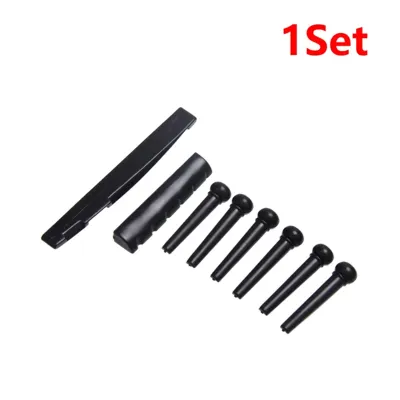
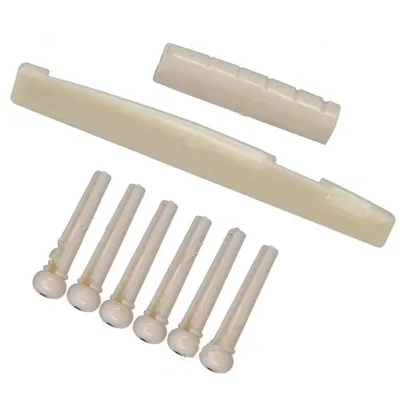
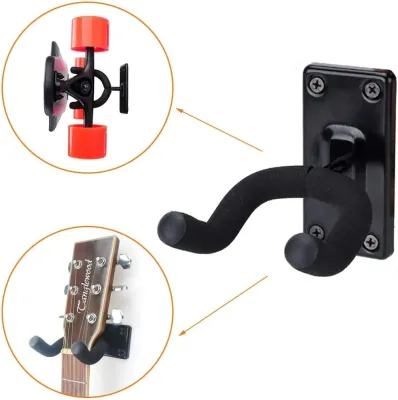
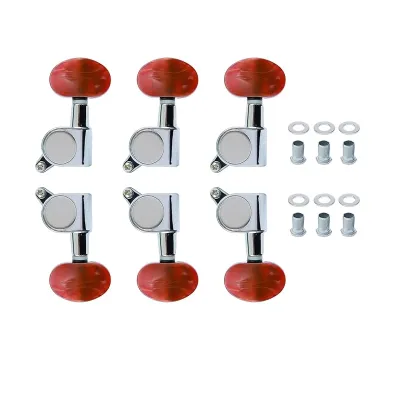
Prices are valid at publication and may change. Please refer to the product page for the latest price.
The Bridge, Saddle, and Nut: Vibration Transfer and Action
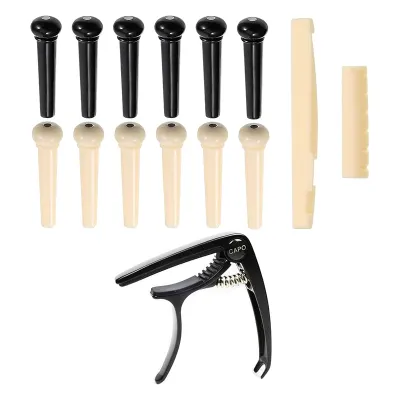
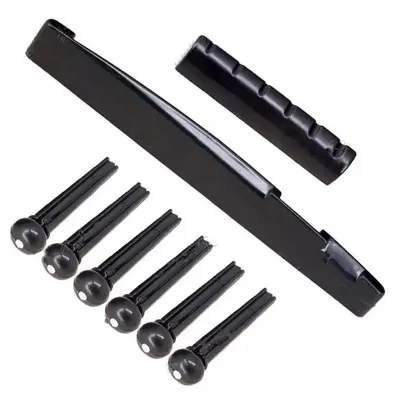
The bridge, saddle, and nut serve as the primary contact points for the strings, directly controlling how vibration transfers to the body and establishing the guitar’s “action,” or string height. The nut sits at the end of the fretboard near the headstock, while the saddle is set into the bridge on the body. These components are typically made of plastic, synthetic bone, or organic bone. Bone and high-quality synthetic materials generally offer better sustain, clarity, and wear resistance than cheap, soft plastics, which can dampen the strings and wear down quickly under tension.

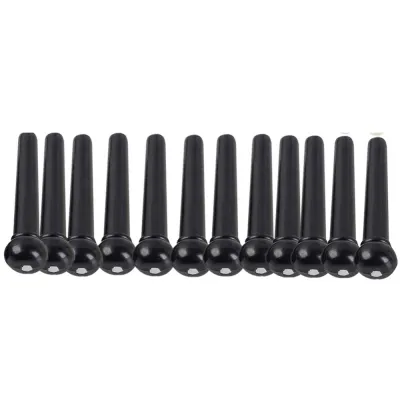
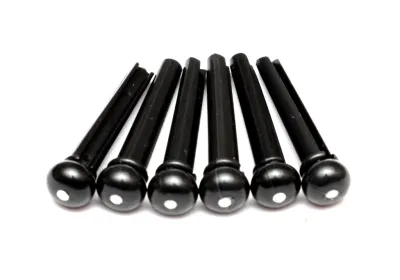
To assess playability, look at the height of the saddle and the depth of the nut slots. If the saddle is too low, you will not have enough room to adjust the action in the future; if the nut slots are cut too shallow, the strings will be difficult to press down near the first fret. Additionally, inspect the bridge itself to ensure it is securely glued to the soundboard. There should be no visible gaps or lifting at the back edge of the bridge, which you can test by trying to slide a thin piece of paper under the corners. The bridge pins should also fit snugly in their holes without popping up when the strings are tuned to pitch.
Tuning Machines and Neck Profile: Stability and Comfort
While the body shapes the tone, the neck and tuning machines dictate how the guitar feels in your hands and how well it stays in tune. Tuning machines, or pegs, should operate smoothly without sticking, slipping, or feeling loose. Look for sealed gear tuners, which protect the internal gears from dust and humidity, ensuring long-term reliability. A higher gear ratio (such as 18:1 compared to 14:1) allows for more precise tuning adjustments, which is incredibly helpful during quick tune-ups between songs.
The neck profile—the physical shape of the back of the neck—and the nut width must match your hand size and playing style. A slim “C” shape profile is often comfortable for smaller hands, while a wider nut width provides more spacing between strings, which is ideal for fingerstyle players. Finally, sight down the edge of the fingerboard from the headstock to the body to check the neck relief. A perfectly straight neck or one with a slight, almost imperceptible forward bow is ideal. A severe back-bow or warp will cause the strings to buzz against the frets, making the guitar frustrating to play.
Components with Minimal Tonal Impact
When evaluating an acoustic guitar, it is easy to get distracted by premium-looking upgrades that actually have little to no impact on the instrument’s sound. The pickguard, for example, is a thin plastic sheet designed purely to protect the wood from scratches caused by flatpicks; it does not alter the acoustic projection in any meaningful way. Similarly, the material of the bridge pins—whether plastic, wood, or brass—and the presence of strap buttons are matters of convenience and personal style rather than tonal upgrades.
Cosmetic features like colorful abalone purfling, gold-plated tuning pegs, or exotic wood veneers on the headstock do not improve resonance or playability. When shopping on a budget, perhaps under ₱10,000, it is wise to ignore these visual enhancements. Focus your budget instead on a solid wood top and high-quality construction, as a plain-looking guitar with a solid spruce top will almost always sound better than a highly decorated laminate instrument.
Your Pre-Purchase Inspection Checklist
To ensure you are buying a reliable instrument, follow a structured inspection sequence before making your purchase. Start with a thorough visual check of the body: look for any cracks in the wood, gaps around the neck joint, or lifting at the bridge. Next, run your fingers along the edges of the fretboard to ensure the metal fret ends are smooth and do not stick out, which can scratch your hand while playing.
Perform a quick playability test by pressing down each string at the first fret; there should be a tiny gap between the string and the second fret, indicating the nut slots are cut correctly. Play individual notes up and down the entire neck to check for dead spots or fret buzz. Finally, perform a hardware stress test: tune the guitar to standard pitch, stretch each string gently, and play a few chords with heavy strumming. Check the tuning again to verify that the tuning machines hold tension reliably under standard playing conditions.
Frequently Asked Questions (FAQ)
Does a heavier acoustic guitar always mean better sound quality?
No, weight does not directly correlate with superior sound quality. An acoustic guitar’s weight is influenced by wood density, the thickness of the panels, and the internal bracing pattern. In fact, a lighter guitar is often more resonant because thinner, well-braced wood can vibrate more freely. While some heavier woods offer excellent sustain, a lighter instrument is generally more comfortable to hold for long playing sessions and can deliver outstanding projection.
Can I upgrade the nut and saddle on an entry-level acoustic guitar?
Yes, upgrading the nut and saddle is one of the most cost-effective ways to improve an entry-level acoustic guitar. Replacing cheap plastic parts with bone or high-quality synthetic alternatives can noticeably enhance sustain, clarity, and string balance. However, this upgrade requires a precise fit; the new parts must be sanded to the correct height and the slots must be filed accurately. It is highly recommended to have this work done by a professional guitar technician to avoid buzzing or intonation issues.
Community discussion
Share your experience or ask a question. Comments are reviewed before publication.