
Readers who prefer English over Tagalog when exploring the massive bibliography of Jonaxx face a unique linguistic landscape. As one of the most prominent contemporary romance authors in the Philippines, her original web-novel drafts are primarily written in Taglish, which is a conversational blend of Tagalog and English. For a reader seeking a smooth entry point without a language barrier, the most accessible starting points are her officially published physical or digital editions that have been explicitly translated into English, or standalone novels where the language ratio heavily favors English. To begin this literary journey successfully, readers must learn how to verify book editions, understand the structure of her interconnected series, and source authentic copies from authorized publishers.
Navigating a bibliography that spans dozens of novels requires a clear strategy, especially when language preferences dictate your choices. While the emotional depth, intense character chemistry, and dramatic plotlines of these stories transcend language barriers, the physical or digital format you choose will heavily impact your reading comprehension and enjoyment. By focusing on verified translations and understanding the publishing pipeline, you can experience these beloved stories exactly as intended, without getting lost in translation.
Understanding the Language Landscape of Jonaxx Novels
To appreciate why finding English editions of these novels requires some effort, it is essential to understand how contemporary Philippine romance literature is produced and consumed. The vast majority of these stories begin their lives as serialized drafts on digital self-publishing platforms. In this digital space, authors write in the natural, everyday language of their primary audience, which is a fluid mix of Tagalog and English. This code-switching allows for highly realistic dialogue and relatable character interactions, but it presents a significant hurdle for international readers or local readers who are more comfortable with pure English prose.
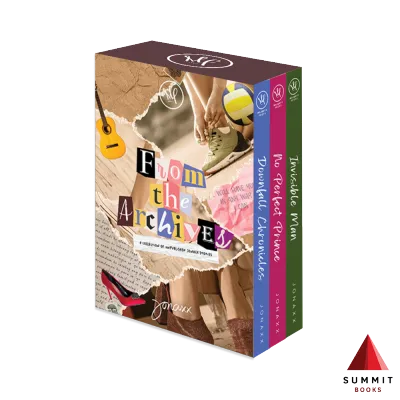
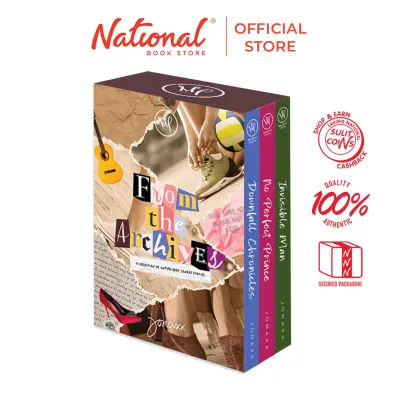
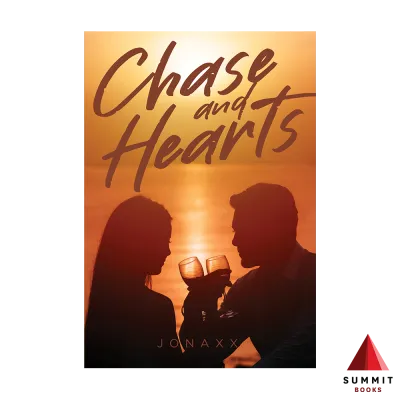
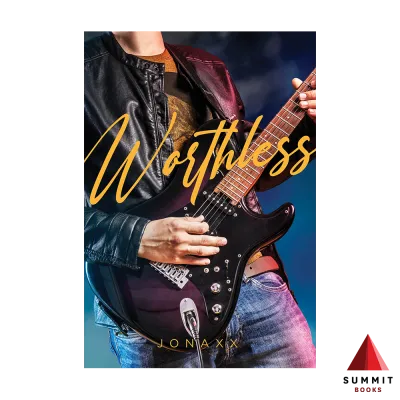
Products mentioned in this guide


![End This War by Jonaxx [2023 Reprint]](https://img.lazcdn.com/g/p/1cef1eafa6af11f325ddd3d323396755.png_400x400q80.png_.webp)
![Baka Sakali by Jonaxx [2023 Reprint]](https://img.lazcdn.com/g/p/84971bd21fbc345c2619783317f40c6f.png_400x400q80.png_.webp)
Prices are valid at publication and may change. Please refer to the product page for the latest price.
When a web novel gains immense popularity, local publishing houses often acquire the rights to print physical editions. During this transition from screen to paper, the text undergoes professional editing. However, publishers must decide whether to preserve the original Taglish style to satisfy the existing fanbase or to commission a complete English translation to expand the book’s reach. Consequently, the market contains multiple versions of the same title: the original digital draft, a polished Taglish print edition, and occasionally, a fully translated English edition.
For non-Tagalog speakers, relying on the original drafts can lead to confusion, as key emotional turning points, cultural nuances, and humorous banter are often delivered in Tagalog. While some readers attempt to use machine translation tools to read the digital versions, these tools frequently struggle with the informal grammar and localized slang characteristic of Taglish. Therefore, setting realistic expectations is crucial. Rather than assuming every title in the author’s catalog is readily available in English, readers must accept that only select titles have received official, high-quality English translations.
How to Identify and Verify English Editions
Because different editions of the same novel often share identical cover art and titles, verifying the language of a book before making a purchase is a vital skill. Online marketplaces and digital bookstores do not always categorize these books perfectly, occasionally listing a Taglish book under the general English category simply because the title is in English. To avoid the disappointment of receiving a book you cannot fully read, you must establish a systematic verification routine.

First, always scrutinize the publisher’s official book description and product metadata. Reputable online bookstores and publishers will explicitly state the language of the text in the product specifications section. Look for clear labels such as “Language: English” or “Translated Edition.” If the description is vague or missing language details, treat it as a red flag and investigate further before adding the item to your shopping cart.
Second, take advantage of digital previews and sample chapters whenever they are available. Most major digital reading platforms and online book retailers offer a preview feature that allows you to read the first few pages of a book. Use this opportunity to scan the dialogue and narrative prose. If the characters speak in a mix of languages within the first chapter, or if the narration relies heavily on untranslated regional terms, you are looking at the original or polished Taglish edition rather than a dedicated English translation.
Third, utilize the International Standard Book Number (ISBN) as a definitive verification tool. Every unique edition of a book—whether paperback, hardback, or ebook—is assigned a specific ISBN. By locating the ISBN on the retailer’s page and cross-referencing it on the official website of the publisher, you can confirm the exact language specifications of that specific print run. This step is particularly useful when buying from third-party sellers on ecommerce platforms, where product titles can sometimes be misleading.
Navigating Popular Themes and Series for English Readers
The author’s extensive catalog is famous for its distinct thematic universes, which range from high-society family dramas and intense campus romances to stories set against the backdrop of aviation, law, and medicine. While these themes are universally appealing, English readers must navigate them with care. The availability of English translations is not uniform across all themes or series, meaning your choice of where to start will be guided as much by language availability as by your personal genre preferences.
When exploring these thematic universes, it is helpful to know that the author’s works are rarely completely isolated. Characters from one novel frequently appear as mentors, siblings, or rivals in another, creating a rich, interconnected world. For an English reader, this interconnectedness can be both exciting and challenging. If you become deeply invested in a particular character group, you must be prepared for the possibility that some character arcs may only be fully resolved in books that have not yet been translated into English.
Evaluating Standalone Novels vs. Interconnected Series
When planning your entry point, one of the most critical decisions is whether to start with a standalone novel or to dive into a multi-book series. Standalone novels are highly recommended for beginners who prefer English. These self-contained stories offer a complete narrative arc within a single volume, ensuring that you experience a satisfying conclusion without needing to track down subsequent translated titles. Because they require less long-term commitment from both the reader and the publisher, standalone titles are often excellent candidates for high-quality, complete English translations.
In contrast, committing to an interconnected series requires a more cautious approach. Many of the author’s most famous series consist of multiple volumes, each focusing on a different couple within the same social circle or family. While the first book in a series might have a widely available English edition, the publisher may still be in the process of translating the sequels. This can lead to a frustrating experience where you finish the first book on a cliffhanger or with a strong desire to read the next character’s story, only to find that the subsequent volumes are currently only accessible in their original Taglish format.
To mitigate this risk, always research the translation status of the entire series before purchasing the first book. If you discover that only the first few books of a long series have official English editions, you can make an informed decision: either enjoy those books as independent experiences, or wait until the publisher completes the translation of the entire set. If you prefer uninterrupted reading, prioritizing completed, fully translated series is always the safest strategy.
Checking Companion Books and Spin-offs
As you explore the various series, you will undoubtedly encounter companion books, spin-offs, and special novella editions. These works are designed to expand the lore of the main series, often providing valuable context about a character’s past or showing what happens after the main story ends. However, these supplementary materials are frequently treated differently by publishers when it comes to translation priorities.
Because companion books and spin-offs typically target the most dedicated segment of the fanbase, publishers often release them in limited print runs and may opt to keep them in the original Taglish to match the language of the initial web release. This means that even if a main series is fully translated into English, its companion novella might remain untranslated. Before purchasing any supplementary book, never assume its language matches the main series. Always perform the same rigorous language checks on the companion title’s product details to ensure it meets your reading preferences.
Where to Source and Purchase Authentic Copies
Sourcing authentic copies of these novels is crucial not only for ensuring a high-quality reading experience but also for supporting the author and the publishing industry. Because of the immense popularity of these works, the market is unfortunately flooded with unauthorized prints, counterfeit copies, and poorly formatted digital files. Knowing where to shop guarantees that you receive a professionally edited, complete translation.
Your first choice should always be established physical bookstores and their official online storefronts. Major book retailers in the Philippines regularly stock official English editions of popular local romance novels. Many of these retailers have robust online platforms that offer international shipping, making it possible for readers outside the country to order physical paperbacks safely. When budgeting for your purchase, keep in mind that prices are typically listed in Philippine pesos (₱), and international shipping fees will vary depending on your location. When shopping on large ecommerce platforms, always look for the official store or verified mall badge on the seller’s profile to ensure you are buying directly from the publisher or an authorized distributor.
Avoid purchasing from unverified third-party sellers who offer extremely low prices, as these are often counterfeit physical prints with missing pages, blurry text, and poor binding. Similarly, steer clear of websites offering free PDF downloads of these novels. These files are almost always unauthorized, and they frequently consist of raw, unedited web drafts or inaccurate machine translations that do not reflect the quality of the official published work. By investing in authentic copies, you enjoy a superior reading experience while contributing to the demand that encourages publishers to translate more local literature into English.
Frequently Asked Questions (FAQ)
Are there official English audiobooks available for her novels?
Currently, official English-language audiobooks for these novels are extremely rare. While digital audio platforms have grown in popularity, most audio adaptations of local romance novels are produced primarily for the domestic market, meaning they retain the original Taglish dialogue and narration to preserve the authentic voice of the characters. If you prefer listening to books, always check the language metadata and listen to the audio sample provided on the platform before purchasing. This will help you verify whether the narration is fully in English or if it utilizes the original code-switched script.
Can I rely on fan translations found on reading apps?
Relying on fan translations hosted on unofficial reading apps or online forums is not recommended. While these translations are often created by passionate community members, they lack professional editing, which frequently results in grammatical errors, mistranslated cultural idioms, and inconsistent character voices. Furthermore, fan translation projects are often left incomplete if the translator loses interest or faces copyright claims. Supporting official English releases ensures you read a complete, polished, and accurate version of the story while directly supporting the author’s work.
Community discussion
Share your experience or ask a question. Comments are reviewed before publication.