
Finding the perfect Philippine romance pocketbook in Tagalog or English is a journey through rich emotional landscapes, relatable cultural settings, and deeply satisfying story arcs. These compact novels have long been a staple of local popular culture, offering readers an affordable escape during long transits on public utility vehicles or quiet afternoons in tropical weather. Navigating the vast catalog of publishers like Precious Hearts Romances (PHR) requires understanding your own reading preferences, language comfort levels, and preferred narrative tropes. By focusing on structured selection criteria, you can easily build a personalized reading list that delivers exactly the kind of emotional resonance or lighthearted entertainment you seek.
The local romance genre has evolved from simple love stories into a diverse literary ecosystem that reflects the changing realities of modern life. Today, readers can choose between traditional print editions that evoke nostalgia and digital formats that offer instant accessibility. Whether you are a lifelong collector or a newcomer curious about local storytelling, understanding how to evaluate these books ensures a rewarding reading experience. This guide provides the essential tools to help you navigate the landscape, identify authentic editions, and select stories that align with your current reading goals.
Understanding the Local Romance Pocketbook Landscape
Philippine romance pocketbooks are defined by their distinct physical format, accessibility, and deep connection to local cultural values. Traditionally, these books are printed in a compact, lightweight size that fits easily into a small bag or pocket, making them highly portable for daily commutes. They are typically printed on budget-friendly newsprint or cream paper, which keeps production costs low and allows publishers to offer them at highly accessible price points. This affordability has democratized reading, making literature a common leisure activity across various socio-economic backgrounds.
Products mentioned in this guide
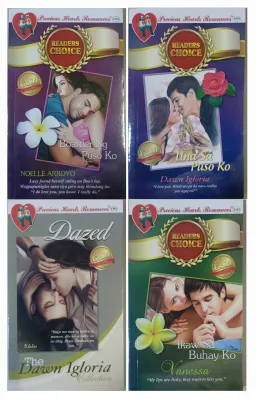
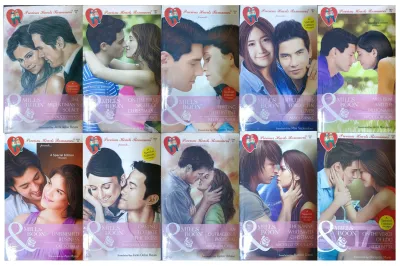
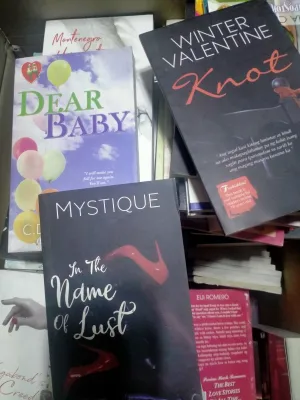
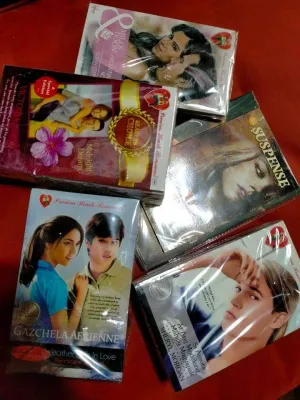


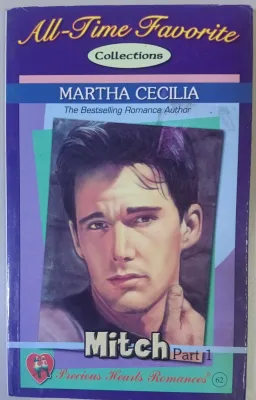
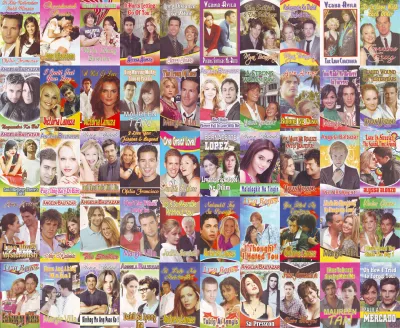
Prices are valid at publication and may change. Please refer to the product page for the latest price.
The narrative styles of local romance novels vary significantly depending on the language of publication. Tagalog pocketbooks often employ a highly expressive, emotionally resonant prose style that captures the nuances of local courtship, family dynamics, and societal expectations. These stories frequently utilize traditional romantic themes, emphasizing deep emotional connections, perseverance through adversity, and the ultimate triumph of love. The language in these editions can range from classic, poetic Tagalog to more contemporary, conversational phrasing, depending on the target audience and the author’s personal style.
In contrast, local English romance novels generally cater to a different demographic, often featuring urban settings, corporate environments, and modern relationship dynamics. The dialogue in these books reflects the contemporary conversational patterns of young professionals in metropolitan areas, blending local cultural expectations with globalized lifestyles. While the language is English, the stories remain distinctly local, integrating familiar geographic landmarks, cultural references, and societal challenges that resonate with modern readers.
The evolution of the genre has also seen a significant shift from physical print dominance to digital reading platforms. While physical pocketbooks remain highly collectible and beloved by traditionalists, digital publishing has expanded the reach of local romance. Readers can now access extensive backlists and new releases through dedicated e-book applications and publisher-owned digital storefronts. This digital transition has made it easier for overseas readers and tech-savvy locals to enjoy these stories without the limitations of physical distribution.
Key Criteria for Selecting Your Next Read
Choosing your next romance pocketbook involves evaluating several key dimensions to ensure the story matches your current mood and reading preferences. The first major consideration is the language and dialogue style of the book. Some readers prefer the rich, poetic flow of traditional Tagalog, which offers a deep immersion into classic romantic prose. Others find conversational Taglish more relatable, as it mirrors the natural blend of English and Tagalog used in daily conversations in urban centers. For those who prefer reading in English, local English novels provide a smooth, accessible experience while maintaining a distinct cultural identity.

Another critical factor is the selection of tropes and themes that align with your interests. The local romance genre utilizes a wide variety of storytelling devices, such as arranged marriages, office romances, second-chance encounters, and enemies-to-lovers dynamics. Arranged marriage storylines often explore the tension between duty and personal desire, a theme that holds significant weight in family-centric cultures. Office romances highlight the challenges of balancing professional ambition with personal relationships within local corporate structures. Identifying your preferred tropes can help narrow down the vast catalog of available titles to those most likely to satisfy your reading tastes.
Content ratings and maturity levels are also essential criteria to check before making a purchase. Publishers typically categorize their books based on the intensity of the romance and the maturity of the themes. These ratings can range from sweet, wholesome stories suitable for all ages to highly sensual, mature romances intended strictly for adult readers. Checking the publisher’s labels, back-cover blurbs, or online content warnings helps ensure that the book’s content boundaries align with your personal comfort levels and reading expectations.
Finally, considering the author’s writing style and reputation can guide your selection. Many established authors have developed distinct narrative voices, with some specializing in high-angst drama while others excel at lighthearted romantic comedies. Reading reviews from trusted community groups or exploring short previews on digital platforms can provide valuable insights into an author’s style, helping you make an informed decision before investing in a physical or digital copy.
Where to Find and Purchase Philippine Romance Pocketbooks
Sourcing authentic Philippine romance pocketbooks requires navigating both physical and digital retail spaces while being mindful of unauthorized reproductions. Physical bookstores remain a traditional and reliable option for finding these novels. Major national bookstore chains across the country regularly stock local romance pocketbooks, often dedicating specific shelves or entire sections to Tagalog novels and local imprints. Visiting these physical locations allows you to browse the covers, read the back blurb, and assess the physical quality of the book before purchasing.
For online shopping, it is crucial to utilize official publisher storefronts and authorized distributors on major ecommerce platforms. Many established publishers maintain verified official stores on these platforms, ensuring that your purchase directly supports the creators and the publishing house. When browsing online marketplaces, look for verified seller badges, official store designations, and positive customer reviews. Avoid purchasing from unverified individual sellers offering suspiciously low prices, as these listings may involve pirated physical copies or unauthorized digital scans.
Digital platforms offer a convenient and secure alternative for readers who prefer e-books or have limited access to physical bookstores. Many local publishers have developed proprietary reading applications and digital storefronts where readers can purchase individual titles or subscribe to reading plans. These legitimate digital platforms provide instant access to a vast library of new releases and classic backlist titles that may no longer be available in print. Utilizing official digital channels guarantees high-quality formatting and directly contributes to the sustainability of the local writing community.
Additionally, community-led book swaps and independent local libraries can be excellent resources for finding out-of-print classics. Engaging with online reader communities and social media groups dedicated to local romance can help you discover trusted independent sellers who specialize in sourcing rare or vintage pocketbooks. Always verify the seller’s reputation within the community to ensure a safe and satisfactory transaction.
Building a Condition-Based Reading Shortlist
To help you navigate the extensive selection of local romance pocketbooks, it is helpful to categorize potential reads based on your current reading goals and emotional needs. If your primary goal is emotional escapism and relaxation, look for titles that emphasize lighthearted comfort, humor, and low-angst plotlines. These stories typically feature relatable, witty protagonists, playful banter, and predictable yet highly satisfying romantic arcs. Seeking out books labeled as romantic comedies or sweet romances can provide the perfect antidote to a stressful day, offering a comforting and uplifting reading experience.
For readers who crave a more intense and emotionally demanding experience, focusing on character-driven drama is the ideal approach. These pocketbooks feature deeper emotional arcs, complex family dynamics, and high-stakes personal conflicts. The characters in these stories often face significant obstacles, such as societal expectations, past traumas, or difficult moral choices, which require substantial personal growth before a resolution can be reached. The pacing in these novels is often more deliberate, allowing the emotional tension and character development to build gradually, resulting in a highly rewarding and impactful conclusion.
If you are using local romance pocketbooks as a tool for language practice and fluency, your selection should be guided by your current language proficiency. For those looking to improve their Tagalog vocabulary and comprehension, starting with conversational Taglish pocketbooks can help bridge the gap between formal grammar and everyday spoken language. As your confidence grows, transitioning to classic Tagalog romance novels will expose you to richer, more descriptive prose and traditional linguistic structures. Conversely, local English pocketbooks are excellent for understanding how English is naturally adapted and spoken within a distinct cultural context, highlighting local idioms and conversational nuances.
By aligning your book selection with these specific conditions, you can create a curated reading list that serves your immediate emotional or educational needs. This structured approach prevents decision fatigue when browsing large catalogs and ensures that every book you start is well-suited to your current state of mind.
Frequently Asked Questions (FAQ)
Are PHR romance pocketbooks still being published in print?
Yes, physical print runs continue for popular series, special collector’s editions, and new releases by established authors. However, due to shifting consumer habits and rising printing costs, many publishers have adopted a hybrid model. This includes print-on-demand options for specific titles and a stronger focus on digital-first releases, making it beneficial to follow official publisher social media pages for printing announcements.
How can I tell if a pocketbook is an original or a pirated copy?
Original physical pocketbooks feature crisp cover printing, high-resolution graphics, secure binding glue, and standard newsprint or cream paper. Pirated copies often have blurry, pixelated covers, uneven margins, frequent typographical errors, and a strong chemical smell from cheap ink or glue. Digitally, avoid downloading unauthorized PDF or EPUB files from file-sharing sites; instead, use official publisher apps and verified e-book stores to ensure authors receive their rightful royalties.
Do local English romance pocketbooks differ from international romance novels?
Yes, local English romances are deeply rooted in the Philippine cultural context. While they share universal romance tropes, they integrate distinct local elements such as close-knit family structures, traditional courtship values, local geographical settings, and workplace dynamics unique to the country. The characters navigate societal expectations and family obligations that are highly relatable to local readers, setting these books apart from Western romance novels.
Community discussion
Share your experience or ask a question. Comments are reviewed before publication.