
Finding the perfect witchcraft book in the Philippines involves navigating a unique literary intersection. Readers can choose between Western-style spellcasters and rich, indigenous magical practices rooted in Philippine folklore, such as kulam and barang. Whether you prefer the fast-paced allure of young adult urban fantasy or the atmospheric depth of historical horror, selecting the right novel requires understanding subgenres, verifying book formats, and knowing where to source authentic editions.
As speculative fiction continues to grow in popularity, local and international authors are expanding the boundaries of what a witchcraft book can be. For readers in the Philippines, this means access to a diverse array of stories that range from classic gothic tales to contemporary urban adventures set in the heart of Manila. By understanding the distinct themes, language options, and physical formats available, you can build a highly satisfying personal library that celebrates both global and local magical traditions.
Understanding Witchcraft Fiction Themes and Subgenres
Witchcraft fiction is a broad and diverse category, encompassing everything from whimsical magical realism to dark, suspenseful horror. Before diving into online catalogs or bookstore shelves, it is highly beneficial to identify which specific subgenres align with your reading preferences. This clarity will help you filter search results and find stories that truly resonate with your imagination.
Products mentioned in this guide
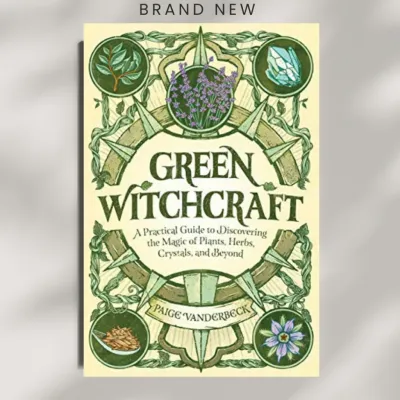
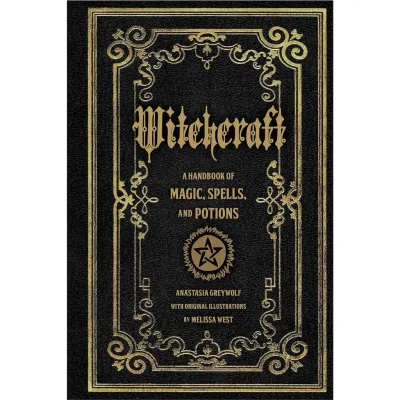
![[Brand New] Green Witchcraft: A Practical Guide to Discovering the Magic of Plants Herbs Crystals and Beyond by Paige Vanderbeck (Paperback)](https://img.lazcdn.com/g/p/5d29924eb503bf3bf89808a23beedd24.jpg_400x400q80.jpg_.webp)
![[Brand New] Bucklands Complete Book of Witchcraft by Raymond Buckland (Paperback)](https://img.lazcdn.com/g/p/bad1b63610bcde006d45ea19a37957aa.jpg_400x400q80.jpg_.webp)
![[Brand New] The Complete Book of Black Magic and Witchcraft: Including the rituals of Ceremonial Magic Exorcism True Sorcery and Infernal Necromancy by Shadow Books (Paperback)](https://img.lazcdn.com/g/p/3253a5642f434845423fc12385cfcf69.jpg_400x400q80.jpg_.webp)
Prices are valid at publication and may change. Please refer to the product page for the latest price.
Contemporary urban fantasy is one of the most popular subgenres in modern speculative fiction. These stories bring magic into the modern world, often setting magical conflicts in bustling, recognizable cities. In a local context, this might involve a protagonist navigating the heavy traffic of Epifanio de los Santos Avenue (EDSA) while secretly practicing ancestral rites or defending the city from supernatural threats. These novels seamlessly blend modern technology, urban lifestyles, and ancient spellcraft, creating a fast-paced and highly relatable reading experience.
Historical witchcraft fiction, on the other hand, transports readers to past eras to explore the origins of magical practices and the societal reactions to them. These narratives often focus on the tension between traditional healers and colonial or religious authorities. In international works, this frequently takes the form of Salem-style witch trials or medieval European folklore. In Philippine-authored historical fiction, these stories often delve into the pre-colonial era or the Spanish colonial period, highlighting how indigenous spiritual leaders, or babaylan, resisted foreign imposition through their deep connection to nature and the spirit world.
Another crucial distinction lies in local folklore-inspired magic versus Western witchcraft tropes. Western narratives typically feature familiar elements such as covens, grimoires, elemental spellcasting, and gothic aesthetics. Conversely, local folklore-inspired works draw from a rich tapestry of regional beliefs, featuring practitioners of kulam (folk magic) or barang (sorcery). These stories often incorporate local mythical creatures like diwata (nature spirits) and engkanto (elves or environmental spirits), offering a unique cultural perspective that sets them apart from standard fantasy releases.
Finally, readers must choose between young adult (YA) and adult witchcraft fiction. YA novels generally focus on themes of self-discovery, identity, and coming-of-age, featuring younger protagonists who are just discovering their magical abilities. The magic systems in YA fiction tend to be highly accessible, and the plots are often driven by romance, friendship, and adventure. Adult witchcraft fiction, by contrast, explores more complex and sometimes darker themes. These books often feature intricate political structures, morally grey characters, and detailed magic systems that require a higher level of reader engagement and emotional investment.
Key Factors to Check Before Buying English and Tagalog Novels
Once you have identified your preferred subgenres, the next step is to evaluate the specific editions and formats available in the market. Making informed choices at this stage ensures that you receive a high-quality book that fits your lifestyle, budget, and reading habits.

The first factor to consider is the language edition of the novel. Witchcraft books in the Philippine market are primarily available in English, Tagalog, or a natural blend of both, commonly referred to as Taglish. If you are purchasing a translated work, it is essential to verify the quality of the translation. A poor translation can strip a story of its atmospheric tension and cultural nuances. Look for editions translated by reputable professionals, and check reader reviews to see if the translation maintains the flow and emotional impact of the original text. For local novels, choosing between Tagalog and English often depends on your personal comfort level and how you prefer to experience the rhythm of the dialogue.
The physical or digital format of the book is another critical decision point. Physical formats, such as paperbacks and hardcovers, offer a classic tactile experience that many collectors cherish. Hardcovers are highly durable and make excellent display pieces, though they are generally more expensive and heavier to carry. Paperbacks are more affordable and portable, making them ideal for daily commutes. If you prefer digital reading, ensure that the ePub or PDF files you purchase are compatible with your specific e-reader, tablet, or smartphone. Digital books are highly convenient, allowing you to carry an entire library in your pocket, but they require a reliable device and compatible reading software.
Before finalizing any purchase, always check for content warnings, age ratings, and page counts. Witchcraft fiction can sometimes delve into intense themes, including psychological distress, ritualistic violence, or mature relationships. Reputable publishers usually list content warnings on the book’s back cover, copyright page, or official website. Checking these details beforehand ensures that the content is appropriate for your comfort level. Additionally, reviewing the page count helps you manage your reading expectations; a massive 600-page epic requires a different time commitment than a concise 200-page novella.
How to Build a Condition-Based Shortlist for Your Collection
With thousands of titles available, building a curated shortlist helps you focus on books that offer the highest quality and alignment with your reading goals. By establishing clear criteria, you can avoid impulse purchases and assemble a collection that you will treasure for years.
Start by setting criteria for how local folklore is integrated into the narrative. If you are specifically looking to explore Philippine mythology, prioritize books that treat indigenous magic systems with respect and depth. Look for stories that go beyond surface-level references and instead weave local beliefs, regional dialects, and historical contexts directly into the plot. If you prefer Western witchcraft, look for novels that offer fresh takes on classic tropes, such as unique magic systems or diverse character representation, rather than repeating predictable formulas.
Evaluating the author’s background and the publisher’s reputation is another excellent way to filter your choices. Supporting local independent publishers and university presses is a fantastic way to discover high-quality, well-researched speculative fiction. These institutions often have rigorous editorial standards, ensuring that the books they publish are polished and culturally authentic. Researching the author can also provide valuable context; writers who have a background in folklore, history, or creative writing often bring a deeper level of craftsmanship to their world-building and character development.
To gauge the actual reading experience of a book, leverage community feedback and online forums. Websites like Goodreads, local book blogging sites, and dedicated social media reading groups are excellent resources for honest reviews. Look for discussions regarding the consistency of the book’s magic system, the pacing of the plot, and whether the ending feels earned. Pay attention to reviews from readers who share your specific tastes, as their insights can help you determine if a book is worth your time and money.
Where to Source and Verify Authentic Copies
Sourcing your books from legitimate channels is crucial for supporting authors and publishers, ensuring that they can continue creating the stories you love. It also guarantees that you receive a high-quality product free from printing defects.
Always prioritize purchasing from official brand stores, established local bookstore chains, and authorized online retailers. These sellers work directly with publishers and distributors, guaranteeing that every copy sold is authentic. While it can be tempting to browse open online marketplaces for cheap listings, these platforms are often flooded with unauthorized, pirated reproductions. Buying from authorized sellers ensures that your money directly supports the creative industry.
To protect yourself from purchasing pirated physical books, learn to identify common red flags. Pirated books are often sold at unusually low prices, such as a popular new release listed for only ₱100 to ₱150 when the standard retail price is closer to ₱500 or more. Physical indicators of piracy include blurry or pixelated cover art, low-grade paper that feels unusually thin or rough, uneven margins, and text that is tilted or faded. Authentic books will always feature crisp printing, high-quality paper, and clear publisher logos and ISBN barcodes on the back cover.
When ordering books online, take the time to review the seller’s shipping and return policies. Physical books are delicate and can easily be damaged by moisture or rough handling during transit, which is a particularly important consideration during the rainy season in the Philippines. Look for sellers who use secure, water-resistant packaging, such as bubble wrap or cardboard boxes. Additionally, verify that the store has a clear return or refund policy in case your book arrives with missing pages, printing errors, or physical damage.
Caring for Your Books and Engaging with the Community
Once you have acquired your chosen witchcraft novels, proper care and community engagement can significantly enhance your overall reading journey. Taking care of your physical books ensures they remain in pristine condition, while connecting with fellow readers opens up new avenues for literary discovery.
The tropical climate of the Philippines, characterized by high humidity and warm temperatures, requires specific book preservation strategies. To prevent page yellowing, cover warping, and mold growth, store your physical books in a cool, dry, and well-ventilated area. Avoid placing your bookshelves in direct sunlight, as UV rays can quickly fade cover art and dry out book bindings. Leave small gaps between books on your shelves to promote airflow, and place silica gel packets in your storage areas to help absorb excess moisture from the air.
Engaging with the local reading community is one of the most rewarding aspects of being a book lover. Consider joining local book clubs, participating in online reading challenges, or attending literary festivals and author signings. These platforms provide excellent opportunities to discuss your favorite witchcraft novels, share theories, and discover hidden gems that you might not find in mainstream bookstore displays. Engaging with other fantasy enthusiasts also keeps you informed about upcoming releases and independent publishing events.
Finally, maintaining an organized reading journal or digital wishlist is a highly effective way to manage your collection. Tracking your reading progress allows you to reflect on the themes and characters you enjoyed most, helping you refine your future book selections. A well-maintained wishlist also prevents impulse buying and ensures you are ready to purchase highly anticipated titles or restocked local editions as soon as they become available.
Frequently Asked Questions (FAQ)
Are there specific content warnings I should look for in witchcraft novels?
Yes, witchcraft novels often explore mature and intense themes that may not be suitable for all readers. When browsing for titles, look for content warnings related to psychological horror, ritualistic violence, or dark supernatural elements. Local folklore-inspired horror, in particular, can feature intense depictions of curses, physical ailments, and ancestral conflicts that are significantly darker than the whimsical magic found in standard young adult fantasy. You can verify these warnings by checking the book’s copyright page, the publisher’s official website, or community-driven review platforms where readers compile detailed content tags.
How can I support local authors writing in Tagalog?
Supporting local authors who write speculative fiction in Tagalog is essential for preserving and growing the country’s unique literary voice. The most direct way to support them is by purchasing their books from independent local publishers, university presses, or official author websites. Attending local book fairs and indie publishing events allows you to buy directly from the creators, ensuring they receive the maximum benefit from their work. Additionally, leaving detailed, verified reviews on retail sites and sharing your recommendations on social media platforms helps boost the visibility of Tagalog fantasy novels, introducing them to a wider audience of eager readers.
Community discussion
Share your experience or ask a question. Comments are reviewed before publication.