
Finding the right snare drum for a child in the Philippines requires balancing physical development with the instrument’s physical dimensions. A drum that is too large or heavy can quickly lead to physical fatigue, poor posture, and a loss of interest in practicing.
By matching the snare drum’s diameter and depth to your child’s current height and arm span, you ensure they can play comfortably, develop proper stick technique, and enjoy their musical journey. Whether your child is a toddler exploring rhythm or a pre-teen preparing for a school marching band, selecting an age-appropriate instrument sets a solid foundation for their musical growth.
Why Age and Physical Size Matter for Young Drummers
Drumming is a highly physical, full-body activity that relies on repetitive motions and precise coordination. When a child plays on an incorrectly sized snare drum, they must constantly adjust their body to reach the playing surface.
Products mentioned in this guide
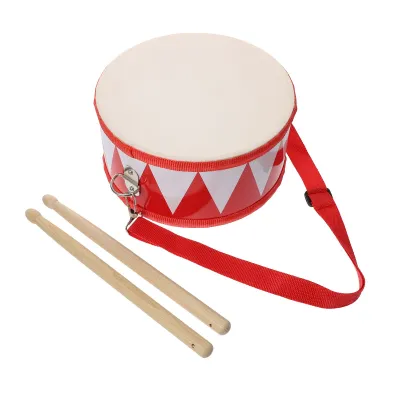
Prices are valid at publication and may change. Please refer to the product page for the latest price.
This compensation often leads to poor posture, characterized by hunched shoulders, a curved spine, and a tilted neck. Over time, these awkward angles can cause significant back strain and shoulder tension, turning what should be a fun creative outlet into a source of physical discomfort.
The length of a child’s arms directly dictates their reach and control over the drumsticks. If a snare drum is too wide or positioned too far away, the child is forced to fully extend their arms to strike the center of the drumhead.
This overextension eliminates the natural bend in the elbows and wrists, which is essential for utilizing stick rebound. Without rebound, the child must use their entire arm to lift and drop the stick, leading to rapid fatigue and making it incredibly difficult to develop speed, control, or proper hand technique.
Furthermore, the physical weight of the drum and its supporting hardware plays a major role in a young student’s motivation. Heavy, professional-grade snare drums require sturdy, heavy-duty stands that can be difficult for a child to adjust, carry, or set up independently.
If a child cannot manage their own equipment, they may become discouraged and view practice sessions as an exhausting chore. Choosing a lightweight, scaled-down instrument empowers young drummers to take ownership of their practice space, sustaining their interest and enthusiasm over the long term.
Snare Drum Sizing Guide by Age Group
Selecting an appropriate snare drum involves understanding how diameter and depth combine to determine the instrument’s overall weight, volume, and playability. While chronological age serves as a convenient starting point, a child’s physical height and arm length are far more accurate indicators of which drum size will support healthy playing habits.

Toddlers and Preschoolers (Ages 3–5)
For the youngest aspiring percussionists, the primary goal is to encourage rhythmic exploration without overwhelming their small frames. Snare drums with a diameter of 8 to 10 inches and a shallow depth of 3 to 5 inches are ideal for this age group.
These compact dimensions keep the drum incredibly lightweight and easy to position on a low table or a specialized small-scale stand, ensuring the child can reach the center of the head without straining.
At this developmental stage, it is crucial to distinguish between functional musical instruments and non-tunable toys. Many toy drums feature cheap plastic heads stretched over cardboard or thin plastic shells that cannot be tuned and produce a harsh, uninspiring sound.
A true, small-scale snare drum features real wooden or synthetic shells, tunable tension rods, and a functional snare strainer. Investing in a real, scaled-down instrument teaches children that their actions directly influence the quality of the sound, fostering a deeper appreciation for the instrument.
Early Elementary (Ages 6–9)
As children enter early elementary school, their physical coordination and arm span increase, allowing them to transition to slightly larger instruments. Snare drums with a 10 to 12-inch diameter offer a much richer, more authentic snare tone while keeping the overall weight highly manageable.
This size range allows young students to begin practicing basic rudiments and dynamic control on a surface that responds accurately to subtle changes in stick pressure.
To support this transition, parents should look for highly adjustable, lightweight snare stands. Standard adult snare stands often cannot be lowered enough to accommodate a seated child of this age, forcing them to play with their hands positioned awkwardly high.
A lightweight stand designed for smaller drums can be adjusted to a much lower height, keeping the drumhead level with the child’s midsection. Additionally, ensure the snare strainer mechanism—the lever that engages and disengages the snare wires—is smooth and easy for smaller hands to operate independently.
Pre-Teens and Older Beginners (Ages 10–12+)
By the time a child reaches age ten, they are often physically ready to transition to a standard 14-inch diameter snare drum. This is the universal size used in school concert bands, marching bands, and standard drum kits, making it the logical choice for older beginners who are serious about their musical education.
A 14-inch drum provides the full range of tonal expression, allowing students to master advanced techniques like rimshots and cross-sticking.
When choosing a 14-inch snare, pay close attention to the shell depth, as this dimension significantly impacts both the drum’s weight and its sound. A shallow shell, such as a 5-inch depth, is lighter and easier to transport, making it an excellent choice for students who need to carry their instrument to school.
A deeper 6.5-inch shell produces a deeper, more powerful tone but adds noticeable weight. Parents should assess their child’s physical ability to lift, transport, and set up the heavier hardware associated with these full-sized drums before making a final decision.
Key Features to Check Before Buying
When evaluating snare drums for young players, understanding the structural components of the instrument helps you make an informed decision without relying on brand names. The materials and hardware configuration directly influence how the drum sounds, how much it weighs, and how easy it is to maintain.
The shell material is the foundation of the drum’s weight and acoustic projection. Wood shells, such as maple, birch, or mahogany, are popular for their warm, balanced tones. However, in the tropical climate of the Philippines, high humidity levels can cause wood to absorb moisture, potentially leading to warping or changes in tuning stability if the shell is not properly sealed.
Metal shells, such as steel or aluminum, offer bright, crisp projection and are highly durable. Aluminum is particularly advantageous for younger players because it is significantly lighter than steel while remaining highly resistant to humidity-induced corrosion.
The hoops, which clamp the drumhead to the shell, also play a critical role in playability and weight. Triple-flanged hoops are the most common choice for student drums; they are lightweight, flexible, and offer a softer feel under the sticks, which is gentler on a child’s wrists.
Die-cast hoops are much heavier and stiffer, providing exceptional tuning stability and loud, cutting rimshots. For most children, triple-flanged hoops are preferred because they keep the overall weight of the drum low and make tuning adjustments more forgiving for beginners.
Finally, examine the sensitivity of the snare wires and the responsiveness of the strainer mechanism. Snare wires, located on the bottom head, vibrate when the top head is struck, creating the characteristic “buzz” of a snare drum.
For home practice, especially in close-knit residential areas or subdivisions in the Philippines, a highly sensitive snare response is essential. This sensitivity allows the drum to produce a clear, crisp snare sound even when the child is practicing quietly at low volumes, preventing them from having to strike the drum forcefully just to hear the snares engage.
Essential Accessories and Setup Adjustments
A quality snare drum is only effective if it is paired with the right accessories and adjusted to fit the child’s body. Proper setup prevents physical strain and ensures that practice sessions are both safe and productive.
Selecting the correct drumstick size is the first step in protecting a young drummer’s wrists and hands. Standard adult sticks, such as 5B or 2B models, are thick and heavy, which can quickly cause wrist fatigue and strain in developing muscles.
Instead, look for lighter, thinner sticks, such as 7A models or specialized kid-sized sticks. These lighter sticks allow children to maintain a relaxed grip, encouraging the development of proper finger and wrist control rather than relying on forearm strength to move the stick.
Once you have the right sticks, take the time to adjust the height and angle of the snare stand. Whether your child prefers to practice seated or standing, the top rim of the snare drum should sit approximately level with their belt line or belly button.
When seated, their thighs should be parallel to the floor or angled slightly downward, with their feet resting flat. The drum itself should be kept relatively flat; a slight tilt toward the player is acceptable, but excessive angling can lead to poor wrist mechanics and accidental rim strikes.
Because acoustic snare drums are naturally high-decibel instruments, hearing protection is an essential safety measure for every practice session. Prolonged exposure to loud drumming can lead to irreversible hearing damage, especially in children whose ear canals are still developing.
Invest in high-quality, child-sized passive earmuffs or high-fidelity earplugs designed to lower the volume evenly across all frequencies. Ensure the hearing protection fits snugly and comfortably on your child’s head so they are willing to wear it every time they pick up their sticks.
Where to Buy and What to Verify
Acquiring a snare drum in the Philippines involves choosing between the hands-on experience of local music shops and the convenience of online music retailers. Visiting a physical store in major urban centers allows your child to try out different drum sizes, feel the weight of the instrument, and test the height adjustments of various stands in person.
Online retailers, on the other hand, often provide a wider selection of specialized student models and can deliver directly to your doorstep, which is highly convenient for families living outside major metropolitan areas.
When planning your purchase, it is wise to set a realistic budget in Philippine Pesos (₱) that accounts for the entire drumming setup. A basic, reliable student snare drum kit—including the drum, a lightweight stand, a pair of sticks, and basic hearing protection—typically ranges from ₱4,000 to ₱10,000.
Allocating your budget across these essential components, rather than spending the entire amount on the drum alone, ensures your child has a safe and complete environment to begin their learning journey.
Before finalizing your purchase or immediately upon receiving an online delivery, perform a thorough physical inspection of the equipment. Check the wooden or metal shell for any visible cracks, dents, or warping, which can permanently compromise the drum’s sound and structural integrity.
Ensure that all tension rods turn smoothly in their lugs and that the drumhead is seated evenly around the bearing edge. Finally, verify that the snare strainer lever operates smoothly without sticking, and confirm that all promised accessories, such as a tuning key and assembly instructions, are included in the package.
Frequently Asked Questions (FAQ)
Can a child use a regular 14-inch snare drum?
A child can transition to a standard 14-inch snare drum once they have reached a height and arm span that allows them to comfortably reach the center of the drumhead without leaning forward or raising their shoulders. Generally, this transition occurs around age 10 or when the child is at least 135 centimeters tall.
To make a 14-inch drum work for a younger or shorter player, you must use a highly adjustable snare stand that can lower the drum sufficiently to maintain proper ergonomic alignment. Keep in mind, however, that full-sized 14-inch drums and their corresponding heavy-duty stands are significantly heavier, which may make transport and independent setup difficult for smaller children.
Do electronic snare drums work better for kids practicing at home?
Electronic snare drums and practice pads are excellent alternatives for home practice, particularly in high-density residential areas in the Philippines where acoustic drum noise might disturb neighbors. Electronic pads allow for near-silent practice when paired with headphones, and many modules offer built-in metronomes and coaching functions that make learning engaging.
However, electronic pads do not fully replicate the natural stick rebound, physical feel, and subtle acoustic dynamics of a real drumhead. For a child to develop authentic hand technique and volume control, practicing on a real acoustic surface is highly beneficial, though a hybrid approach using both an acoustic snare and a quiet practice pad often provides a practical balance for home environments.

Community discussion
Share your experience or ask a question. Comments are reviewed before publication.