
The writings of Pope Francis offer a unique blend of deep theological insight and warm, pastoral encouragement. For readers seeking to deepen their spiritual practice, his books provide practical wisdom that addresses the realities of modern life, from environmental stewardship to the power of daily mercy. Navigating his extensive bibliography requires understanding the different styles of his works, ranging from formal papal documents to conversational interviews and daily devotionals. By matching his writings to your personal faith goals, you can establish a transformative reading routine that nourishes your spiritual journey.
How to Choose the Right Pope Francis Book for Your Spiritual Journey
Choosing the right book begins with identifying your current spiritual needs and matching them with the appropriate style of writing. Pope Francis communicates through various literary forms, each serving a distinct purpose in the life of a believer. Understanding these distinctions helps you select a text that aligns with your available time, reading habits, and personal devotion goals.
The first major category consists of formal magisterial documents, such as encyclicals and apostolic exhortations. These are official papal letters addressed to the global church, focusing on core aspects of faith, morals, and social teaching. They are structurally dense, highly organized, and deeply theological, making them well-suited for readers who want to study foundational church teachings or engage in structured group discussions.
Products mentioned in this guide
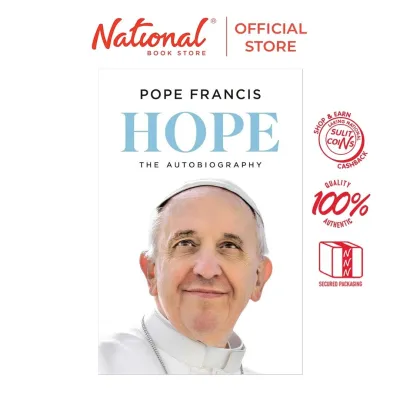
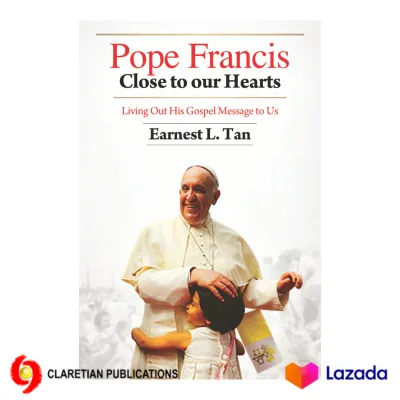
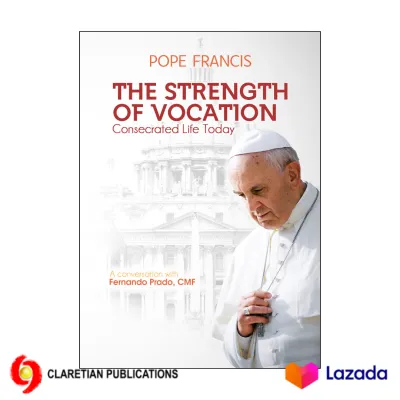
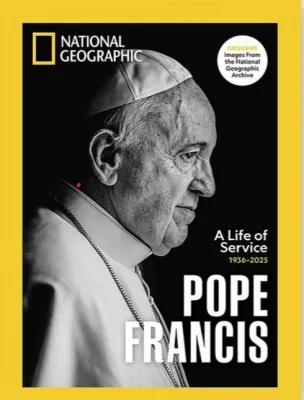
Prices are valid at publication and may change. Please refer to the product page for the latest price.
The second category includes informal spiritual reflections, compiled homilies, and book-length interviews. These works are highly accessible, written in a warm, conversational tone that feels like a personal dialogue with a spiritual director. They focus on practical Christian living, daily prayer, and the cultivation of virtues like hope and compassion, making them highly suitable for personal meditation and daily devotional practices.
To make an informed choice, assess your personal reading goals and the time you can realistically dedicate each day. If you are seeking to understand the church’s stance on global issues or social justice, a major encyclical is the appropriate choice. If you are looking for quick, inspiring passages to read during a busy commute or as part of your morning prayer routine, a compilation of daily reflections or homilies will be much more manageable.
Consider your comfort level with theological language as well. While Pope Francis is known for his direct and simple style, his official documents still contain complex theological arguments that require slow, meditative reading. Beginners may find it more rewarding to start with his conversational interview books before moving on to his formal magisterial writings.
Core Encyclicals and Exhortations for Foundational Faith
For those ready to explore the foundational teachings of Pope Francis, his core encyclicals and apostolic exhortations offer profound insights into living out the Gospel in the modern world. These documents address the critical challenges of our time, urging believers to integrate their personal faith with active love and social responsibility.

One of his most influential works focuses on the care for our common home, exploring the spiritual dimensions of environmental stewardship. This text connects the degradation of the natural world with social injustice, calling for an “integral ecology” that respects both humanity and the earth. It is particularly resonant for readers living in regions regularly affected by severe weather and tropical storms, where the impact of climate change is a visible, daily reality.
Another foundational document centers on the joy of sharing the Gospel, serving as a pastoral roadmap for church renewal. In this text, Pope Francis encourages believers to overcome spiritual lukewarmness and embrace a missionary spirit characterized by warmth, inclusivity, and active outreach to the margins of society. It is an excellent choice for parish leaders, catechists, and anyone seeking to revitalize their personal relationship with Christ.
For those looking for practical guidance on daily holiness, his exhortation on the call to holiness in today’s world is highly recommended. This work demystifies holiness, presenting it not as an unattainable ideal reserved for saints of the past, but as a daily path of love, humility, and small acts of kindness. It offers a refreshing perspective for ordinary laypeople striving to live faithfully amidst the distractions of modern life.
Because these official texts are structurally dense and contain numerous cross-references to scripture and tradition, they benefit from a structured reading approach. Utilizing companion study guides, reading with a parish group, or taking detailed notes can significantly enhance your comprehension. Approaching these documents as study texts rather than casual reading allows their deep theological truths to take root in your spiritual life.
Spiritual Reflections and Daily Devotions for Personal Practice
If your goal is to cultivate a consistent, daily prayer habit, the informal spiritual reflections and compiled homilies of Pope Francis are invaluable resources. These books capture his pastoral heart, offering short, encouraging messages that can easily be integrated into a busy daily routine.
Many of these works are organized around central spiritual themes, such as the transformative power of mercy, the cultivation of hope during difficult times, or the fundamentals of Christian prayer. Because these texts are often transcribed from his spoken addresses, audiences, and homilies, they retain a warm, conversational quality that makes them highly relatable and easy to digest.
Integrating these shorter writings into your daily routine can be done in several ways. You might read a single page or short chapter as part of your morning offering, allowing the Pope’s words to set a reflective tone for your day. Alternatively, these reflections can serve as excellent material for seasonal preparation, helping you focus your mind and heart during the liturgical seasons of Lent and Advent.
When selecting compilations of homilies or daily reflections, it is wise to check the credentials of the compiler or editor. Because these books are often assembled from various public addresses, a reputable publisher ensures that the excerpts are presented in their proper context and accurately reflect the Pope’s original intent. Look for editions that include clear source notes indicating when and where each address was originally delivered.
These conversational books act as a gentle bridge to deeper prayer. Rather than presenting abstract theories, they offer concrete advice on how to pray, how to forgive, and how to recognize God’s presence in the ordinary moments of your day. This practical focus makes them highly effective tools for personal spiritual direction.
Navigating Formats, Editions, and Authentic Sources
When purchasing books by Pope Francis, ensuring the authenticity and quality of the translation is crucial for a meaningful reading experience. Because his original works are typically written in Spanish or Italian, the English translation must preserve both his precise theological meaning and his characteristic pastoral warmth.
Always verify the authority of the publisher before making a purchase. Reputable Catholic publishers and official church printing houses work with experienced translators who understand the nuances of theological terminology. A poor translation can obscure the author’s meaning or introduce confusing phrasing, which can disrupt your meditation and study.
Consider which format best suits your reading habits and lifestyle. Physical books are excellent for deep study, as they allow you to highlight key passages, write reflections in the margins, and easily flip back to reference earlier sections. However, in tropical climates where high humidity can affect paper quality over time, storing physical books in a dry, well-ventilated space is essential to prevent damage.
On the other hand, e-books offer unmatched convenience, allowing you to carry an entire library of papal writings on a single device. This is particularly useful for reading during daily commutes or travel. Audiobooks are another excellent option for busy individuals, enabling you to listen to spiritual reflections while performing household chores or exercising, though they may make detailed annotation more challenging.
To ensure you are receiving complete and authorized editions, source your books from established Catholic bookstores, official diocesan distribution centers, or reputable online book retailers in the Philippines. While prices may vary, investing a few hundred pesos (₱) in an authorized edition ensures you receive an accurate translation with proper ecclesiastical approval. Avoid purchasing from unverified sellers on general online marketplaces, as these listings may feature unauthorized reprints, incomplete summaries, or poorly translated editions that lack official ecclesiastical approval.
Building a Sustainable Reading Plan for Spiritual Growth
Embarking on a journey through papal literature should be a source of spiritual nourishment, not a cause of intellectual exhaustion. Building a sustainable reading plan requires patience, consistency, and a willingness to read reflectively rather than quickly.
A practical approach is to start small by reading his shorter, conversational works before attempting his comprehensive encyclicals. Beginning with a book of daily reflections allows you to build the habit of regular spiritual reading without feeling overwhelmed by dense theological arguments. Once you have established a consistent routine, you can gradually introduce longer, more complex texts into your study.
Pairing your reading with existing spiritual habits can greatly enhance its impact. For example, you can use a passage from an encyclical as the starting point for lectio divina, a traditional practice of scriptural meditation. Alternatively, keeping a spiritual journal where you write down your thoughts, questions, and prayers in response to the reading can help you internalize the teachings.
Sharing your reading journey with others is another powerful way to sustain your practice. Consider forming a small reading circle or faith-sharing group with friends or fellow parishioners. Discussing the chapters together not only provides accountability but also exposes you to different perspectives and insights, enriching your overall understanding of the text.
Remember that the goal of spiritual reading is transformation, not information. It is far better to read a single paragraph deeply, allowing it to challenge your attitudes and inspire your actions, than to rush through an entire chapter just to check it off your list. Allow yourself the space to pause, reflect, and pray over the words, letting the wisdom of Pope Francis guide you toward a deeper relationship with God.
Frequently Asked Questions (FAQ)
This section addresses common questions readers have when beginning their journey with the writings of Pope Francis, helping to make his works more accessible and easier to navigate.
Do I need a theological background to understand his writings?
You do not need a formal theological background to read and benefit from the writings of Pope Francis. While some of his official documents deal with complex theological concepts, his writing style is famously pastoral, direct, and focused on practical application. He consistently uses vivid metaphors and everyday language to make profound spiritual truths accessible to lay readers.
For beginners, starting with his interview books or compilations of daily homilies is highly recommended, as these are written in a conversational tone. If you decide to read his more complex encyclicals, using companion study guides or reading alongside a parish group can help clarify difficult passages and provide valuable context.
Are his books widely available in local languages in the Philippines?
Yes, many of the major works of Pope Francis are widely available in local languages, particularly Tagalog, throughout the Philippines. Diocesan publishing houses and local Catholic bookstores frequently publish and distribute translated editions of his encyclicals and apostolic exhortations to make his teachings accessible to a broader audience.
When purchasing a localized edition, it is important to check for official ecclesiastical approval, such as an Imprimatur or Nihil Obstat, which indicates that the translation has been reviewed for doctrinal accuracy. Checking the translator’s notes can also provide helpful context on how specific theological terms have been adapted into the local language.
Community discussion
Share your experience or ask a question. Comments are reviewed before publication.