
Selecting the right communication skills book is a strategic investment that can significantly accelerate your career progression in the Philippine corporate landscape. To find a text that truly delivers value, you must look beyond generic bestseller lists and focus on methodologies that address the unique dynamics of your daily work environment. In many local offices, professional success is determined not just by technical competence, but by your ability to navigate hierarchical structures, manage relationships upward, and collaborate effectively across diverse, cross-cultural teams. By matching your specific professional bottlenecks with targeted, evidence-based communication frameworks, you can acquire the exact tools needed to present ideas persuasively, resolve conflicts constructively, and secure key promotions.
Identifying Your Specific Workplace Communication Needs
Before purchasing any professional development book, you must diagnose your current communication bottlenecks to ensure your chosen reading material addresses your actual career hurdles. Many professionals make the mistake of buying a broad, general-interest communication book, only to find that its advice does not apply to their immediate workplace challenges. Begin by assessing your daily pain points. Do you struggle to articulate your ideas clearly during high-stakes meetings, or do you find it difficult to present project updates to senior executives without feeling overwhelmed? Perhaps your challenges lie in peer-to-peer collaboration, such as resolving friction within your team or persuading cross-functional colleagues to support your initiatives. Pinpointing these specific scenarios allows you to target books that offer highly relevant solutions.
Next, analyze the cultural and structural dynamics of your specific workplace. Philippine offices often feature a blend of traditional hierarchical expectations and modern, collaborative corporate cultures. If you work in a highly structured organization, you may face indirect communication norms where direct confrontation is discouraged, and respect for seniority is paramount. Conversely, if you are employed in a multinational corporation or a fast-paced startup, you might need to balance local cultural sensitivities with the direct, assertive communication styles favored by international stakeholders. Recognizing where your organization sits on this spectrum will help you select a book that provides realistic, actionable advice for your specific corporate environment.
Products mentioned in this guide
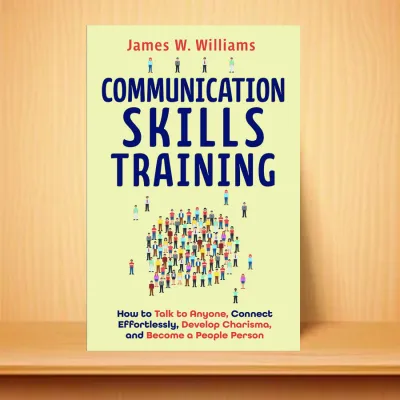

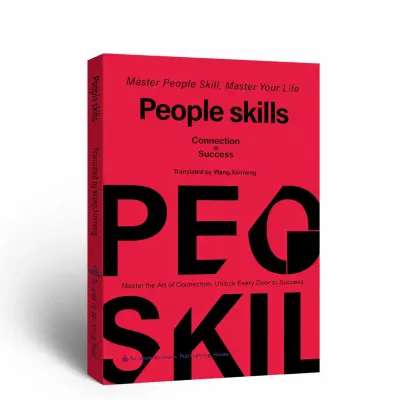
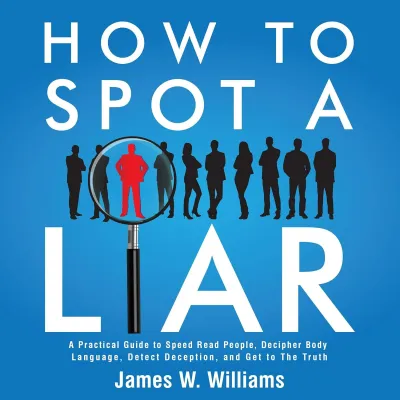
Prices are valid at publication and may change. Please refer to the product page for the latest price.
Finally, define your immediate career goals to align your reading choices with your professional trajectory. If you are preparing to transition from an individual contributor to a managerial role, your communication needs will shift from executing tasks to delegating, coaching, and delivering constructive feedback. If your goal is to lead cross-functional projects or manage client-facing negotiations, you will require resources that focus on persuasion, active listening, and conflict resolution. By establishing a clear link between your communication development and your career milestones, you turn reading into an active, goal-oriented exercise rather than a passive pastime.
Core Criteria for Selecting High-Impact Books
With thousands of self-help and business titles available, establishing a rigorous evaluation framework is essential to filter out superficial advice and identify books with proven, actionable methodologies. The first criterion to examine is the author’s professional and academic background. Prioritize authors who possess verifiable experience in corporate leadership, organizational psychology, executive coaching, or academic research in communication sciences. An author who has spent decades coaching executives or conducting empirical studies on workplace behavior is far more likely to offer deep, reliable insights than a lifestyle influencer or a casual blogger writing on personal productivity.

A high-impact communication book must also transcend purely theoretical concepts and offer structured, practical frameworks. Look for titles that include step-by-step exercises, diagnostic questionnaires, and real-world scripts that you can adapt to your own conversations. A book that merely tells you to ‘be confident’ or ‘listen actively’ without explaining how to do so is of little practical use. Instead, seek out authors who break down complex interactions into repeatable processes, such as specific templates for delivering constructive feedback or structured outlines for pitching new ideas to stakeholders. These practical tools allow you to practice and refine your skills in real-time.
Additionally, pay close attention to the publication date and edition of the book to ensure the advice reflects modern workplace dynamics. The rapid rise of hybrid work models, virtual collaboration tools, and digital communication platforms has fundamentally changed how professionals interact. A book written decades ago may still offer timeless principles on human relations, but it will lack guidance on managing digital etiquette, leading virtual meetings, or building rapport over video conferences. Checking for revised editions or selecting recently published titles ensures that you are equipping yourself with strategies tailored to the contemporary, digitally integrated office environment.
Book Categories Aligned with Career Advancement Goals
To maximize the return on your reading investment, it is highly effective to categorize communication literature by its core focus area. Different communication disciplines serve distinct phases of your career growth, and understanding these divisions allows you to build a highly targeted reading list that addresses your immediate professional objectives.
Managing Up and Navigating Hierarchical Structures
In many traditional corporate environments, advancing your career requires a sophisticated understanding of how to manage up and communicate respectfully yet assertively with superiors. When selecting books in this category, look for frameworks that address indirect communication patterns and respect for seniority while still allowing you to advocate for your ideas. The ideal resource should teach you how to align your personal output with leadership’s strategic goals, ensuring that your contributions are recognized by decision-makers.
Verify that the book provides specific, actionable scenarios for common upward-communication challenges. You need practical guides on how to give concise project updates, propose innovative ideas without overstepping boundaries, and deliver bad news or project delays to executives in a way that preserves trust. The methodologies should be adaptable to highly structured environments, helping you build strong professional relationships with senior leaders without compromising your professional integrity or appearing overly aggressive.
Collaborating in Cross-Cultural and Diverse Teams
As the local business landscape becomes increasingly globalized—particularly within the thriving business process outsourcing and multinational sectors—the ability to collaborate across diverse teams is a critical asset. When browsing books in this category, prioritize titles that explore cultural dimensions, active listening, and the art of adapting your communication style to different audiences. These resources should help you bridge the gap between different working styles and communication preferences.
A key factor to look for is how the book addresses conflict resolution. In many Asian professional contexts, maintaining harmony and avoiding actions that cause a colleague to lose face are vital for long-term collaboration. The book you choose should offer strategies for addressing performance issues or disagreements constructively, without damaging interpersonal relationships. Look for case studies or examples that involve global business environments, which will help you navigate the complexities of working with international clients, regional managers, or cross-functional local teams.
Mastering Public Speaking and Executive Presentations
For professionals seeking to increase their organizational visibility and influence, mastering the art of public speaking and executive presentations is indispensable. When evaluating books in this category, ensure they cover both the structural design of a persuasive argument and the physical or vocal delivery of the presentation. A great presentation requires a balance of compelling storytelling, clear data visualization, and confident delivery.
Look for books that offer supplementary materials, such as downloadable worksheets, slide design checklists, or links to video examples of effective speeches. These practical aids are incredibly valuable for translating written advice into physical practice. Furthermore, make sure the author’s advice is highly applicable to both in-person boardroom pitches and virtual presentations, as modern professionals must be equally persuasive whether standing on a stage or speaking into a webcam from a home office.
Sourcing and Verifying Book Editions
Once you have identified the categories and titles that align with your career goals, the final step is to safely acquire high-quality, authorized editions. Start by comparing different formats—such as physical copies, e-books, and audiobooks—based on your daily habits and learning preferences. If you face long daily commutes through Metro Manila traffic, audiobooks can transform idle travel time into productive learning sessions. However, if you are studying highly technical communication frameworks that require note-taking, highlighting, or completing workbook exercises, a physical copy or an e-book on a dedicated reader is often more practical.
To ensure you receive complete, authorized, and high-quality content, purchase your books exclusively from established physical bookstores, official brand stores, or reputable online marketplaces. The market is often flooded with cheap, unauthorized reprints or poorly formatted digital copies that may contain missing chapters, layout errors, or inaccurate translations. Investing ₱500 to ₱1,500 in an authentic, authorized edition guarantees that you are receiving the complete text as intended by the author, with all accompanying diagrams, references, and exercises intact.
Before finalizing your purchase, especially when ordering from international e-commerce platforms, carefully verify the book’s language, edition, and regional restrictions. Some publishers release specific international student editions or regional variants that may differ slightly in content or paper quality. Additionally, if you are purchasing digital audiobooks or e-books, confirm that the file formats are fully compatible with your specific devices and e-reader applications. Taking a few moments to double-check these technical specifications will prevent compatibility issues and ensure a seamless, productive reading experience.
Frequently Asked Questions (FAQ)
Are local authors better for understanding Philippine workplace culture?
Choosing books by local authors offers distinct advantages when you need to navigate specific cultural nuances, such as the emphasis on smooth interpersonal relations, indirect communication, and deep respect for organizational hierarchy. Local writers understand the subtle social dynamics of Philippine offices and can provide highly contextualized advice that international authors might overlook. However, international authors, particularly those specializing in organizational psychology or global corporate leadership, offer highly structured, universally applicable frameworks that are essential if you work in multinational corporations or aim to transition to global roles. For a truly comprehensive communication skill set, the most effective approach is to blend both perspectives, using local literature to master daily cultural dynamics and international texts to align with global professional standards.
Should I choose an audiobook or a physical copy for professional development?
The choice between an audiobook and a physical copy depends largely on the nature of the book’s content and your personal learning style. Audiobooks are highly effective for conceptual learning, mindset shifts, and narrative-driven business books, making them excellent companions during long commutes or daily routines. They allow you to absorb key ideas passively and improve your listening comprehension. On the other hand, physical copies or e-books are far superior for highly technical communication books that feature structured frameworks, diagnostic tests, real-world scripts, or diagrams. These formats allow you to pause, highlight key passages, take detailed notes, and easily refer back to specific exercises. Before purchasing any digital format, always check device compatibility and listen to a sample to ensure the narration style and audio quality suit your preferences.

Community discussion
Share your experience or ask a question. Comments are reviewed before publication.