
Finding a BTS magazine or dedicated K-pop publication in the Philippines requires navigating a diverse landscape of imports, local editions, and digital formats. Fans often seek these publications not just for the articles, but as highly prized collector’s items containing exclusive photography and merchandise. This guide provides a comprehensive framework for identifying the different publication formats, evaluating the depth of K-pop coverage in specific issues, choosing secure local and international purchasing channels, and performing essential pre-purchase checks to ensure you receive authentic, complete, and undamaged copies.
Understanding K-Pop Magazine Formats and Editions
When searching for publications featuring BTS and other K-pop artists, it is essential to understand the differences between official Korean imports, international English editions, and localized releases. Korean imports, such as specialized entertainment journals or South Korean fashion magazines, offer the most exclusive and high-concept photography. The text in these editions is almost entirely in Korean, though some publishers include English translations in a separate section at the back of the book or provide digital translations via official QR codes. The primary appeal of these imports lies in their production value, featuring heavy-weight paper, large-format layouts, and premium print finishes.
In contrast, international English editions, such as Western music and lifestyle publications, are fully written in English, making them highly accessible to readers in the Philippines. These magazines offer a global perspective on the music industry and feature professional, in-depth interviews. However, they may differ from Korean imports in terms of visual styling and paper stock, often opting for standard editorial layouts rather than the photobook-style presentation favored by East Asian publishers.
Products mentioned in this guide
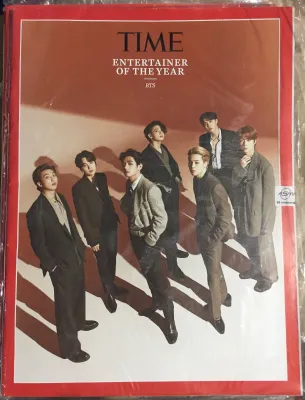
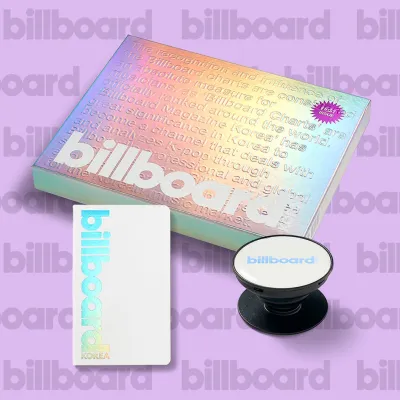
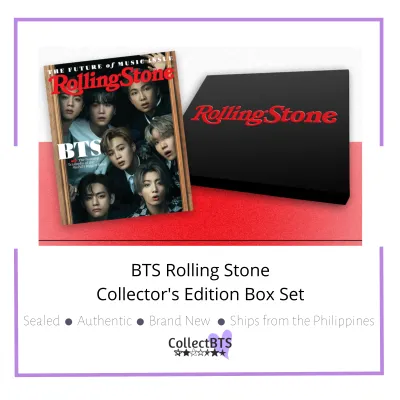




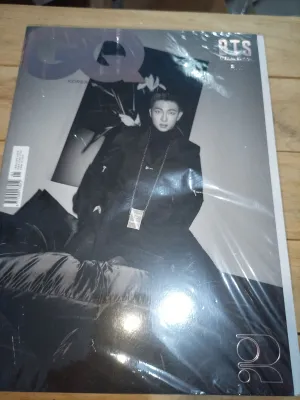
Prices are valid at publication and may change. Please refer to the product page for the latest price.
Collectible inserts are another major point of variation across regional releases. Korean imports are famous for including lavish, official freebies such as high-quality photocards, large-format folded posters, postcard sets, and sticker sheets. International English editions rarely include these physical collectibles unless you purchase a specialized, higher-priced box set or a limited-edition bundle. Localized Philippine editions or licensed local entertainment magazines offer the most affordable entry point, but they typically feature syndicated content and standard poster inserts rather than newly commissioned, exclusive merchandise.
Release schedules and regional licensing delays also play a significant role in availability. While digital editions are accessible instantly worldwide, physical copies of imported Korean and international magazines must undergo overseas transit and customs clearance. This process typically introduces a delay of two to six weeks before the physical copies arrive on local shelves in the Philippines. Understanding these timeline differences helps set realistic expectations when pre-ordering highly anticipated issues.
Key Features to Look for in BTS and K-Pop Coverage
To ensure a magazine is worth the investment, you must carefully evaluate the depth of its K-pop coverage before purchasing. Many general entertainment publications feature popular artists on the cover simply to attract attention, while the actual interior content may consist of only a single-page article or a brief mention in a news roundup. Look for dedicated “cover stories” or “special feature editions,” which typically allocate ten to twenty pages to exclusive interviews, behind-the-scenes essays, and high-resolution photoshoots.

Evaluating the publisher’s track record is a reliable way to gauge the quality of the content. Established global music titles and high-fashion publications are known for commissioning professional, high-concept photography and hiring experienced journalists who conduct respectful, in-depth interviews. These publications treat the artists as serious cultural and musical figures, providing readers with valuable insights rather than superficial gossip. Specialized K-pop media brands also have a strong reputation for delivering high-quality, fan-focused content and exclusive imagery.
Additionally, you must verify the exact contents of the specific edition you are purchasing. Many publishers release multiple cover variations for a single issue, such as individual member covers for BTS alongside a unified group cover. Ensure the listing or bookstore description explicitly states which cover version you are ordering and whether it includes the official merchandise, collectible freebies, or special slipcase packaging associated with that specific release. Some retailers sell the magazine alone at a lower price, while others offer the complete package with all original inserts intact.
Reliable Channels to Purchase Magazines in the Philippines
Sourcing these magazines in the Philippines involves choosing between physical retail, specialized online shops, and digital platforms. Major local bookstore chains located in prominent shopping malls across the country frequently stock international fashion and music magazines, occasionally dedicating specific shelves to highly anticipated K-pop issues. Visiting these physical stores allows you to inspect the condition of the magazine in person before buying, though stock can be limited and highly sought-after issues sell out quickly.
For direct Korean imports, specialty pop-culture and K-pop boutique shops are highly reliable options. Many of these boutiques operate physical storefronts in major metropolitan areas like Metro Manila, Cebu, and Davao, while also maintaining verified online storefronts. These specialty shops often establish direct relationships with Korean distributors, allowing them to run organized pre-order systems. Pre-ordering through these channels is often the most secure way to guarantee a copy of a limited-edition release.
When shopping on major e-commerce platforms, it is crucial to identify highly rated, verified K-pop merchandise sellers. Look for shops with official platform badges, high positive feedback ratings, and extensive customer reviews that include actual photos of received items. Avoid buying from unverified individual listings with no transaction history, as these carry a higher risk of counterfeit products or incomplete packages.
Budgeting for these purchases requires factoring in the base price of the magazine, international shipping weight, and local delivery fees. A heavy, imported Korean magazine can range from ₱800 to over ₱2,500 depending on its size, weight, and the inclusion of exclusive collectibles. Local shipping fees within the Philippines will vary based on your location, with deliveries to the Visayas and Mindanao generally costing more than those within Luzon. If you are primarily interested in reading the text rather than collecting physical items, digital subscription platforms and official publisher apps offer a highly cost-effective alternative, providing instant access to the content at a fraction of the physical cost.
Pre-Purchase Checks for Imported and Special Editions
Before finalizing your purchase, especially when ordering imported or special editions online, performing a few essential quality and authenticity checks can prevent disappointment. First, inspect the packaging details. Authentic magazines should arrive sealed in their original publisher shrink-wrap, which protects the pages and keeps any included inserts secure. If a listing states that the magazine has been opened, clarify with the seller whether all original freebies, such as photocards and posters, are still included.
The tropical climate and high humidity in the Philippines present unique challenges for paper collectibles. Excess moisture can cause pages to warp, stick together, or develop mold over time. When buying from local online sellers, ask how they store their inventory and request that they package your order securely. Reliable sellers will use thick cardboard backing, multiple layers of bubble wrap, and sturdy boxes to protect the magazine from bent corners and moisture damage during local transit across different provinces.
Reviewing the seller’s return policies and customer feedback on e-commerce platforms is also vital. Look for reviews that specifically mention the completeness of the package and the seller’s responsiveness to inquiries. Unscrupulous sellers sometimes open sealed magazines to extract and sell the highly coveted photocards separately, leaving the buyer with an incomplete product. A transparent return policy ensures you can seek a refund or replacement if the item arrives damaged or incomplete.
Finally, understand the shipping risks and delivery timelines associated with overseas imports. Sea cargo is more economical but can take several weeks to arrive, exposing the package to prolonged humidity and handling risks. Air cargo is faster and safer, typically taking seven to fourteen days, but carries a higher shipping fee. Weigh these factors based on your budget and how quickly you wish to receive the publication.
Frequently Asked Questions (FAQ)
Are digital versions of K-pop magazines available for readers in the Philippines?
Yes, digital versions of many international and Korean magazines featuring K-pop content are widely available to readers in the Philippines. You can access these publications through global digital newsstands, official publisher apps, and subscription-based reading platforms. Before purchasing a digital issue or subscription, verify device compatibility with the platform’s e-reader interface and check for any regional restrictions on localized app stores. Keep in mind that while digital editions provide immediate, high-definition access to the articles and photos, they do not include the physical collectibles, such as photocards, posters, or stickers, that come with physical copies.
How can I tell if a K-pop magazine is an official import or a counterfeit copy?
Distinguishing an official import from a counterfeit copy requires a close inspection of the print quality, paper weight, and binding. Official publications from reputable Korean and international publishers use heavy, high-grade paper and feature sharp, high-resolution printing with accurate color reproduction. Counterfeit copies or unauthorized reprints often exhibit blurry images, thin or flimsy paper, poor binding that easily falls apart, and a distinct, strong chemical ink smell. Additionally, official imports usually feature standard barcodes, publisher logos, and sometimes holographic authentication stickers on the outer plastic wrap or the cover itself.
Do local Philippine entertainment magazines regularly feature BTS on the cover?
Mainstream local lifestyle and entertainment magazines in the Philippines occasionally feature BTS or other prominent K-pop groups on their covers, particularly during major milestones, local brand endorsement campaigns, or concert tours. However, these local features are typically sporadic rather than regular. The depth of coverage in local mainstream magazines is also generally more limited, often consisting of syndicated news, brand promotional photos, or shorter feature articles. For consistent, in-depth coverage, exclusive photoshoots, and extensive interviews, fans generally rely on specialized, imported South Korean or international music and fashion publications.

Community discussion
Share your experience or ask a question. Comments are reviewed before publication.