
Navigating the regulatory landscape in the Philippines is one of the most challenging aspects of running a business. From securing local government permits to complying with complex national tax codes, entrepreneurs must manage a continuous stream of legal obligations. While hiring a full-time legal team is often beyond the budget of micro, small, and medium enterprises (MSMEs), building a curated digital library of legal reference materials offers a practical and cost-effective alternative.
Selecting the right digital resources requires a systematic approach. Because laws are dynamic and jurisdiction-specific, relying on outdated or inaccurate information can lead to severe financial penalties or operational disruptions. By focusing on verified author credentials, publication recency, and essential compliance topics, business owners can acquire the precise legal knowledge needed to protect their ventures and make informed decisions.
Key Criteria for Evaluating Philippine Business Law eBooks
Before purchasing any digital legal resource, evaluating the credibility of the author is paramount. The legal system in the Philippines relies heavily on specific statutes, administrative orders, and Supreme Court precedents. Look for eBooks written by recognized law professors from reputable institutions, active corporate attorneys, or publications issued directly by established legal research centers. Verifying the author’s background ensures that the interpretations of the law are grounded in actual legal practice rather than superficial summaries.
Products mentioned in this guide
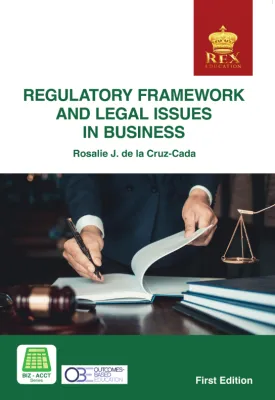
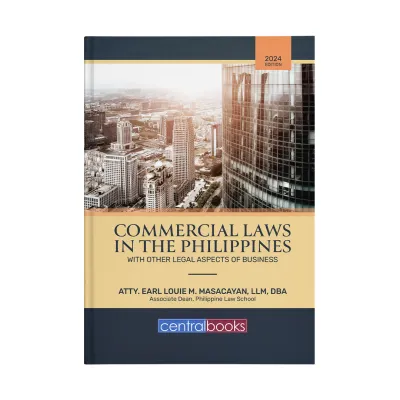

Prices are valid at publication and may change. Please refer to the product page for the latest price.
Publication recency is another critical factor that cannot be overlooked. Philippine business regulations undergo frequent updates through new legislative acts, revenue regulations, and department circulars. For instance, major reforms in corporate structuring and taxation have significantly altered the compliance landscape in recent years. An eBook published prior to these major legislative shifts will contain obsolete guidelines that could lead to non-compliance if followed blindly. Always check the publication date and look for editions that explicitly state they include recent statutory amendments.
Evaluating the scope of the eBook helps determine if the content matches your specific operational needs. Some digital books are structured as academic textbooks designed for law students, focusing heavily on theoretical jurisprudence and case citations. While highly detailed, these may be difficult for a layperson to navigate. Instead, prioritize practical handbooks and compliance guides written specifically for business owners, managers, or accountants. These resources typically translate complex legal jargon into actionable business steps.
Finally, consider the reputation of the digital publisher or platform. Established legal publishers and university presses are known for rigorous peer-review and editorial standards. Purchasing publications from these sources guarantees a level of editorial oversight that self-published digital files often lack. This oversight reduces the risk of typographical errors in statutory citations or misinterpretations of critical compliance deadlines.
Essential Legal Topics Your eBook Library Should Cover
A comprehensive digital legal library should serve as a first line of reference for daily business operations. The foundational pillar of this library must cover business registration and corporate structuring. Your selected eBooks should clearly explain the legal distinctions, advantages, and liabilities associated with different business structures, such as sole proprietorships, partnerships, corporations, and One Person Corporations (OPCs). The text should outline the step-by-step registration process involving the Securities and Exchange Commission (SEC) or the Department of Trade and Industry (DTI), as well as local government unit (LGU) permits.

Taxation compliance is another indispensable subject area. The Bureau of Internal Revenue (BIR) enforces strict rules regarding tax filings, bookkeeping, and invoicing. Your digital library should include guides that demystify national internal revenue regulations, value-added tax (VAT), percentage taxes, and withholding taxes. Understanding these concepts helps entrepreneurs maintain accurate books of accounts and prepare for regular tax seasons without incurring steep administrative fines.
Labor relations and employment law represent a high-risk area for any growing business. The Labor Code of the Philippines is highly protective of employee rights, making it essential for employers to understand their legal obligations. Look for eBooks that detail the legal standards for hiring, probationary periods, minimum wage, mandatory government benefits, and overtime pay. Crucially, these resources must explain the strict procedural due process required for terminating employment to protect your business from costly illegal dismissal claims.
In the modern digital economy, intellectual property and data privacy compliance are equally vital. If your business operates online, collects customer information, or develops unique brand assets, you must understand the Data Privacy Act of 2012 and intellectual property laws. Your eBooks should guide you through registering trademarks with the Intellectual Property Office of the Philippines (IPOPHL) and implementing mandatory data protection measures. This knowledge prevents data breaches and safeguards your brand identity from unauthorized copying.
Pre-Purchase Checks: Formats, Compatibility, and Access
Technical compatibility is a major consideration when purchasing digital legal resources. eBooks are commonly distributed in PDF, ePub, or proprietary formats. PDF files are highly beneficial for legal texts because they preserve the exact layout, page numbers, and formatting of official government documents, tables, and forms. However, ePub files offer reflowable text, which is significantly easier to read on smaller screens such as smartphones or compact e-readers during a daily commute.
Digital Rights Management (DRM) policies can restrict how you use your purchased eBooks. Some publishers apply strict DRM that limits the number of devices on which you can view the book, or prevents you from copying text snippets and printing pages. If you plan to share the resource with your internal HR or accounting team, verify the licensing terms beforehand. Look for platforms that offer flexible multi-device access or institutional licenses if collaborative use is required.
Offline accessibility is crucial for maintaining productivity in areas with inconsistent internet connectivity. Ensure that the digital bookstore or reader application allows you to download the entire text to your local device for offline viewing. Additionally, robust search functionality is a key advantage of digital books over physical copies. The eBook reader should allow you to perform full-text searches for specific legal terms, keywords, or republic act numbers, enabling rapid reference during urgent business meetings.
To protect your business from security risks and incomplete information, purchase digital books exclusively from authorized sellers and official publisher platforms. Unauthorized PDF downloads shared on online forums or unverified marketplaces are frequently outdated, modified, or bundled with malicious software. Investing in legitimate digital copies ensures you receive the complete, unaltered text along with any supplementary digital files or updates provided by the publisher.
Building Your Curated Reading List for Compliance and Growth
Building a digital legal library should be a phased process aligned with your business growth. For startups and early-stage entrepreneurs, the immediate priority should be foundational compliance. Focus your initial budget on practical guides covering basic business registration, local licensing, and initial BIR registration. Mastering these basics prevents early operational disruptions and establishes a clean compliance record from day one.
As your enterprise expands and begins hiring personnel, transition your reading list toward labor laws and operational compliance. Acquire detailed guides on drafting employment contracts, managing workplace safety, and handling employee benefits. During this growth phase, you should also introduce resources on contract law to help you review commercial leases, supplier agreements, and service contracts with confidence.
For established businesses scaling their operations, the focus shifts to advanced corporate governance, intellectual property protection, and tax optimization. Digital resources covering shareholder agreements, trademark protection, and corporate restructuring become highly relevant. Throughout this journey, always cross-reference the concepts learned in your eBooks with real-time updates from official government portals, such as the SEC, BIR, and DOLE websites, to verify that no new administrative orders have superseded the printed text.
While building this library, it is important to set a realistic budget for digital legal resources. High-quality, professional legal eBooks in the local market typically range from ₱500 to ₱2,500. While this represents an upfront cost, it is a minor investment compared to the potential legal fees and penalties associated with compliance errors. Finally, establish a clear threshold for when to transition from self-education to professional consultation. Use your digital library to build foundational knowledge, but always engage a licensed attorney for complex contract drafting, formal disputes, or specialized corporate transactions.
Frequently Asked Questions (FAQ)
Can an eBook replace a licensed lawyer for business compliance in the Philippines?
No, an eBook cannot replace the services of a licensed attorney. Digital legal resources are educational tools designed to build foundational legal literacy, help you understand basic compliance frameworks, and prepare you for discussions with professionals. They provide general information but cannot analyze the unique, specific facts of your business operations. Critical tasks such as drafting custom shareholder agreements, resolving labor disputes, representing your company in court, or navigating complex tax audits strictly require the personalized counsel of a licensed member of the Philippine Bar.
How often should I update my digital library on Philippine business law?
You should review and update your digital legal library at least once a year, or immediately following major legislative reforms. The regulatory environment in the Philippines is dynamic, with government agencies regularly issuing new administrative orders, tax circulars, and labor advisories that modify existing rules. To keep your library current, subscribe to newsletters from reputable legal publishers, monitor official government gazettes, and check the digital platforms where you purchased your eBooks for updated editions or supplementary revision files.
Community discussion
Share your experience or ask a question. Comments are reviewed before publication.