
The kalimba, or thumb piano, has captured the hearts of many music enthusiasts across the Philippines, offering a gentle, music-box-like tone that provides a soothing escape from daily life. While the standard 17-key version remains highly popular, the 21-key kalimba is rapidly gaining traction among local players who want to expand their musical horizons. This larger layout provides a broader range of notes, allowing for more complex arrangements and richer harmonies.
However, choosing a 21-key kalimba is not as simple as picking the most visually appealing design. Because these instruments feature more tines packed into a relatively compact body, factors like material quality, tine responsiveness, and acoustic design become critical to the overall playing experience. A poorly constructed instrument can suffer from dead tines, weak resonance, or structural warping, especially under the tropical climate of the Philippines.
This guide is designed to help you navigate the selection process with confidence. Instead of relying on unverified rankings or sponsored reviews, we will break down the objective standards of wood selection, tine construction, and physical ergonomics. By understanding these core elements, you can make an informed decision that matches your skill level, musical goals, and budget.
Products mentioned in this guide
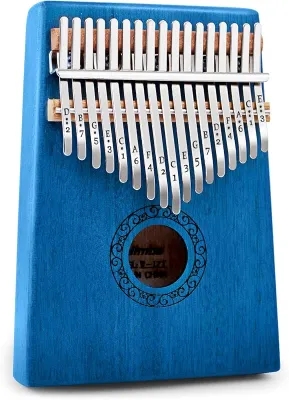
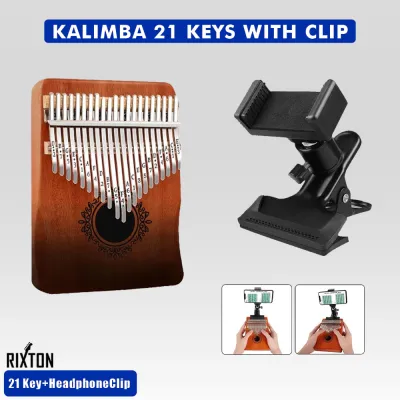
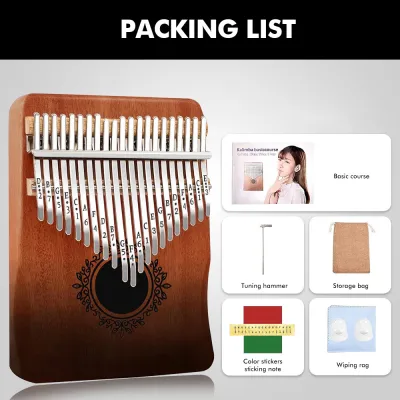
Prices are valid at publication and may change. Please refer to the product page for the latest price.
Why Choose a 21-Key Kalimba Over Standard Models
The primary appeal of the 21-key kalimba lies in its extended musical range. While a standard 17-key instrument is typically tuned to the key of C major and covers just over two octaves, a 21-key model adds four lower notes (usually F3, G3, A3, and B3). This extension effectively gives you a full three-octave range, opening up a vast library of sheet music and arrangements that are otherwise unplayable on smaller models.
With these extra bass notes, you can play more complex chords, intricate bass lines, and advanced fingerstyle arrangements. Instead of transposing songs or omitting lower notes, you can perform pieces exactly as they were written for piano or classical guitar. This makes the 21-key layout highly attractive to musicians who want to transition from simple melodies to rich, multi-layered performances.
For players upgrading from a smaller kalimba, the transition does involve a brief learning curve. The physical spacing between the tines is often slightly narrower to accommodate the extra keys without making the instrument too wide to hold comfortably. Additionally, your thumbs must adapt to a wider lateral reach. However, because the central 17 keys retain the standard layout, your muscle memory for existing songs remains intact, making the upgrade highly manageable and deeply rewarding.
Core Evaluation Criteria for 21-Key Kalimbas
Evaluating a 21-key kalimba requires a close look at its physical components, as the increased tension of 21 steel tines places greater structural demands on the instrument. The body material is the most significant factor influencing the tone. Solid tonewoods, such as mahogany, koa, and acacia, are highly prized for their warm, organic resonance and rich overtones. Mahogany offers a balanced, warm sound with excellent mid-range projection, while koa and acacia provide a brighter, sweeter tone with beautiful wood grain patterns.

In contrast, acrylic bodies have become popular for their striking, transparent appearance and bright, crystal-clear high notes. However, acrylic is significantly heavier than wood, which can cause hand fatigue during long practice sessions. It also lacks the deep resonance and sustain of solid wood, making it better suited for bright, simple melodies rather than complex, bass-heavy arrangements. Laminate wood bodies are another alternative; while they are highly durable and resistant to the high humidity levels common in the Philippines, they generally lack the acoustic depth of solid wood.
Tine quality is equally critical, especially for the highest and lowest notes on a 21-key layout. High-quality tines are typically made from ore steel or manganese steel. These materials offer the ideal balance of flexibility and stiffness, allowing the tines to vibrate freely while maintaining their pitch. Look for tines with curved ends, which are much gentler on the thumbs during extended play. Rust resistance is another vital consideration in tropical climates, so electroplated or treated steel tines are highly recommended to prevent corrosion from sweat and humidity.
The soundboard design determines how the sound is projected. Hollow box kalimbas feature a central sound hole. This design produces a louder, more resonant sound with a natural “wah-wah” effect when you cover and uncover the holes. However, hollow boxes can sometimes suffer from “dead tines” on the outermost high notes, where the wood lacks the structural stiffness to vibrate effectively. Solid flat-board (or plate) kalimbas, on the other hand, are made from a single solid piece of wood. While they are naturally quieter than hollow boxes, they offer incredibly consistent sustain and clarity across all 21 keys, including the tricky high notes.
Finally, ergonomics should not be overlooked. A 21-key kalimba is wider than a 17-key model, so look for designs with carved hand rests or curved edges along the sides of the body. These subtle contours reduce strain on your palms and wrists, allowing you to maintain a relaxed grip. The weight of the instrument should also feel balanced in your hands, ensuring that you can reach the outermost tines without losing your grip.
Condition-Based Shortlist: Matching the Instrument to Your Needs
Because there is no single “best” kalimba for everyone, the key to a successful purchase is matching the instrument’s physical characteristics to your specific playing conditions. Whether you are a complete novice looking for an affordable entry point or an experienced musician preparing for live performances, understanding your primary use case will help you filter through the options available on e-commerce platforms and in local music stores.
When browsing, pay close attention to how the physical dimensions, wood type, and accessory packages align with your current skill level and physical comfort. Below, we have categorized the ideal specifications for three distinct player profiles to help you narrow down your search.
For Beginners and Casual Melody Players
If you are new to the kalimba or music in general, your primary goal should be minimizing learning friction and physical discomfort. Look for a 21-key kalimba that features forgiving tine tension—tines that are relatively easy to pluck without requiring excessive thumb strength. Key engravings are also incredibly helpful for beginners; having the notes and numbers stamped directly onto the metal tines saves you from having to look back and forth at key stickers.
For this group, durability and value are key. A sturdy mahogany hollow-box kalimba is an excellent starting point, as it offers a warm, pleasing sound at a highly accessible price point, often fitting comfortably within lower ₱ price brackets. Ensure the package includes essential starter accessories: a tuning hammer is non-negotiable, and a soft gig bag or drawstring pouch will protect the instrument from dust. Avoid heavy acrylic models or exceptionally stiff solid-plate designs, as these can quickly cause finger fatigue and discourage regular practice.
For Intermediate Players and Arrangers
Intermediate players who are ready to tackle multi-part arrangements need an instrument that delivers balanced resonance across the entire three-octave range. On cheaper models, the lowest bass notes can sound muddy, while the highest treble notes can sound like dull, metallic clicks. To avoid this, look for a solid flat-board kalimba made from high-quality tonewoods like acacia or koa. These woods provide the clarity and sustain needed to make complex chords ring out beautifully.
Ergonomics also become more critical as your playing speed increases. Look for a model with precise, consistent tine spacing that allows your thumbs to glide smoothly across adjacent keys for glissandos and quick chord transitions. A solid-board design is highly recommended here because it ensures that every single note, from the lowest F3 to the highest E6, has a clear, singing voice, allowing your arrangements to sound polished and professional during quiet practice or home recording.
For Advanced Players and Live Performers
For advanced musicians and stage performers, the priority shifts to premium material craftsmanship, precise intonation, and projection. If you plan to perform in public spaces or record in a studio, consider a 21-key kalimba with built-in pickup compatibility. An active or passive pickup allows you to plug the instrument directly into an amplifier or audio interface, eliminating the need to position a microphone perfectly in front of the soundboard.
The wood selection should be top-tier, such as seasoned solid koa or high-grade walnut, which offer exceptional acoustic projection and complex tonal colors. Because you will likely be transporting your instrument to gigs, rehearsals, or outdoor settings, look for packages that include a heavy-duty, shockproof hard shell case to protect the wood from sudden impacts and rapid changes in tropical humidity. High-quality tuning hammers and specialized cleaning cloths are also essential to keep the metal tines pristine and free of finger oils.
Purchasing Channels and Pre-Checkout Verification in the Philippines
When shopping for a 21-key kalimba in the Philippines, you will find options across major online marketplaces and specialized local music stores. While online shopping offers the widest variety and the convenience of home delivery, it requires a high level of vigilance to ensure you receive a genuine, high-quality instrument rather than a poorly constructed counterfeit.
Before hitting the checkout button on any e-commerce platform, take the time to verify the seller’s credentials. Look for official brand stores or highly rated local distributors with a proven track record of selling musical instruments. Read through recent customer reviews, paying close attention to photos and videos uploaded by actual buyers. Look for comments regarding how well the instrument was packaged; a kalimba shipped in a simple bubble mailer is highly susceptible to cracked wood or bent tines during transit.
It is also wise to check the seller’s return and refund policies. Because wood is a natural material, it can occasionally warp or crack due to temperature fluctuations during shipping, and some tines may arrive completely out of tune or “dead.” Ensure that the platform or store offers a straightforward return process if the instrument arrives defective.
Once your kalimba arrives, perform a thorough physical inspection before confirming receipt. Check the wood body for any hairline cracks, especially around the bridge and the edges. Inspect the metal tines for any signs of rust, discoloration, or loose mounting screws. Pluck every single key from left to right; the notes should sound clear and distinct. If you notice a buzzing sound or a completely dead note that does not improve after a quick tuning adjustment, contact the seller immediately to arrange for a replacement.
Frequently Asked Questions (FAQ)
Is a 21-key kalimba too difficult for a complete beginner?
While a 21-key kalimba has more notes to navigate, it is not significantly more difficult to learn than a standard 17-key model. The fundamental plucking technique is identical. Because the central 17 keys are arranged in the exact same order, you can easily start by playing simpler 17-key tutorials and tabs. As your confidence and hand coordination improve, you can gradually begin incorporating the four extra bass tines into your play, making it a highly versatile instrument that grows with your skills.
How often does a 21-key kalimba need to be tuned?
A new kalimba will typically need to be tuned frequently during the first few weeks of use, as the metal tines and wood body adjust to the tension. After this initial settling period, you may only need to tune it once every few weeks, or whenever you notice a note sounding slightly off. Because the Philippines has high humidity, rapid changes in temperature—such as moving from an air-conditioned room to a warm outdoor area—can cause the wood to expand or contract, which will affect the tuning. Keep a digital tuning app on your phone for quick, regular checks.
Can I use standard 17-key tabs to play on a 21-key kalimba?
Yes, you can absolutely use standard 17-key tabs on a 21-key kalimba. The core 17 keys of a 21-key instrument are tuned to the exact same notes and arranged in the same layout as a standard 17-key kalimba. The four extra keys are simply positioned on the outer edges. When following 17-key sheet music or video tutorials, you can simply ignore the extra outer tines and play the central keys as normal.
Community discussion
Share your experience or ask a question. Comments are reviewed before publication.