
Embarking on a nine-day prayer journey can feel overwhelming for a beginner, but combining the structured rhythm of the Rosary with a specific novena intention is one of the most grounding spiritual practices you can adopt. Praying a novena rosary involves dedicating a complete Rosary each day for nine consecutive days, focusing your mind on a particular petition, thanksgiving, or spiritual milestone. By understanding the physical beads, the sequence of prayers, and the meditative mysteries, you can easily build a consistent habit that fits into your daily routine, even amidst a busy schedule or tropical heat.
What Is a Novena Rosary and How Does It Work?
A novena is a traditional Catholic practice consisting of nine consecutive days of prayer to obtain special graces, implore a particular favor, or make a solemn thanksgiving. The term itself comes from the Latin word for nine, “novem,” which traces its spiritual roots back to the nine days of prayer and anticipation spent by the Apostles and the Blessed Virgin Mary in the Upper Room between the Ascension of Jesus and the descent of the Holy Spirit on Pentecost. When you integrate this nine-day structure with the Rosary, you create a powerful spiritual discipline that combines vocal prayer with deep, meditative contemplation.
While a standard daily Rosary is typically prayed as an ongoing devotion aligned with the liturgical calendar, a novena rosary is a targeted spiritual commitment. During these nine days, you direct the spiritual fruits of your daily Rosary toward a specific intention, such as the recovery of a sick family member, guidance during a major career transition, or peace of mind during a personal crisis. This focused approach helps you channel your thoughts and prayers, turning a familiar ritual into a deeply personal conversation.
Products mentioned in this guide
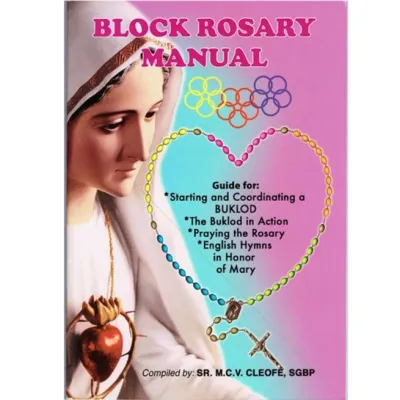
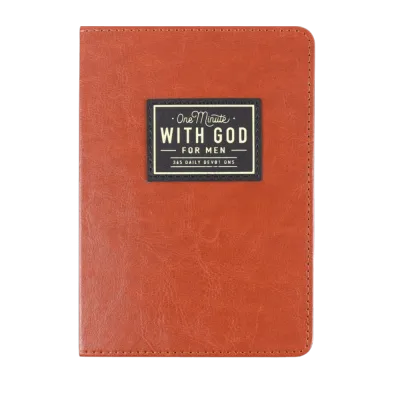
Prices are valid at publication and may change. Please refer to the product page for the latest price.
For beginners, committing to a nine-day novena rosary offers profound spiritual benefits. The repetitive nature of the prayers—such as the Hail Mary and the Our Father—acts as a gentle anchor for a restless mind, allowing you to enter a state of quiet reflection. Rather than worrying about what words to say next, you can rely on the established structure of the prayers to carry you through. Over the course of nine days, this daily commitment helps build spiritual stamina, turning prayer from an occasional activity into a consistent, life-giving habit.
How to Prepare for Your Nine-Day Devotion
Before you begin your novena, taking a little time to prepare your physical and spiritual environment can make a significant difference in your ability to stay focused and committed. The first step is selecting a physical rosary that feels comfortable in your hands. In warm, humid climates, choosing the right material is very practical. Metal chains can sometimes tarnish or rust over time due to humidity and sweat, so a durable wooden rosary strung on sturdy cord, or a high-quality olive wood or plastic bead set, is a reliable option. If a physical rosary is not immediately available, a digital rosary application or a simple printed guide can serve as a practical alternative.

Next, you will want to select the specific novena prayers you plan to use. Novenas are often dedicated to specific titles of Jesus, the Blessed Virgin Mary, or various saints. To ensure theological accuracy and alignment with traditional teachings, look for an officially published novena booklet or an approved prayer card. These materials often carry an ecclesiastical approval, such as an Imprimatur or Nihil Obstat, which indicates that the text is free from doctrinal error. Having a physical booklet or a verified digital text ready before Day One prevents you from having to search for prayers mid-devotion, keeping your focus entirely on the spiritual practice.
Finally, establish a dedicated time and space for your daily prayers. Consistency is key to maintaining a nine-day commitment. You might choose a quiet corner of your home, perhaps near a small altar with a crucifix, a religious image, or a simple candle. If you live in a busy household, finding a quiet moment early in the morning before others wake up, or late in the evening when the tropical heat of the day has cooled down, can provide the peaceful atmosphere you need. Running a quiet electric fan can help keep you comfortable and block out external street noise, allowing you to pray without unnecessary distractions.
Step-by-Step Instructions for Your Daily Prayers
To pray the novena rosary, you will follow the traditional structure of the Rosary while incorporating your specific novena prayers. Begin by holding the crucifix of your rosary in your hand. Make the Sign of the Cross, touching your forehead, chest, left shoulder, and right shoulder while saying, “In the name of the Father, and of the Son, and of the Holy Spirit. Amen.” Still holding the crucifix, pray the Apostles’ Creed, which summarizes the core beliefs of the Christian faith. This serves as the theological foundation for your prayer session.
Move your fingers to the first large bead just above the crucifix and pray the Our Father. This is followed by the next three small beads, on which you will pray three Hail Marys. Traditionally, these three prayers are offered for an increase in the theological virtues of faith, hope, and charity. After the third Hail Mary, pray the Glory Be on the chain or space before the next large bead. This initial sequence prepares your heart and mind for the main body of the Rosary, which consists of five decades.
Each of the five decades corresponds to a specific mystery—a significant event in the lives of Jesus and Mary. To begin a decade, announce the mystery you are meditating on (for example, “The First Joyful Mystery: The Annunciation”). On the single large bead, pray one Our Father. Then, on the ten consecutive small beads, pray ten Hail Marys while quietly reflecting on the meaning of that mystery in your life. Conclude the decade on the space after the tenth bead by praying the Glory Be, followed by the Fatima Prayer: “O my Jesus, forgive us our sins, save us from the fires of hell; lead all souls to Heaven, especially those in most need of Thy mercy.” Repeat this process for all five decades.
Once you have completed all five decades, you will pray the closing prayers of the traditional Rosary. Hold the centerpiece of the rosary and pray the Hail Holy Queen (Salve Regina), followed by the concluding Rosary prayer: “O God, whose only begotten Son, by His life, death, and resurrection, has purchased for us the rewards of eternal salvation…” After this prayer, it is time to integrate your specific novena prayer.
Depending on the specific novena tradition you are following, you will now read the designated prayer for the current day of your novena (for example, the Day One prayer on your first day, moving sequentially through to Day Nine). State your personal intention clearly and silently in your heart, asking for the grace or assistance you seek. To close your prayer session, make the Sign of the Cross once more with the crucifix, bringing your devotion to a reverent and peaceful conclusion.
How to Track Your Progress and Stay Consistent
Maintaining a daily prayer habit for nine consecutive days requires commitment, and it is entirely normal for beginners to face challenges along the way. To help you stay on track, consider using a physical prayer journal or a simple printed novena tracker. Marking off each day as you complete it provides a visual sense of progress and helps reinforce your commitment. You can also use a dedicated calendar on your desk or wall, placing a small checkmark next to each completed day of your devotion.
One of the most common hurdles for beginners is the anxiety of missing a day due to a busy schedule, illness, or unexpected disruptions. It is important to understand the difference between strict canonical rules and private personal devotions. A private novena is an act of love and spiritual desire, not a rigid legal obligation. If you happen to miss a day, do not let discouragement cause you to abandon the novena entirely.
If an interruption occurs, you have a few practical options to handle it with grace. You can simply resume your prayers the following day, extending the calendar duration of your novena by one day so that you still complete nine full days of prayer. Alternatively, if you have the time and energy, you can pray the missed day’s prayers along with the current day’s prayers to catch up. The key is to avoid scrupulosity—the tendency to worry excessively about minor imperfections in your prayer format. God looks at the sincerity of your heart and your desire to connect, rather than a flawless consecutive streak.
Spiritual Reading and Resources to Deepen Your Practice
To enrich your novena experience and deepen your understanding of the prayers, incorporating spiritual reading into your routine can be incredibly beneficial. When looking for books, booklets, or digital guides, always prioritize officially published, approved Catholic editions. Verifying the language, translation accuracy, and completeness of the texts ensures that you are meditating on sound theological foundations. Look for publications from reputable religious publishers that carry official ecclesiastical approvals.
Pairing your daily novena with spiritual reading materials that explain the biblical foundations of the Rosary mysteries can transform your prayer from a vocal recitation into a deep meditative experience. The Rosary is divided into four sets of mysteries: the Joyful, Sorrowful, Glorious, and Luminous mysteries. Reading the specific scripture passages associated with each mystery before you begin your decades can provide rich imagery and context for your meditation, helping you connect the historical events of scripture to your personal life and intentions.
If you find yourself seeking more personalized guidance or are unsure which reading materials are best suited for your spiritual journey, consider consulting a parish priest, a spiritual director, or an authorized religious educator. They can recommend approved reading lists, clarify theological questions, and offer practical advice on how to integrate prayer into your daily life. Engaging with your local parish community can also provide a supportive network of fellow believers who can share their own experiences and encourage you in your devotional practices.
Frequently Asked Questions (FAQ)
Can I Pray the Novena Rosary at Any Time of the Day?
Yes, you can pray the novena rosary at any time of the day that best fits your schedule. Private devotions do not have strict canonical hours, allowing you to adapt your prayers to your work, school, or family routines. Some people find that praying early in the morning helps set a peaceful tone for the rest of the day, while others prefer praying in the evening as a way to wind down and reflect before sleeping. Anchoring your prayer to a specific daily trigger, such as right after your morning coffee or immediately before bed, can help you build a consistent habit.
What Happens If I Miss a Day During the Novena?
If you miss a day during your private novena, there is no need to worry or restart the entire process from the beginning. While public, communal novenas held at a parish often follow a strict calendar schedule, private devotions allow for flexibility. You can simply pick up where you left off and extend your novena by one day to ensure you complete the full nine days of prayer. The most important aspect of a novena is your sincere intention and perseverance, and taking a flexible approach helps you focus on the spiritual benefits rather than strict perfection.
Do I Need to Pray the Same Mysteries Every Day?
Traditionally, the mysteries of the Rosary are prayed on specific days of the week according to the liturgical calendar: the Joyful Mysteries on Mondays and Saturdays, the Sorrowful Mysteries on Tuesdays and Fridays, the Glorious Mysteries on Wednesdays and Sundays, and the Luminous Mysteries on Thursdays. Following this weekly rotation during your novena is widely practiced as it connects your private prayers with the wider church community. However, as a beginner, if your novena intention is deeply tied to a specific theme—such as seeking comfort during a time of grief—you may choose to pray a single set of mysteries, like the Sorrowful Mysteries, throughout the entire nine days to better support your focus.
Community discussion
Share your experience or ask a question. Comments are reviewed before publication.