
Starting your journey through the Catechism of the Catholic Church does not require a degree in theology, nor does it demand that you read the massive volume cover-to-cover like a standard novel. The most effective way for a beginner to study the Catechism is to treat it as a thematic reference guide, reading just one or two numbered paragraphs a day, and using its built-in cross-references to explore topics that match your current spiritual questions.
By breaking down the text into manageable portions and understanding how the book is organized, you can easily integrate this rich resource into your daily prayer life. With a structured approach, what initially seems like an intimidating academic text quickly becomes an accessible companion for personal reflection.
Understanding the Four Pillars and Book Structure
To navigate the Catechism successfully, you must first understand its structural blueprint. The entire text is organized into four distinct sections, traditionally referred to as the Four Pillars. Each pillar addresses a fundamental aspect of Christian life, allowing you to jump directly to the section that speaks most to your immediate needs.
Products mentioned in this guide
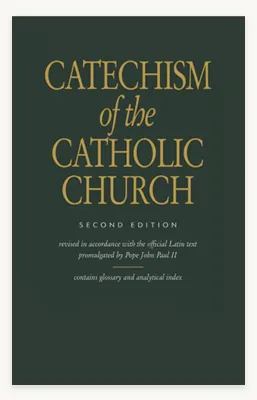
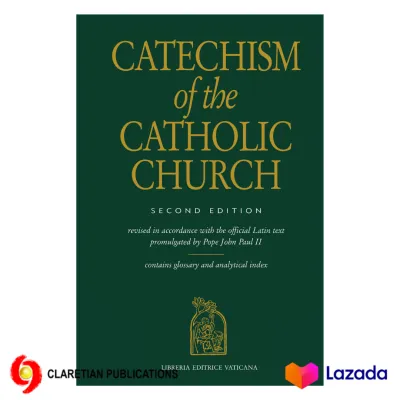
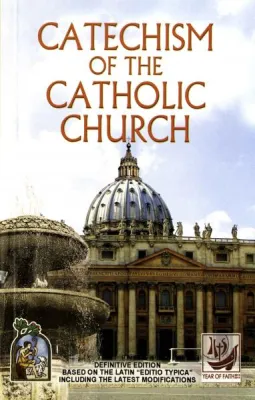
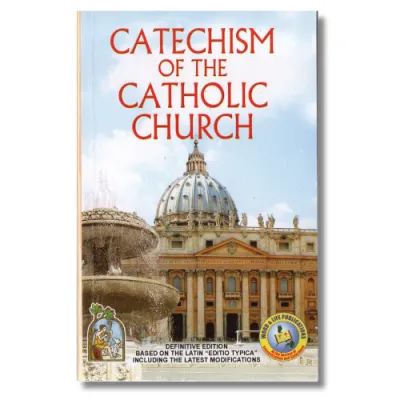
Prices are valid at publication and may change. Please refer to the product page for the latest price.
- The Profession of Faith (The Creed): This first pillar unpacks the Apostles' Creed, explaining what Catholics believe about God, the creation of the world, Jesus Christ, the Holy Spirit, and the Church.
- The Celebration of the Christian Mystery (The Sacraments): The second pillar focuses on worship and the seven sacraments, explaining the spiritual significance behind the rituals and liturgy.
- Life in Christ (Morality): The third pillar explores Christian ethics, the Ten Commandments, the Beatitudes, and how to make moral decisions in daily life.
- Christian Prayer: The fourth pillar is a deeply spiritual guide to prayer, focusing on the Lord's Prayer as a model for personal communication with God.
Instead of navigating by page numbers, the Catechism uses a universal system of numbered paragraphs, running from paragraph 1 to 2865. This system remains identical across every approved edition and language worldwide. When studying, you will also notice small numbers printed in the margins next to the text; these are cross-references that point you to other paragraphs addressing the same topic, helping you connect different teachings.
At the very back of the book, you will find the analytical index. This index is one of the most powerful tools for a beginner. If you want to know what the Church teaches about a specific topic, such as work, suffering, or family life, you can look up the term in the index to find the exact paragraph numbers you need to read. This makes thematic reading highly practical and rewarding.
Choosing the Right Edition and Study Tools
Selecting the right format for your study habits is essential to prevent physical and mental fatigue. Because the Catechism is a dense reference book, the physical quality and layout of your copy can significantly impact how often you open it.

In warm, humid tropical climates, physical books require careful storage to prevent pages from yellowing, warping, or developing mildew. If you prefer a physical book, look for editions with sturdy bindings and acid-free paper, and store them in a well-ventilated room away from direct sunlight. A standard paperback copy might cost around ₱400 to ₱800, while durable leather-bound editions designed for lifetime use can range from ₱1,500 to ₱3,000 in local specialty bookstores.
If you are always on the move, digital editions and mobile applications are excellent alternatives. Digital versions allow you to tap directly on cross-reference numbers and scripture footnotes, instantly jumping to the source material without flipping back and forth through hundreds of physical pages. Many official digital versions are available for free or for a nominal fee on major app stores.
To enhance your study, consider keeping a dedicated journal alongside your book. Writing down key insights, personal questions, and prayers helps solidify what you learn. A high-quality pen that does not bleed through thin book pages is also a valuable addition to your study desk, allowing you to make neat marginal notes directly in your copy.
Building a Manageable Daily Reading Routine
Consistency is far more valuable than speed when studying deep theological texts. Trying to read too much at once often leads to information overload and burnout. Establishing a slow, deliberate routine ensures that the teachings settle into your mind and heart.
- Begin with the Prologue: Before jumping into the main pillars, spend a few days reading the Prologue (paragraphs 1 to 25). This brief introduction explains the purpose of the Catechism, who it is written for, and how it is meant to be read.
- Set a Paragraph Limit: Commit to reading just one or two numbered paragraphs each day. This takes less than five minutes but provides plenty of material for deep thought.
- Use the "Read, Reflect, Pray" Method: Read the selected paragraph slowly. Reflect on how this truth applies to your daily decisions, relationships, or work. Finally, turn your reflection into a short, personal prayer, asking for the grace to live out what you have read.
- Track Your Progress: Keep a simple checklist of paragraph numbers in your journal. Checking off the paragraphs as you complete them provides a visual sense of progress and helps you maintain momentum over the weeks and months.
By tying your reading routine to an existing daily habit, such as having your morning coffee or winding down before bed, you make the practice automatic. Over time, these small daily steps accumulate into a profound understanding of your faith.
Overcoming Dense Theological Language and Complex Concepts
It is completely normal to encounter unfamiliar vocabulary or complex theological arguments as you read. The Catechism was compiled by scholars, which means some sections require a bit of patience and strategy to unpack.
When you run into a difficult term, make immediate use of the built-in glossary located at the back of most standard editions. This glossary provides clear, concise definitions of essential terms like “grace,” “justification,” and “transubstantiation.” Additionally, pay attention to the footnotes at the bottom of the page; they point to the biblical passages that inspired the teaching, allowing you to open your Bible and read the context of the scripture.
If a particular paragraph remains confusing, do not let it stall your progress. Simply make a note of the paragraph number in your journal and move on. You can return to it later, or seek out external resources such as trusted Catholic commentaries, educational podcasts, or parish study groups where you can discuss the concepts with others.
Remember that gradual comprehension is the goal. You do not need to master every theological nuance on your first reading. Treat the study as a lifelong journey of discovery rather than a test to be passed.
Frequently Asked Questions (FAQ)
Do I need to read the Catechism of the Catholic Church in order?
No, you do not need to read it in chronological order. While a linear reading provides a comprehensive overview, starting with sections that match your immediate personal interests is highly recommended for beginners. For example, if you want to improve your prayer life, you can start directly with Pillar Four. If you are seeking guidance on moral decisions, you can begin with Pillar Three.
How long does it realistically take to finish the entire book?
The time it takes to finish depends entirely on your daily pace. Because there are 2,865 paragraphs, reading one paragraph per day will take approximately 7.8 years to complete. Reading three paragraphs a day reduces this time to about 2.6 years. Focus on consistency and reflection rather than rushing to finish the book quickly.
Is the Compendium a good substitute for the full Catechism?
The Compendium of the Catechism of the Catholic Church is an excellent stepping stone, but it is not a complete substitute. It uses a concise question-and-answer format that summarizes the essential teachings of the full text. It is perfect for quick reference or for beginners who want a clear, simplified overview before diving into the more detailed explanations of the main volume.
Community discussion
Share your experience or ask a question. Comments are reviewed before publication.