
Choosing your first electric guitar strings full set in the Philippines is a critical step in making your instrument comfortable to play and ensuring it sounds its best. For most beginners, the ideal starting point is a light-gauge, nickel-plated steel string set, typically measuring .009 to .042 inches. This configuration provides a gentle learning curve for your fingertips while delivering a versatile, balanced tone suitable for various musical genres.
In a tropical climate characterized by high humidity and warm temperatures, strings are highly susceptible to rapid oxidation, rust, and premature wear. Selecting the right set involves balancing physical playability, tonal preferences, and durability against environmental factors. By understanding how gauges, materials, and retail options interact, you can make an informed decision that keeps your guitar in optimal playing condition without unnecessary spending.
Understanding String Gauges for Comfort and Playability
String gauge refers to the physical thickness of the strings, measured in thousandths of an inch. A standard electric guitar strings full set is designated by the thickness of the thinnest high E string and the thickest low E string, such as “9-42” or “10-46.” For beginners, these numbers dictate how much physical effort is required to press the strings down against the frets and bend them during play.
Products mentioned in this guide


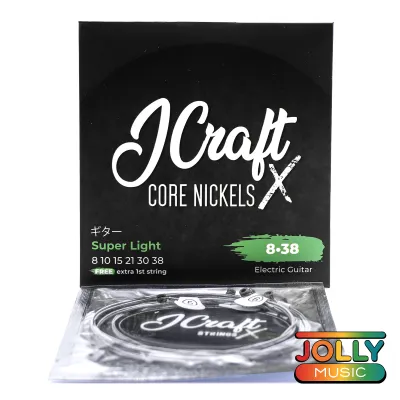


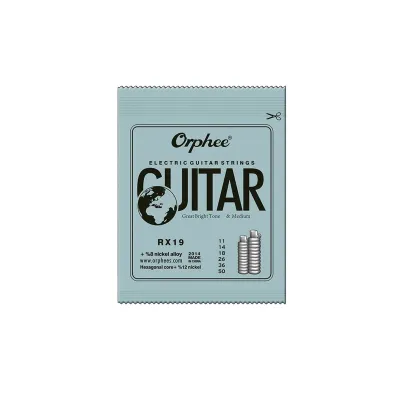
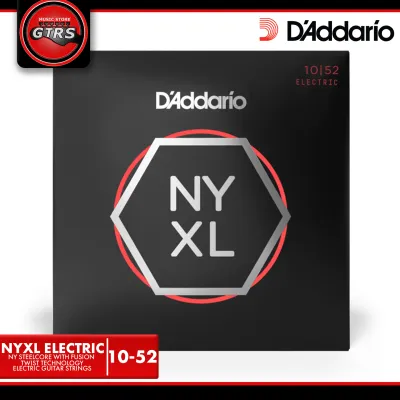
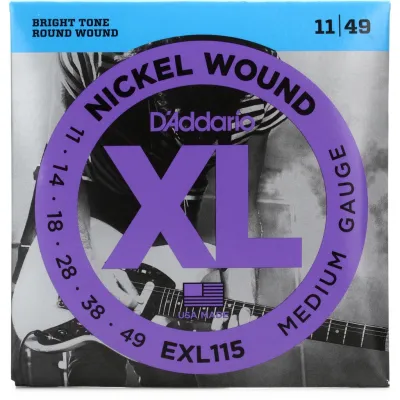
Prices are valid at publication and may change. Please refer to the product page for the latest price.
Extra light (.008–.038) and super light (.009–.042) gauges require minimal finger pressure, making them highly recommended for players who are still building calluses and hand strength. These lighter strings allow you to practice for longer periods without experiencing severe finger fatigue or soreness. They also make techniques like string bending and vibrato much easier to execute, which is highly encouraging during the early stages of learning.
However, lighter strings come with specific trade-offs. Because they are thinner, they have less physical tension, making them more susceptible to accidental breakage if you pick or pluck too aggressively. Additionally, if your guitar’s action—the height of the strings above the fretboard—is set too low, lighter strings can vibrate more widely and cause fret buzz, a metallic rattling sound that interferes with your tone.
Conversely, regular light (.010–.046) and medium (.011–.049 or heavier) gauges offer a thicker, punchier sound with more sustain, but they require significantly more finger strength to play. If you attempt to learn on heavy strings immediately, you may find yourself struggling to press notes cleanly, leading to frustration and poor technique.
Before you purchase a new electric guitar strings full set, check your instrument’s current setup. Guitars are adjusted to handle the tension of a specific string gauge. If you transition from a very light gauge to a much heavier one, the increased tension will pull the guitar neck forward, altering the neck relief and action. Knowing what gauge is currently installed helps you avoid unexpected playability issues after a string change.
Choosing the Right Material and Winding for Your Tone
The metal alloys used to construct electric guitar strings play a primary role in determining both the physical feel under your fingertips and the overall tonal output of your instrument. The most common option you will encounter is nickel-plated steel. This material combines the bright, cutting high frequencies of steel with the warm, smooth characteristics of nickel, making it an incredibly versatile choice for beginners exploring different musical styles from pop to rock.

If you prefer a warmer, rounder, and more vintage-inspired sound, pure nickel strings are an excellent alternative. These strings offer a softer feel and a less aggressive high-end response, which works beautifully for jazz, blues, and classic rock. On the other hand, stainless steel strings are exceptionally bright and highly resistant to corrosion, though they can feel somewhat rougher to the touch and may cause faster wear on your guitar’s frets over time.
In the Philippines, where high relative humidity is a constant factor, protective coatings and treatments are highly valuable features. Coated strings feature an ultra-thin microscopic polymer barrier that shields the metal core and wrap wire from sweat, skin oils, and atmospheric moisture. This barrier prevents the rapid buildup of rust and grime, allowing the strings to retain their bright tone and smooth feel for several times longer than uncoated strings.
While coated string sets carry a higher initial price tag, they significantly reduce the frequency of string changes, saving you time and effort. The coating also helps minimize finger squeak—the sliding noise made when moving your hand along the fretboard—which can make your practice sessions sound much cleaner.
Ultimately, your choice of material should align with your tonal goals and the specific environment in which you practice. If you find yourself practicing in a non-air-conditioned room where humidity is high, prioritizing corrosion resistance through coated nickel-plated steel is often the most practical path to a consistent and enjoyable playing experience.
Building Your First String Shortlist Based on Playing Needs
To find the perfect electric guitar strings full set, you should evaluate your personal physical comfort, your musical preferences, and how often you are willing to maintain your instrument. Rather than relying on generic recommendations, matching your specific playing conditions to the right string characteristics will yield the best results for your learning journey.
If you are a player with sensitive fingertips, smaller hands, or are transitioning from a nylon-string acoustic guitar, your primary goal should be minimizing initial finger pain. For this condition, look for super light sets, specifically those labeled as .009–.042. These strings provide a highly forgiving playing experience, allowing you to focus on proper finger placement, chord transitions, and scale patterns without fighting excessive physical resistance.
If you are drawn to heavier genres of music, such as metal or hard rock, and plan to tune your guitar down below standard tuning (such as Drop D or Eb Standard), lighter strings may feel too loose and floppy. In this scenario, a hybrid set—often labeled as “light top/heavy bottom” (typically .009–.046 or .010–.052)—is highly beneficial. These sets combine thin high strings for easy soloing and bending with thicker low strings that maintain tension and clarity when tuned down, preventing muddy rhythm tones.
For players who want a low-maintenance setup and do not want to change their strings every few weeks, coated or treated string sets are the ideal choice. These options are specifically engineered to withstand the corrosive effects of sweat and tropical humidity. When browsing, look for packaging that explicitly mentions moisture protection, rust prevention, or extended tone life to ensure you are getting a set designed for durability.
Before finalizing your purchase, always verify the exact string count and configuration of your guitar. While the vast majority of beginner electric guitars are standard 6-string models, some modern players start on 7-string or 8-string instruments. Purchasing a standard 6-string set for a 7-string guitar will leave you missing a critical low string, so double-check your instrument’s specifications to ensure perfect compatibility.
Where to Buy Authentic String Sets in the Philippines
Acquiring genuine electric guitar strings is crucial, as counterfeit strings are common in the market and suffer from poor tonal quality, rapid rusting, and frequent breakage. To ensure you are purchasing authentic products, it is highly recommended to visit established physical music stores and authorized brand distributors located in major commercial centers across the Philippines. Buying in person allows you to inspect the packaging for security seals, holographic labels, and print quality, while also giving you access to immediate advice from knowledgeable store staff.
If you prefer the convenience of online shopping, e-commerce platforms and specialized online music retailers offer a wide selection of string sets. When navigating these platforms, you must exercise caution to avoid counterfeit goods. Always prioritize official brand stores or highly rated preferred sellers with a proven track record of positive customer feedback. Read through user reviews carefully, looking for photos of the actual packaging and comments verifying the authenticity and performance of the strings.
When shopping online or in-store, pay close attention to the pricing. If a deal seems too good to be true—such as a multi-pack offered at a fraction of the standard retail price—it is highly likely to be a counterfeit product. Genuine high-quality string sets generally fall within a consistent price range, and paying a realistic price ensures you receive a reliable product that will not snap prematurely or damage your frets.
To manage your budget effectively, consider purchasing multi-packs or bundles once you have identified your preferred gauge and material. Buying strings in packs of three or more typically offers a lower cost per set compared to buying single packs individually. Comparing these bulk prices in ₱ can lead to significant long-term savings, ensuring you always have a fresh spare set on hand when a string inevitably breaks during a practice session.
Maintaining Your Strings and Knowing When to Replace Them
Proper maintenance is the key to extending the lifespan of your electric guitar strings full set and preserving your instrument’s playability. Over time, sweat, skin oils, dust, and environmental humidity accumulate on the surface of the strings, leading to oxidation and physical degradation. Recognizing the signs of worn-out strings allows you to replace them before they negatively impact your learning progress.
Visual and tactile indicators are the most reliable ways to determine if your strings need changing. Fresh strings have a bright, reflective silver appearance and a smooth, slick texture. As they wear out, they will begin to look dull, dark, or discolored, often developing visible spots of rust or corrosion along the underside where they contact the frets. Tactilely, worn strings will feel rough, gritty, or sticky, which increases friction and makes sliding your fingers across the fretboard uncomfortable.
Aesthetically and tonally, old strings lose their brightness and sustain, sounding dead, muddy, or hollow. You may also notice persistent intonation issues, where the guitar struggles to stay in tune or notes sound out of tune even after you have carefully tuned the open strings. If you experience any of these symptoms, it is time to install a fresh full set.
To maximize the life of your strings, establish a simple, low-risk cleaning routine after every playing session. Keep a clean, dry microfiber cloth in your guitar case and use it to thoroughly wipe down each string after you finish practicing. Pinch the cloth around each individual string and slide it up and down the neck to remove accumulated sweat and finger oils, preventing them from sitting on the metal and causing rust.
Additionally, proper storage of your spare string sets is vital in a tropical climate. Keep your unopened spare sets in a cool, dry environment away from direct sunlight and high humidity. Storing them inside a sealed plastic bag with a small silica gel packet is an excellent, low-cost way to prevent premature oxidation, ensuring that your spare strings remain in pristine condition until you are ready to install them.
Frequently Asked Questions (FAQ)
Do I need to adjust my guitar setup after changing string gauges?
Whether you need to adjust your guitar’s setup depends entirely on how drastic of a change you make to the string gauge. If you are replacing your old strings with a fresh set of the exact same gauge (for example, replacing a worn .009–.042 set with a new .009–.042 set), no adjustments are necessary. The physical tension exerted on the neck remains identical, meaning your action, neck relief, and intonation will stay perfectly balanced.
However, if you decide to switch to a significantly heavier or lighter gauge, the change in overall string tension will affect the physical structure of the guitar. Moving to a heavier gauge increases tension, which can pull the neck forward and cause the action to become too high. Moving to a lighter gauge reduces tension, which may cause the neck to bow backward, resulting in severe fret buzz. In these cases, adjustments to the truss rod, bridge height, and intonation saddles will be required to maintain optimal playability. If you are unsure or uncomfortable making these structural adjustments yourself, it is highly recommended to consult a qualified guitar technician at a local music shop to avoid accidentally damaging your instrument.
Can I mix and match single strings instead of buying a full set?
While it is technically possible to purchase individual single strings to create a custom configuration, doing so is generally impractical and inefficient for beginners. Buying single strings is typically more expensive per string than purchasing a pre-packaged electric guitar strings full set. It also requires a deeper understanding of string tension dynamics and gauge relationships, which can be overwhelming when you are just starting to learn the instrument.
Pre-packaged full sets are carefully engineered by manufacturers to ensure balanced tension across the entire fretboard. This balanced tension provides a consistent physical feel from the lowest string to the highest string, making chord shapes and scale patterns feel uniform under your fingers. It also ensures a balanced overall tone, preventing any single string from sounding excessively loud, quiet, bright, or muddy compared to the others. For these reasons, beginners should stick to standard, pre-packaged full sets to ensure a reliable and predictable learning experience.
Community discussion
Share your experience or ask a question. Comments are reviewed before publication.