
Starting your musical journey as a drummer is an exciting milestone, but for many aspiring musicians in the Philippines, setting up a traditional acoustic drum kit is highly impractical. The high volume of acoustic drums can quickly strain relationships with family members and neighbors, especially in densely populated urban areas. Fortunately, a modern electric drums set offers a versatile, compact, and quiet alternative that allows you to practice at any hour of the day or night without disturbing those around you.
Choosing your first electronic kit requires balancing playability, space constraints, and budget to ensure you invest in an instrument that supports your learning journey for years to come. By focusing on key hardware specifications, local warranty support, and practical noise-reduction strategies, you can find a kit that fits seamlessly into your home and lifestyle. This guide will walk you through the essential factors to consider before making your purchase.
Key Features to Look for in a Beginner Electric Drum Set
When evaluating different electronic drum kits, the material of the drum pads is one of the most critical factors influencing your playing experience. Beginner kits generally feature either rubber pads or mesh heads. Mesh heads are made of a woven fabric that closely mimics the rebound and tension of a traditional acoustic drum head. They allow you to adjust the tension using a standard drum key, helping you develop proper stick technique and muscle memory. Rubber pads, while highly durable and budget-friendly, offer a uniform, stiff bounce that can cause wrist fatigue during long practice sessions and do not translate as well to acoustic drums.
Products mentioned in this guide
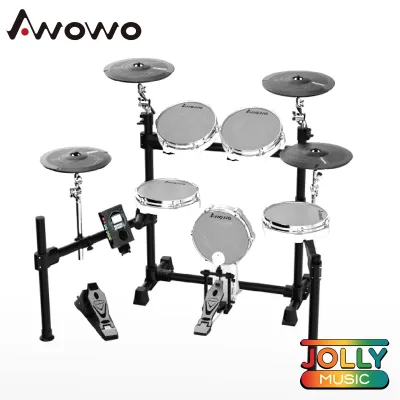
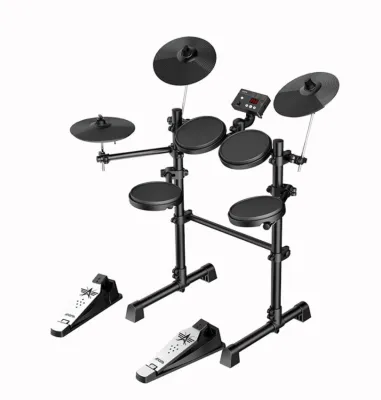
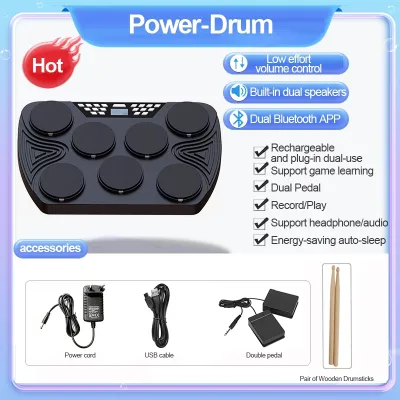
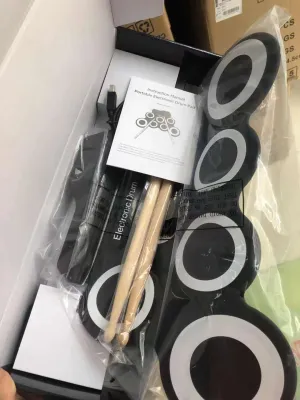
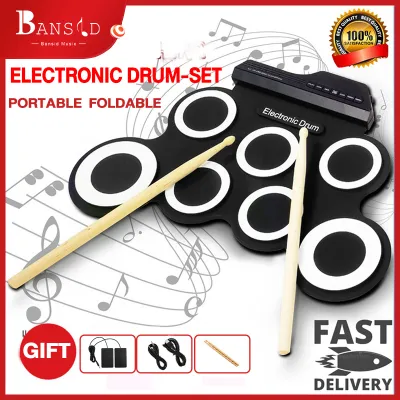
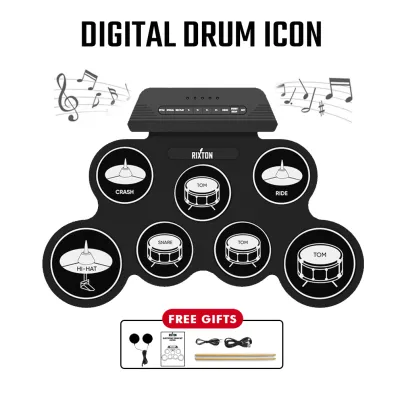

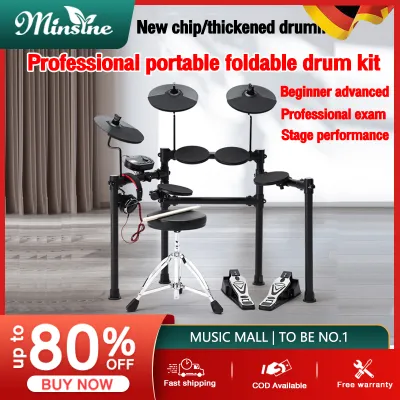
Prices are valid at publication and may change. Please refer to the product page for the latest price.
The drum module, often referred to as the “brain” of the kit, is another vital component to examine. For a beginner, the quality of the built-in coaching tools is far more important than having thousands of obscure sound samples. Look for a module that includes a visual metronome, tempo-training exercises, and quiet-count functions to help you build a steady inner clock. Pre-loaded play-along tracks in various musical genres are also incredibly helpful for practicing timing and improvisation in a fun, engaging way.
Connectivity options determine how well your drum set integrates with modern learning tools. Ensure the module features a USB-MIDI port, which allows you to connect the kit to a computer, tablet, or smartphone. This connection lets you use interactive drumming apps, educational software, and digital audio workstations for recording. Additionally, a standard 3.5mm auxiliary input (AUX IN) is essential for plugging in your phone to play along with your favorite songs, while a dedicated headphone jack ensures your practice sessions remain completely private.
Managing Space and Noise in Philippine Homes
Residential spaces in the Philippines vary widely, from spacious suburban houses to compact studio condominiums in metropolitan centers. Before purchasing an electric drums set, it is vital to measure your designated practice area to ensure a comfortable fit. A standard five-piece electronic kit typically requires a physical footprint of about 1.2 meters by 1.2 meters when fully assembled. If floor space is limited, prioritize kits that feature lightweight, foldable racks. These designs allow you to collapse the frame and slide the kit into a closet or against a wall when it is not in use.

Another major factor in managing noise is the type of kick pedal mechanism your kit uses. Traditional kick drum towers utilize a real bass drum pedal with a physical beater striking a vertical pad. While this provides the most realistic pedal feel, the physical impact of the beater creates a low-frequency vibration that easily travels through concrete floors and walls. For tight living spaces or upper-floor apartments, a beater-less controller pedal is a much quieter alternative, as it relies entirely on an internal spring mechanism to trigger the bass drum sound.
Even with quiet mesh heads and beater-less pedals, the physical striking of the pads still produces acoustic noise and structural vibrations. To prevent complaints from neighbors or family members, consider placing your drum rack on a multi-layered isolation platform. A simple and affordable DIY solution involves laying down interlocking EVA foam tiles—commonly used for home gyms—and covering them with a heavy carpet or rug. This setup helps absorb the downward impact of your pedals and rack before the vibrations can travel through the building’s structure.
Checking Warranty and Local After-Sales Support
Purchasing an electronic drum kit is a significant financial investment, making local after-sales support a critical consideration. Electronic instruments contain sensitive sensors, trigger plates, and digital processors that can occasionally malfunction over time. To protect your investment, always purchase your kit from authorized local distributors or official brand stores in the Philippines. Buying from unauthorized parallel importers might save you a small amount upfront, but it often leaves you without a valid warranty if a component fails.
A standard manufacturer’s warranty for entry-level electronic drums typically covers the drum module and trigger pads for one year against manufacturing defects. However, these warranties generally exclude normal wear and tear, damage caused by using incorrect drumsticks, or environmental damage. Given the high humidity levels in the tropical Philippine climate, electronic components are susceptible to moisture accumulation and corrosion. Keeping your drums in a well-ventilated room and wiping them down after intense practice sessions can help prevent these issues.
Before finalizing your purchase, ask the retailer about the availability of individual replacement parts. Electronic drum pads, cymbal triggers, and connection cables are subject to constant physical impact and may eventually need replacement. Confirming that the local distributor stocks common spare parts—such as replacement trigger cables, cymbal arms, and mesh heads—will save you from lengthy shipping delays and high shipping fees if you ever need to repair or service your kit.
Planning Your Budget and Future Upgrade Path
Setting a realistic budget is an essential step in your decision-making process. In the Philippine market, entry-level electric drum sets generally fall into two distinct price tiers. The budget tier, ranging from approximately ₱15,000 to ₱25,000, typically offers compact kits with rubber tom pads, a basic mesh snare pad, and a simplified drum module. These kits are excellent for absolute beginners who want to test their interest without a heavy financial commitment. The mid-range beginner tier, spanning from ₱25,000 to ₱45,000, introduces full mesh heads on all drums, larger dual-zone cymbals, sturdier rack systems, and modules with advanced coaching features.
When choosing a kit, consider its long-term upgrade path so you do not outgrow the instrument too quickly. As your drumming skills progress, you may want to add a second crash cymbal or an extra tom pad to play more complex drum charts. Check the back panel of the drum module to see if it features extra trigger input jacks, which are usually labeled for expansion. Investing in a module that supports expansion saves you from having to replace the entire brain of the kit when you are ready to grow your setup.
If you are browsing online marketplaces to compare prices, always verify the seller’s credentials to avoid counterfeit products or refurbished units sold as new. Look for official mall badges, read verified customer reviews that specifically mention packaging security, and be wary of listings with prices significantly lower than the market average. Whenever possible, purchase directly from the online storefront of an established local music retailer to ensure you receive a genuine product with full warranty coverage.
In-Store Testing and Pre-Purchase Checklist
Visiting a physical music store for a hands-on test is highly recommended before making your final decision. This allows you to evaluate the physical build quality and playability of the kit firsthand. Begin by testing the pad sensitivity and dynamic range. Strike the snare pad very softly, then gradually increase your force to ensure the module accurately translates these volume changes into realistic sound variations. Pay close attention to latency; when you strike a pad, the sound should register in your headphones instantaneously, as any noticeable delay will disrupt your timing.
Next, inspect the physical hardware and rack stability. Gently shake the rack to assess its sturdiness; a flimsy rack will wobble during intense practice sessions, causing pads to shift out of position. Tighten the hardware joints and plastic clamps to ensure they hold securely without slipping. You should also examine the cable harness to ensure the wires are neatly routed and labeled, which simplifies the setup and teardown process.
Finally, review the pre-purchase checklist to confirm what accessories are included in the box. Many manufacturers package only the drum pads, rack, and module. You will likely need to purchase a drum throne, a pair of drumsticks, and a quality pair of headphones separately. Factoring these essential accessories into your initial budget prevents unexpected expenses on delivery day and ensures you can start playing the moment your new kit is set up at home.
Frequently Asked Questions (FAQ)
Do I need to buy a separate amplifier for my electric drum set?
You do not need a separate amplifier if you plan to practice privately using headphones. A good pair of closed-back headphones is highly recommended, as they block out the physical tapping sound of your sticks on the pads. However, if you want to perform for others or practice without headphones, you will need an external speaker. Standard guitar amplifiers are not designed to handle the wide frequency range of electronic drums and can easily blow out. Instead, look for a dedicated electronic drum monitor or an active personal PA speaker that can handle deep bass drum frequencies and crisp cymbal highs.
Can I use an electric drum set with online drum lessons and apps?
Yes, most modern entry-level electronic drum modules can connect to tablets, smartphones, and computers for interactive learning. You can connect the module using a standard USB-MIDI cable or via Bluetooth MIDI if the module supports it. Once connected, you can use popular educational apps that visualizes drum notation and tracks your accuracy in real time. When using third-party software on a computer, ensure your audio settings are optimized to minimize latency, which is the slight delay between striking a pad and hearing the software’s sound output.
How do I maintain the mesh heads on my electronic drums?
Maintaining mesh heads requires simple, regular care to prolong their lifespan. Always use a dry, lint-free microfiber cloth to wipe away dust and wood shavings after playing. Avoid using wooden drumsticks with chipped or damaged tips, as the rough edges can snag and tear the delicate mesh fibers; using nylon-tipped sticks is highly recommended for electronic kits. Additionally, check the tension of the mesh heads periodically using a standard drum key. Keeping the heads evenly tensioned prevents them from sagging, maintains a realistic rebound, and ensures the internal triggers register your strikes accurately.
Community discussion
Share your experience or ask a question. Comments are reviewed before publication.