
Buying your first handpan is an exciting step into the world of intuitive percussion, but the sheer variety of scales, materials, and configurations can feel overwhelming. To make the right choice, you must focus on how the instrument feels in your hands, how its sound resonates in your space, and how its physical properties withstand your local climate. A well-chosen handpan should offer an immediate, harmonious connection, allowing you to play beautiful melodies from day one without worrying about complex music theory.
Understanding the key differences in scale types, steel compositions, and manufacturing quality allows you to confidently navigate the market and find an instrument that brings long-term musical satisfaction.
Choosing the Right Scale and Note Layout for Your Goals
The musical scale of a handpan determines its entire personality and dictates the emotional landscape of your playing. Unlike a piano or guitar, where you can play any note in Western music, a handpan is tuned to a single, specific scale. This means every note on the instrument is designed to sound harmonious when played together, making it highly forgiving for beginners. For first-time players, selecting the right scale is the most critical decision, as it defines the mood of your daily practice and improvisation.
Products mentioned in this guide


Prices are valid at publication and may change. Please refer to the product page for the latest price.
Most handpans are categorized into major, minor, or exotic scales, each evoking a distinct emotional response. Major scales, such as the Sabye or Pygmy major variations, produce a bright, uplifting, and joyful sound that feels peaceful and optimistic. Minor scales, such as the popular Kurd, Amara, or Integral scales, offer a more melancholic, mysterious, and deeply meditative quality. If you are drawn to cinematic, introspective, or spiritual music, a minor scale is often the most satisfying choice for a first instrument.
Exotic or regional scales, such as the Hijaz or various Middle Eastern and Asian-inspired tunings, introduce unique intervals that sound highly evocative and culturally distinct. While these scales are incredibly beautiful, they can sometimes feel restrictive for beginners because their strong cultural character can limit the variety of melodies you can create. For your first instrument, starting with a versatile minor or major scale is generally recommended, as it provides a more flexible canvas for open-ended exploration.
At the center of every handpan is a raised or dome-shaped note known as the “Ding.” This central note acts as the root or bass note of the instrument, anchoring the entire scale and dictating its overall tonality. When you strike the Ding, it produces a deep, grounding resonance that establishes the key of the handpan. The surrounding notes, arranged in a zig-zag pattern from lowest to highest pitch, relate directly back to this central note, allowing you to create rhythmic and melodic patterns that naturally resolve back to the Ding.
When looking at note configurations, you will typically choose between standard 8-note or 9-note layouts and extended 10-to-12-note configurations. An 8-note or 9-note handpan features the central Ding and seven or eight notes arranged around the outer ring. This layout is highly recommended for beginners because the spacing between the notes is generous, giving your hands plenty of room to strike the tone fields cleanly without accidentally hitting adjacent notes.
Extended handpans, which feature 10, 11, or 12 notes on the top shell, or even additional notes on the bottom shell, offer a much wider melodic range. However, this extended range comes with a physical trade-off. To fit more notes onto the same surface area, the tone fields must be smaller and placed closer together. For a beginner, this tighter spacing requires much greater physical precision and can lead to accidental dampening or striking of neighboring notes, which can disrupt the flow of your playing.
For an intuitive and stress-free learning curve, beginners should prioritize harmonious, forgiving scales that naturally prevent dissonant note clashes. A standard 9-note Kurd scale in D minor (D Kurd) is widely considered a highly recommended starting point for first-time buyers. It offers a complete diatonic scale that is incredibly easy to navigate, highly intuitive, and supported by a vast library of online tutorials and sheet music, ensuring you never run out of learning resources.
Evaluating Steel Types, Craftsmanship, and Tuning Stability
The material used to construct a handpan directly influences its acoustic properties, sustain, and resistance to environmental factors. This choice is particularly crucial if you live in a warm, humid tropical environment, where moisture in the air can quickly degrade certain metals. The three primary materials used in handpan manufacturing are nitrided steel, stainless steel, and raw or untreated steel, each offering a distinct sonic profile and maintenance profile.

Nitrided steel is traditional carbon steel that has undergone a chemical heat treatment to harden the surface and improve rust resistance. Sonically, nitrided handpans are celebrated for their warm, ceramic, and grounded tone, with a controlled sustain that makes them excellent for fast, percussive playing styles. However, nitrided steel still requires strict rust prevention measures, including regular oiling and wiping down after every session, as it remains susceptible to corrosion in high-humidity regions.
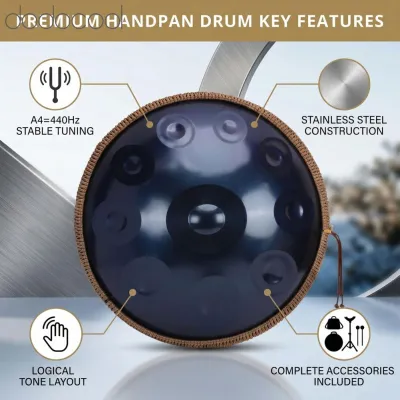
Stainless steel has become incredibly popular among modern players due to its bright, singing tone, exceptionally long sustain, and high resistance to rust. The long sustain creates a lush, ambient soundscape where notes blend beautifully, making it ideal for slow, meditative, and therapeutic playing. For players living in tropical climates, stainless steel is often the most practical choice, as it withstands humidity and sweat far better than nitrided or raw steel, requiring significantly less daily maintenance.
Raw steel, or untreated carbon steel, is occasionally used by budget makers or for specific experimental designs. While it can produce a very bright and raw acoustic tone, it is highly susceptible to corrosion and can begin to rust within days if exposed to humidity or salty sea air. Because of the extreme maintenance required to keep raw steel pristine, beginners should generally avoid untreated instruments and opt for high-quality stainless or nitrided steel instead.
When evaluating a handpan in person or via video, there are several visual and tactile craftsmanship checks you should perform. Examine the seam where the top and bottom shells are joined; it should be precisely aligned, smooth, and free of excess glue residue or rough edges. Run your fingers over the tone fields and the central Ding to check for consistency in the dimples and the smoothness of the metal, as any sharp edges or rough transitions can affect playability.
Tuning stability is the hallmark of a well-crafted handpan, as the instrument must hold its pitch under the physical impact of playing and temperature fluctuations. Before purchasing, always inquire about the maker’s or retailer’s retuning policies and warranties. Reputable makers typically offer a warranty on tuning stability and provide retuning services, sometimes for free or for a nominal fee, ensuring your instrument can be restored to its original pitch if it drifts over time.
There are several critical red flags in build quality that indicate poor manufacturing or structural stress. Listen closely for any metallic buzzing, rattling, or high-pitched “ghost notes” when you strike a tone field, as these often point to internal structural cracks, poor gluing, or improper tensioning of the steel. Additionally, while hand-hammered instruments will naturally feature subtle cosmetic variations, excessively deep, uneven, or chaotic hammer marks can indicate a lack of control during the tuning process, which can compromise the instrument’s long-term stability.
Selecting the Right Size and Ergonomics for Comfortable Play
The physical dimensions and weight of a handpan play a significant role in how comfortable the instrument is to play, transport, and store. Because a handpan is traditionally played while resting on your lap, choosing a size that matches your body type and physical strength is essential for preventing fatigue and maintaining proper posture during long practice sessions.
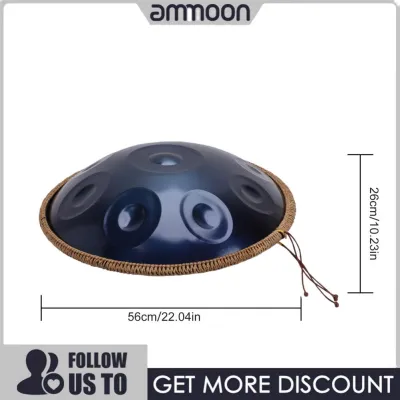
Standard handpans typically feature a diameter of approximately 53 centimeters (21 inches) and a depth of 25 to 30 centimeters. This standard size is widely preferred because it provides the optimal surface area for acoustic resonance, allowing the lower notes to develop a deep, full-bodied bass response and excellent volume projection. For most adults, a 53cm handpan fits comfortably across the thighs, providing a stable base that does not slip or slide during active playing.
In contrast, smaller travel-sized or mini handpans, which usually range from 45 to 50 centimeters in diameter, offer enhanced portability and are easier for younger players or individuals with smaller frames to manage. However, this reduction in size comes with acoustic compromises. Smaller shells have less internal air volume, which can result in a brighter, thinner sound with less bass resonance and a shorter sustain. Unless portability is your absolute highest priority, starting with a standard-sized instrument will yield a more satisfying acoustic experience.
Weight is another crucial consideration, especially if you plan to transport your handpan to outdoor gatherings, yoga studios, or community events. A standard steel handpan typically weighs between 4 to 5.5 kilograms. While this may not sound heavy, holding this weight on your lap for an hour-long practice session can put pressure on your legs and lower back. If you plan to travel frequently, look for lightweight models or invest in an ergonomic playing stand to relieve physical strain.
The ergonomic layout of the notes is just as important as the overall size of the shell. When sitting with the handpan on your lap, your arms should be able to reach the furthest tone fields, including the highest notes at the top of the ring, without straining your shoulders or overextending your wrists. If you have a shorter arm reach, a standard 8-note or 9-note layout is highly beneficial, as the notes are spaced in a way that allows your hands to move naturally and fluidly across the surface without requiring awkward body adjustments.
Building Your Shortlist: Finding Reputable Makers and Retailers
Because a high-quality handpan is a significant financial investment, building a secure shortlist of reputable makers and authorized retailers is essential to protect yourself from counterfeit products and poorly tuned instruments. The handpan market has grown rapidly, and while this has made the instrument more accessible, it has also led to an influx of low-quality, mass-produced alternatives that can leave buyers disappointed.
When sourcing your instrument, you will generally choose between buying directly from an independent, artisan handpan maker or purchasing through an authorized online music store or specialized e-commerce platform. Buying directly from an independent maker is highly recommended, as it allows you to establish a relationship with the craftsman who built your instrument. These makers take immense pride in their work, often signing and numbering each shell, and are usually the best resource for future retuning and maintenance.
If you choose to buy through an online music store or specialized e-commerce platform, ensure they are authorized dealers for recognized handpan brands. Always verify the seller’s credibility by checking customer reviews, looking for active community discussions on handpan forums, and confirming that they have a physical address and clear contact information. Avoid buying from generic, unspecialized online marketplaces that offer handpans at suspiciously low prices, as these are almost always mass-produced, machine-stamped counterfeits.
These mass-produced, machine-stamped instruments are a major risk for beginners. While they may look like authentic handpans in photos, they are often made from cheap, thin steel that has not been properly tempered or tuned. These instruments lack the complex harmonic resonance of a handcrafted handpan, often sounding metallic, dead, or completely out of tune right out of the box. Because they are not built to withstand the tension of the steel, they can lose their tuning permanently within a few weeks of light play.
To verify the authenticity and acoustic quality of a handpan before purchasing, always request an unedited video sound sample of the exact instrument you are buying. A reputable maker or retailer will gladly provide a high-quality video of the handpan being played, showing each note struck individually and in combination. Do not rely on stock photos, generic promotional videos, or highly edited audio tracks, as these can easily mask tuning flaws, unwanted overtones, or structural buzzing.
Finally, carefully evaluate the seller’s return policies, shipping insurance, and price tiers to ensure your investment is fully protected. A quality beginner handpan typically ranges from ₱45,000 to ₱90,000, depending on the material, note count, and maker’s reputation. Ensure that the shipping method includes full insurance for fragile musical instruments, and confirm that the seller offers a clear return window if the instrument arrives damaged or does not match the acoustic quality demonstrated in the video sample.
Frequently Asked Questions (FAQ)
Do I need a dedicated stand to play a handpan?
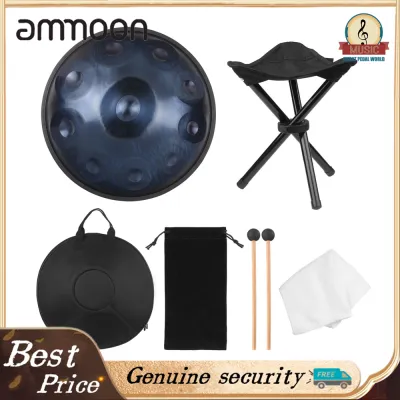
Traditionally, handpans are designed to be played directly on your lap while seated comfortably on a chair or cross-legged on the floor. This direct physical contact allows you to feel the vibrations of the instrument, creating an intimate and immersive playing experience. However, a dedicated floor stand can be highly beneficial if you prefer to play while standing, want to improve sound projection in a performance setting, or experience back or leg strain during long practice sessions. If you choose to use a stand, ensure it features soft, padded contact points that do not dampen the resonance of the bottom shell.
How often does a handpan require professional retuning?
The frequency of professional retuning depends heavily on the quality of the steel, the manufacturing process, and your personal playing style. A well-crafted handpan played with a gentle, relaxed touch can easily stay in a stable tune for two to five years or even longer. However, if the instrument is played aggressively with hard strikes, exposed to extreme temperature changes, or dropped, it may require retuning much sooner. Always consult the manufacturer’s specific care guidelines and avoid attempting any do-it-yourself tuning, as the complex tension of the steel requires specialized tools and expertise to adjust without causing permanent damage.
What are the airline rules for traveling with a handpan?
Most airlines allow handpans to be brought on board as carry-on luggage, provided the instrument fits within the overhead bin dimensions, though policies can vary significantly between carriers. Because a handpan is a delicate and valuable instrument, you should never check it as standard baggage without a heavy-duty, flight-ready hard case. When traveling by air, always use a rigid, impact-resistant, and TSA-approved protective case to shield the steel from pressure changes and physical impacts. It is highly recommended to contact your airline prior to booking to confirm their specific musical instrument policies and carry-on size limits.
Community discussion
Share your experience or ask a question. Comments are reviewed before publication.